Colour grading & photo post · Riga, Latvia · Taking work

Maria Pranka

Every shoot needs post. I do the part that decides how it feels - and carry that decision across every frame in the set.

What I do

  • Colour grading and look development
  • Exposure and white balance, frame by frame
  • Batch consistency across a full set
  • Black and white conversion, selective colour
  • Clean-up - objects, props, distractions
  • Crop, straighten and export to spec

Best in

  • Whole sets, not single frames
  • Difficult and mixed light - dusk, snow, storm, sodium
  • Outdoor and location work, where nothing can be reshot
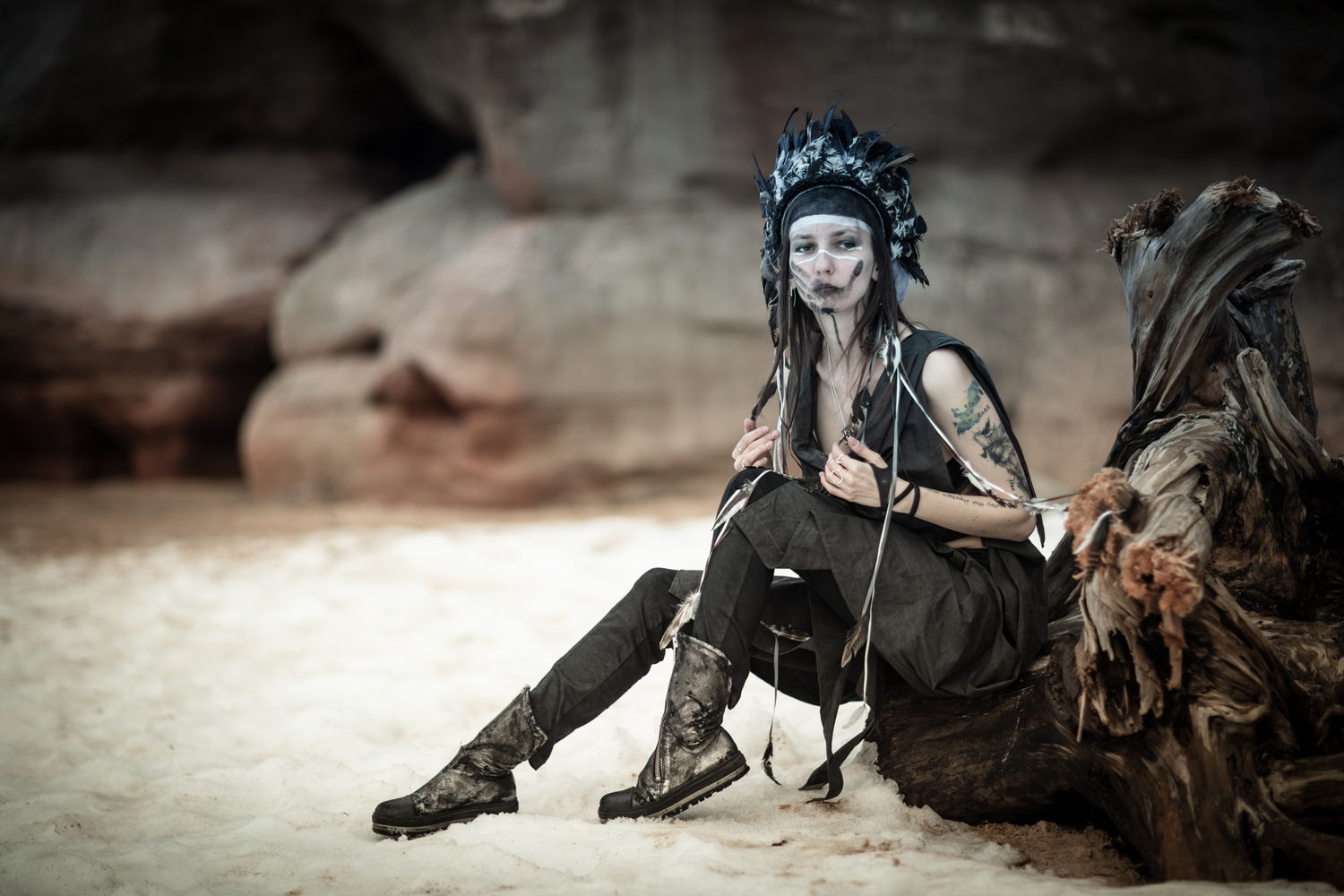
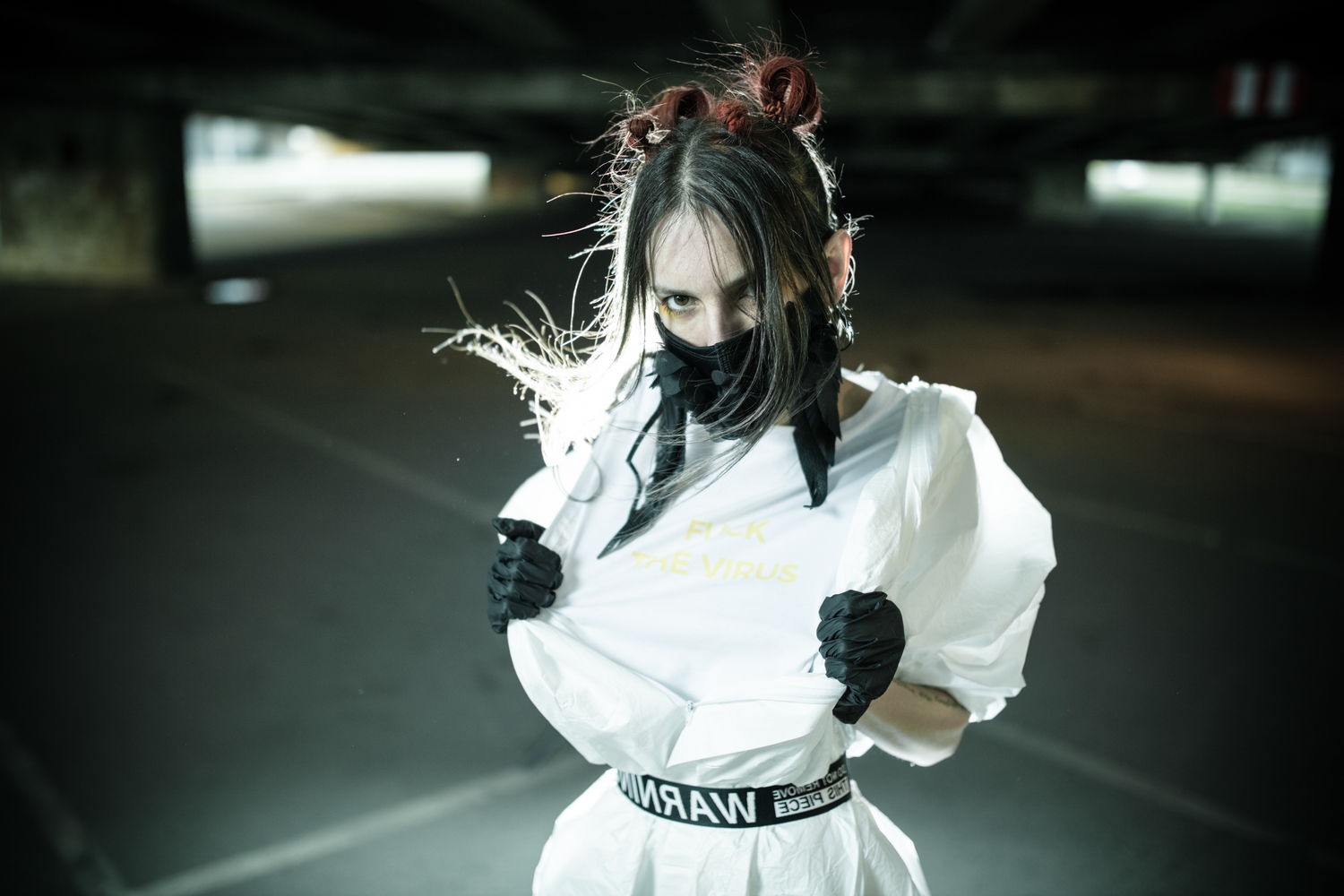
  • Fashion and conceptual series with a look to hold

What you get

  • RAW or JPEG in, any camera
  • sRGB or Adobe RGB · JPEG, TIFF, DNG
  • The Lightroom preset built for your set, yours to keep
  • Two rounds of changes included
§01

One look across a whole set

This is the part that is worth paying for. A single frame graded well is a nice picture; forty frames graded identically is a deliverable - and it is where most cheap editing falls apart, because running one preset over a take is not the same thing as matching it. Three projects below. Each opens with an uncropped frame on a slider, so the grade is the only thing that changes, then frames where the recrop is part of the work, then the contact sheet.

Case one

Narrative series: flat daylight in, one night out

A ten-frame story shot at midday and delivered as a single nocturnal scene. The look is built once on a reference frame, then argued with image by image - green pulled almost out, exposure taken down, every figure dodged back up by hand so nobody disappears into the grade.
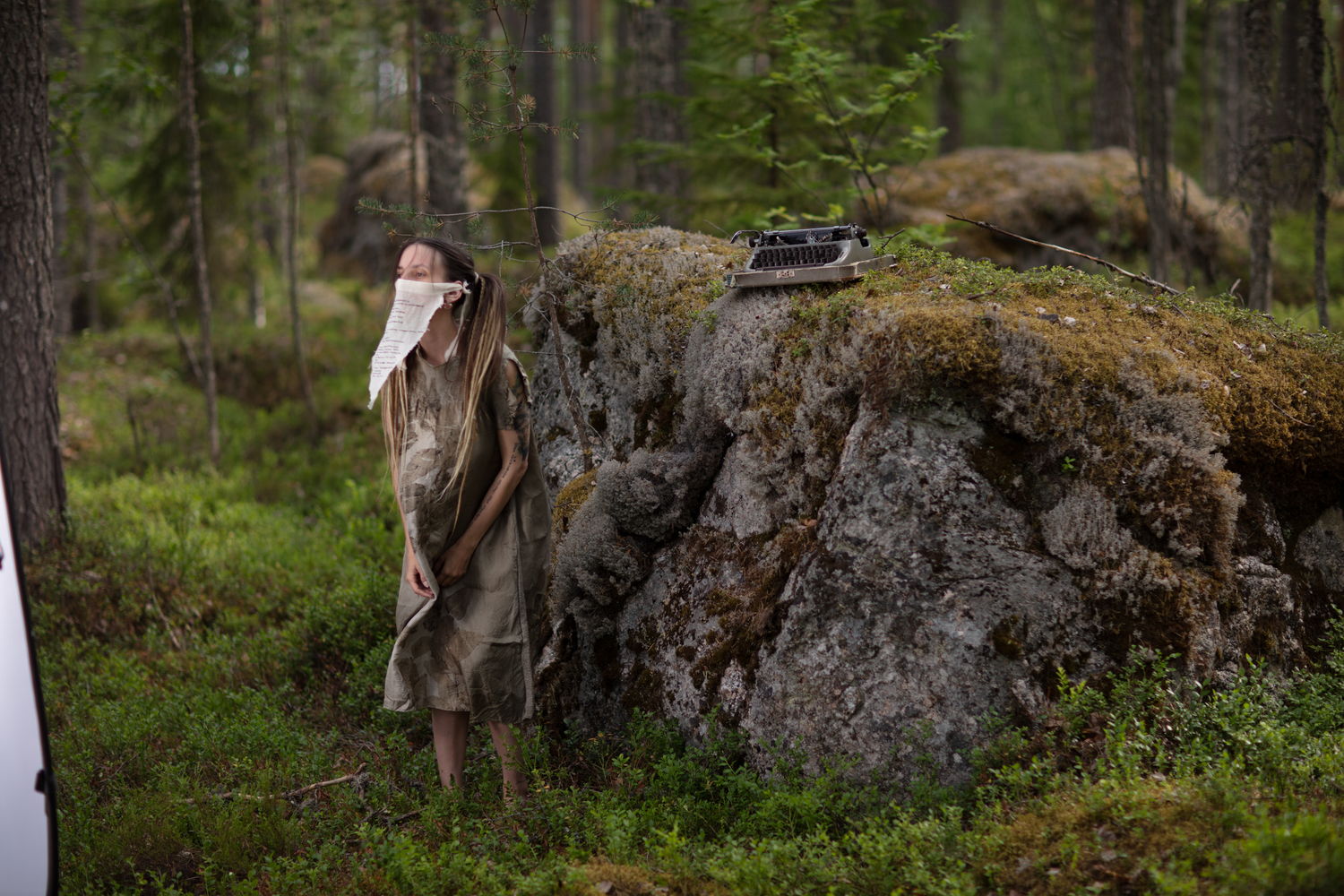
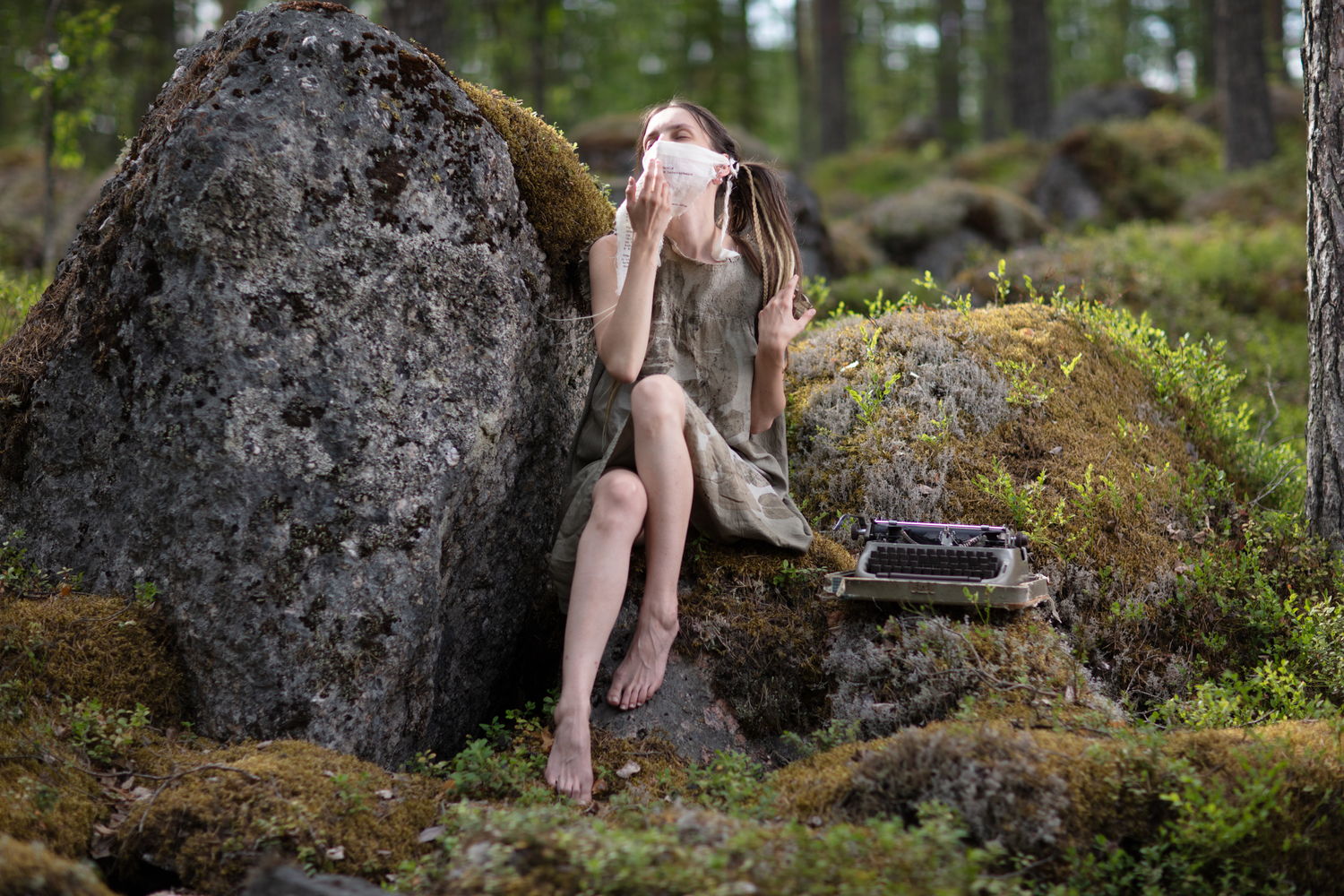
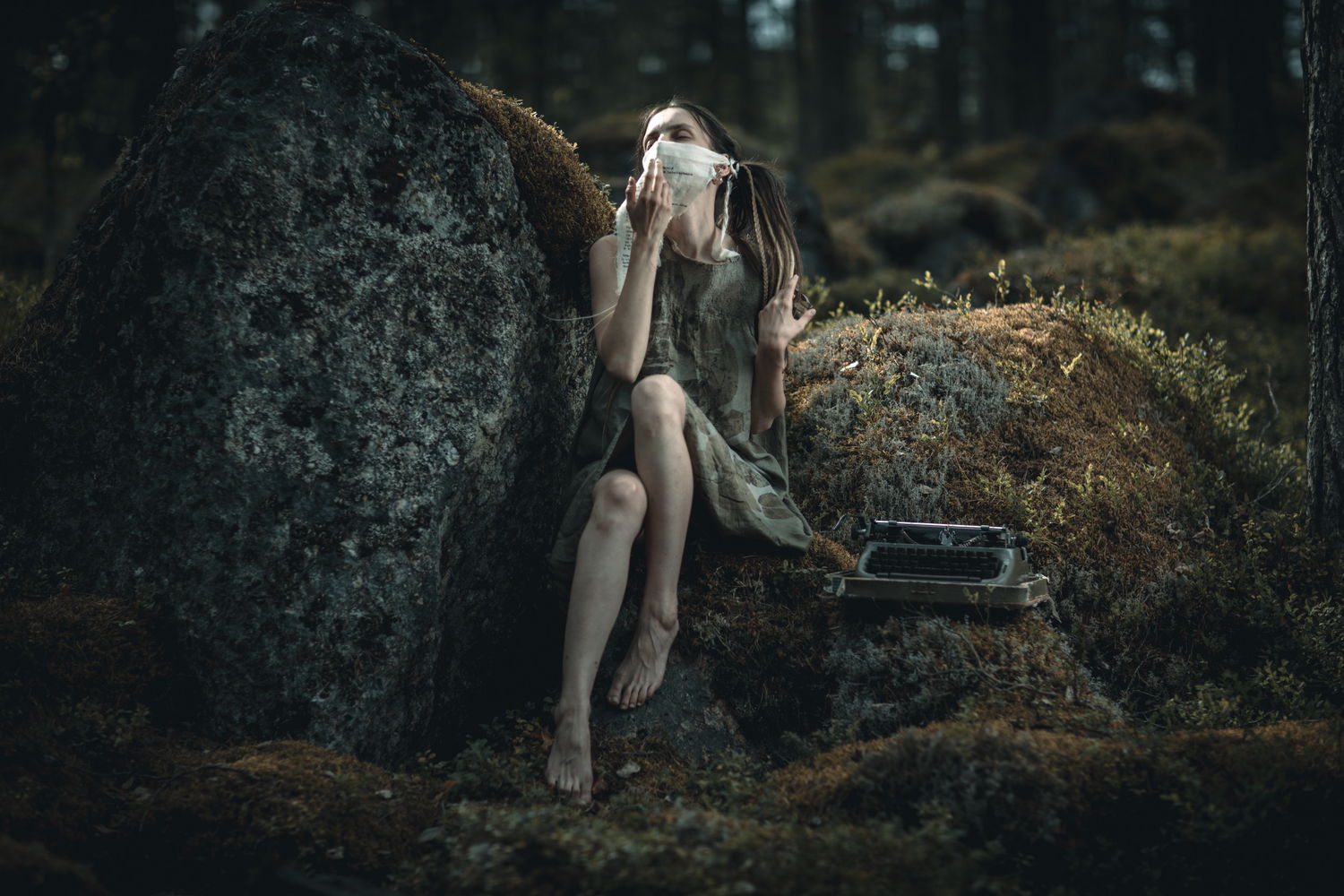
Boulder and typewriter, same frame, before
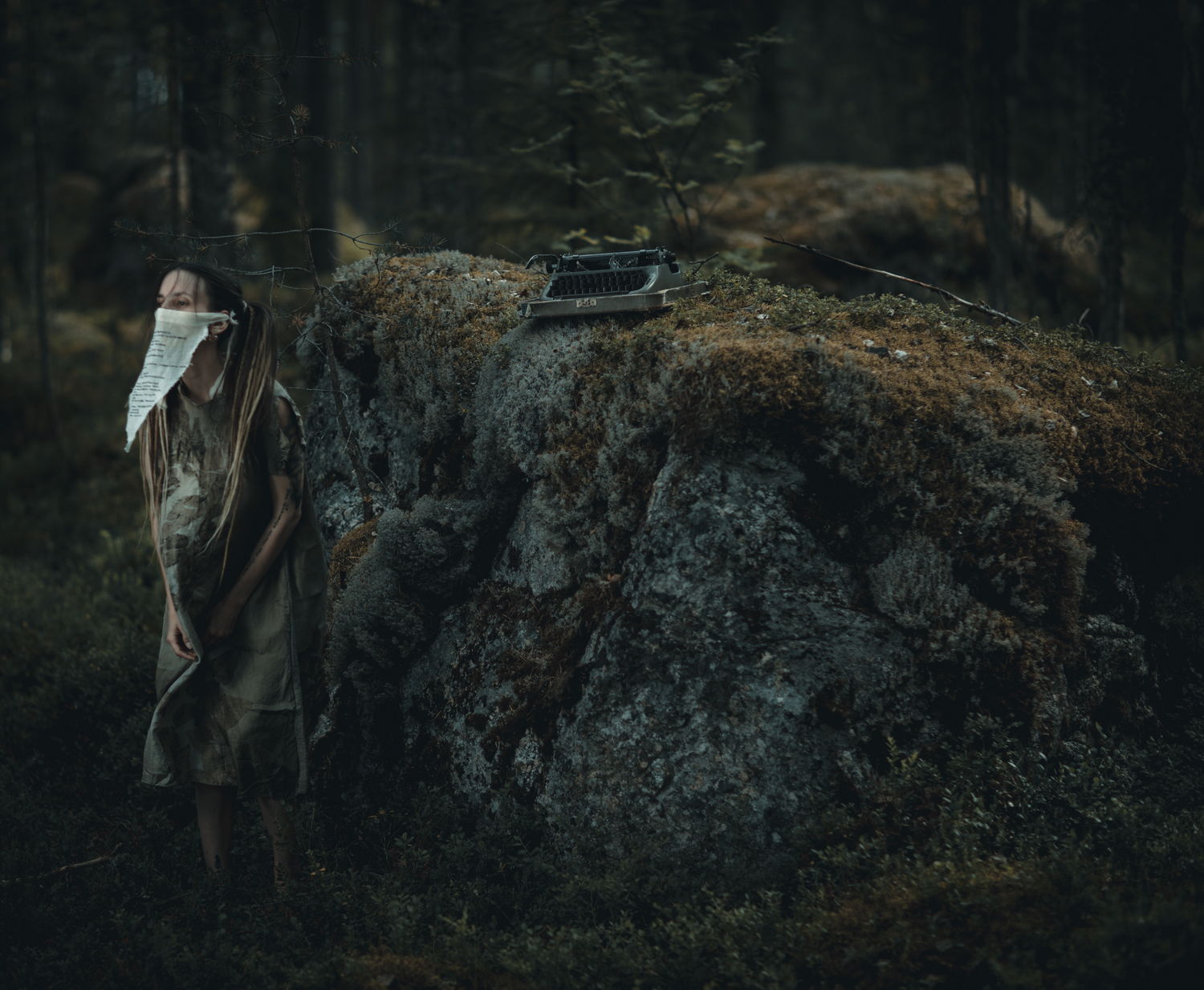
Boulder and typewriter, same frame, after

Boulder and typewriter, same frame

The reference frame the rest of the set was built from, and the clearest look at what the grade does on its own: summer green pulled almost entirely out, the whole scene taken down to dusk, and the figure and the paper held up so they survive it.

Measured
  • no crop
  • b* +9.8 → +1.4
  • chroma −64%
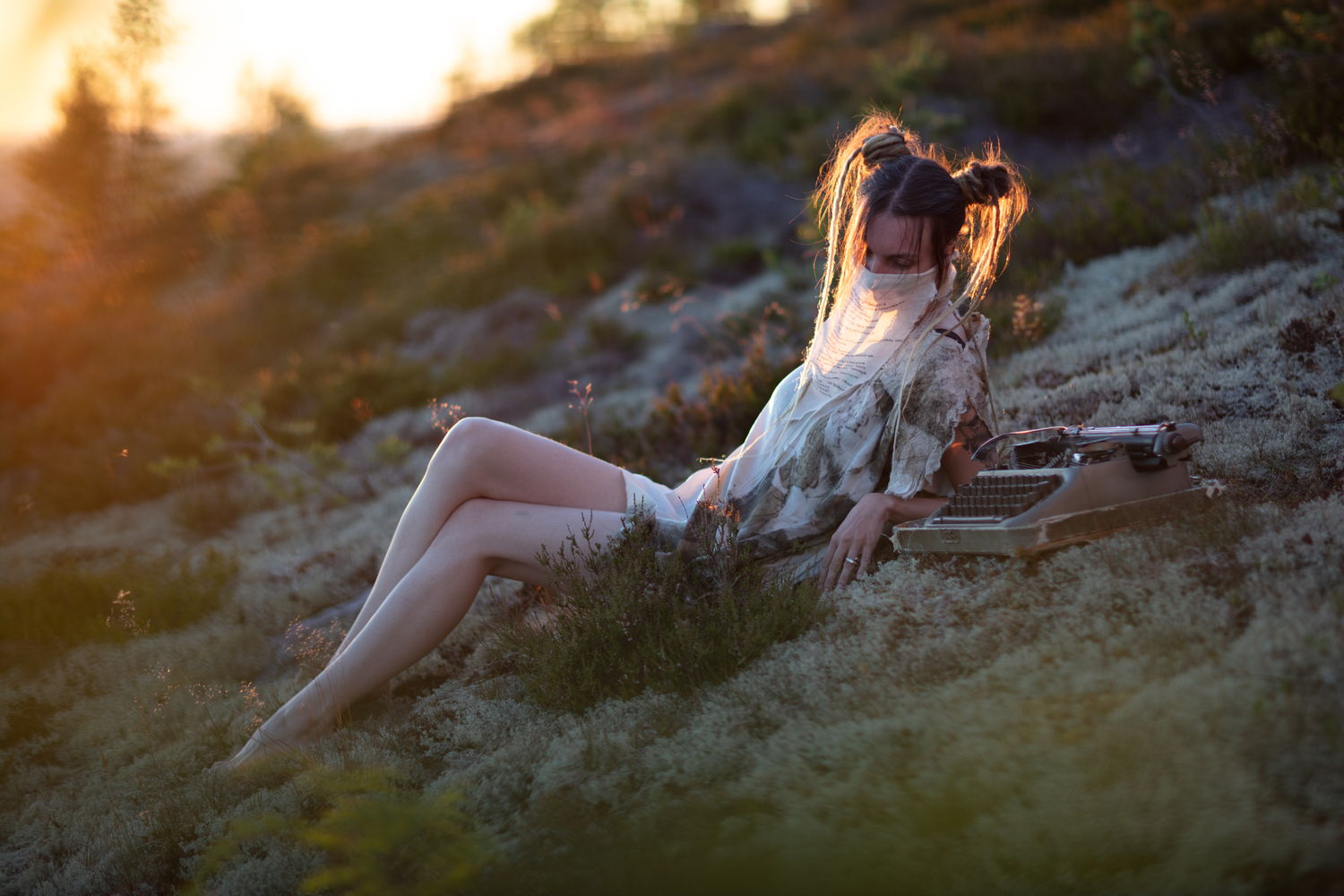
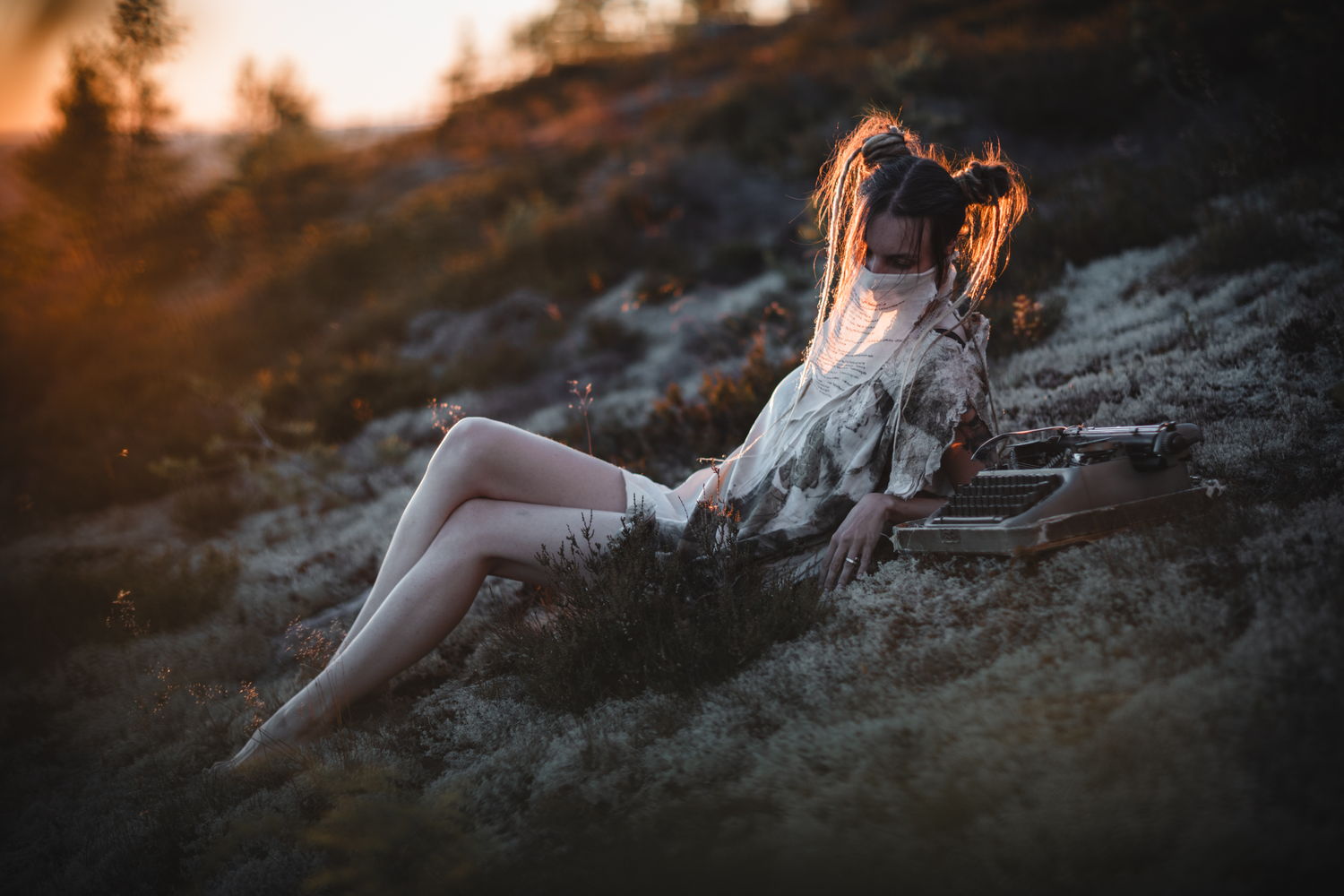
Hillside at golden hour, uncropped, before
Hillside at golden hour, uncropped, after

Hillside at golden hour, uncropped

The second frame in the set that needed no crop at all, which makes it the other clean look at the grade on its own. Warmth pulled back out of the grass, the whole frame taken down, and the figure and the typewriter kept readable in what is left.

Measured
  • no crop
  • b* +10.4 → +5.2
  • chroma −43%
Forest, flat daylight in, before
Before
Forest, flat daylight in, after
After

Forest, flat daylight in

Shot at midday for a set that had to end up near-nocturnal. Exposure pulled right down, green taken almost out, and the figure held up with local dodging so she does not go with the rest of it.

Measured
  • 3:2 → 1.22:1
  • b* +13.7 → +0.7
  • chroma −75%
River crossing, cold grade, before
Before
River crossing, cold grade, after
After

River crossing, cold grade

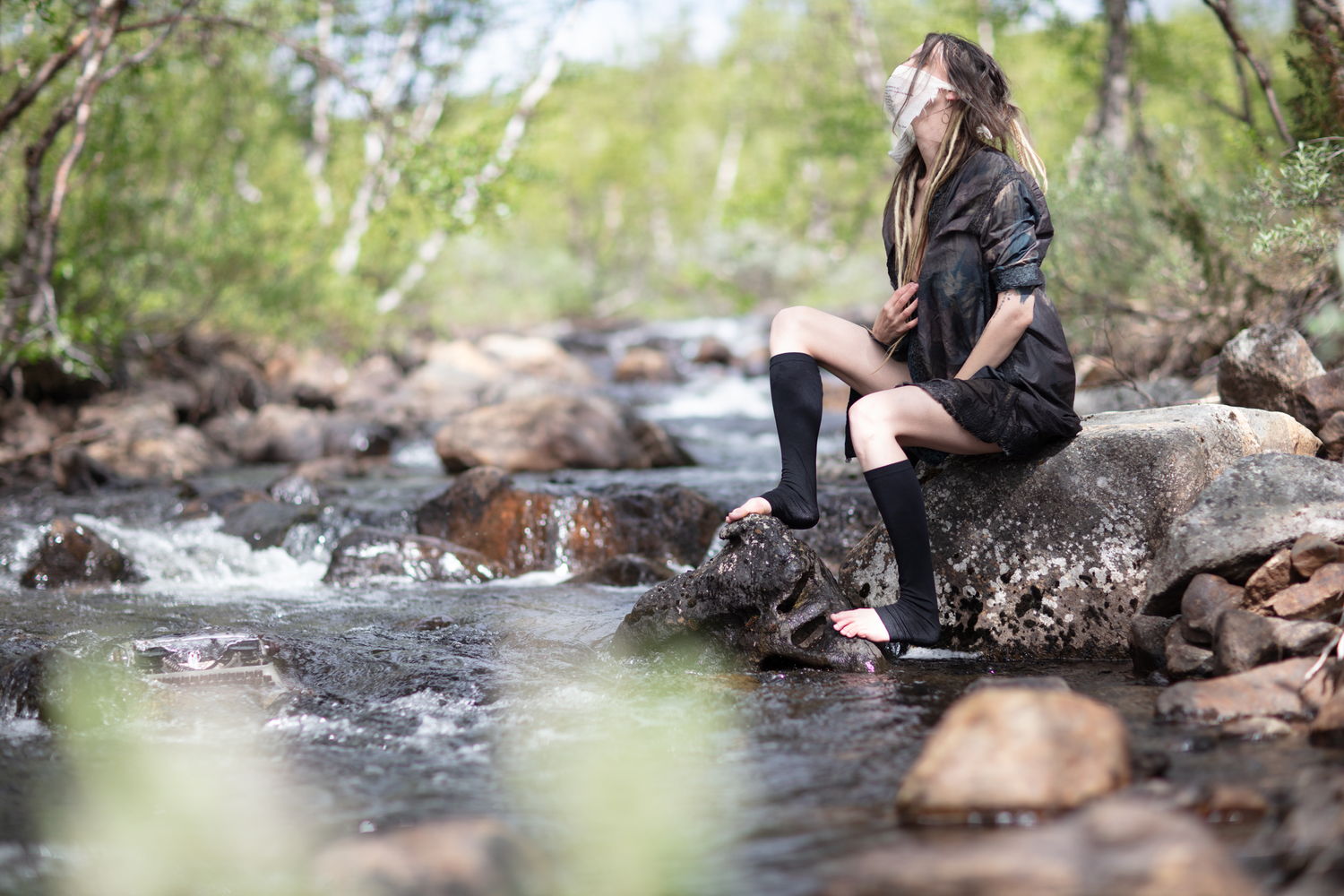
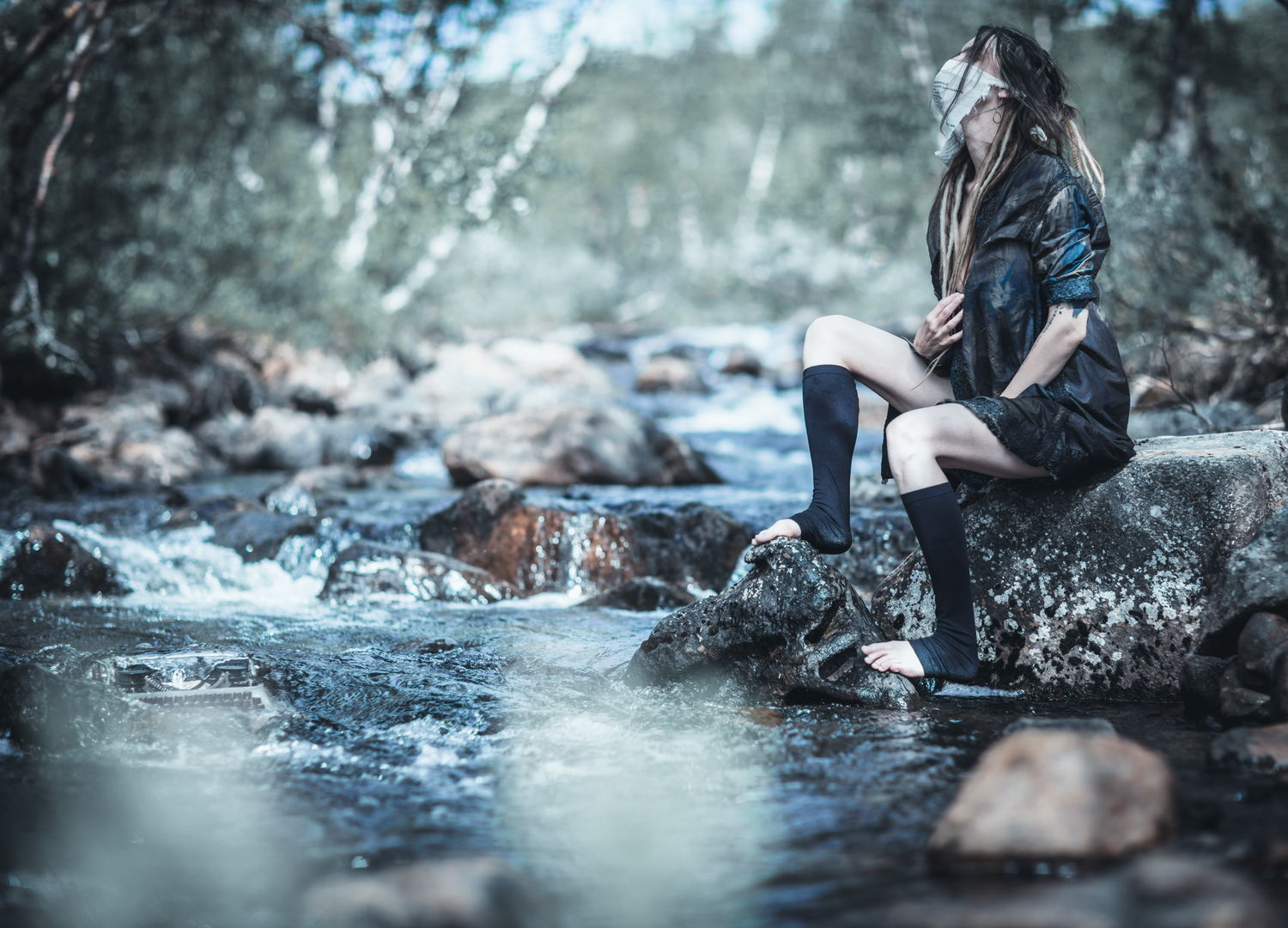
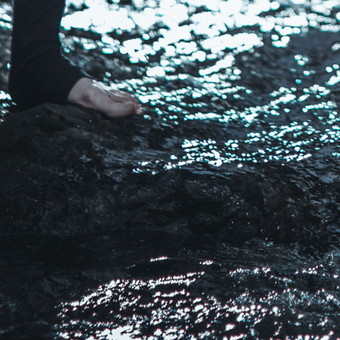
Same set, opposite temperature. Summer green taken out of the water and the bank, the whole frame pushed cold, and the skin kept just warm enough to stay separate from it.

Measured
  • b* +8.3 → −6.1
  • chroma −33%
  • contrast +8%
Roadside, black dress, before
Before
Roadside, black dress, after
After

Roadside, black dress

Same set, opposite problem: a bright overcast sky with nothing in it. Recovered and cooled, the bank warmed slightly against it, and the crop tightened to 4:3 so the sky stops taking half the picture.

Measured
  • 3:2 → 4:3
  • b* +5.8 → −1.1
  • chroma −37%
The full ten-frame set

The full ten-frame set

Shot across one summer day in changing light, finished as a single night. Nothing in here drifts from anything else in here - that is the deliverable.

Case two

Editorial series: Iceland, one look across the whole trip

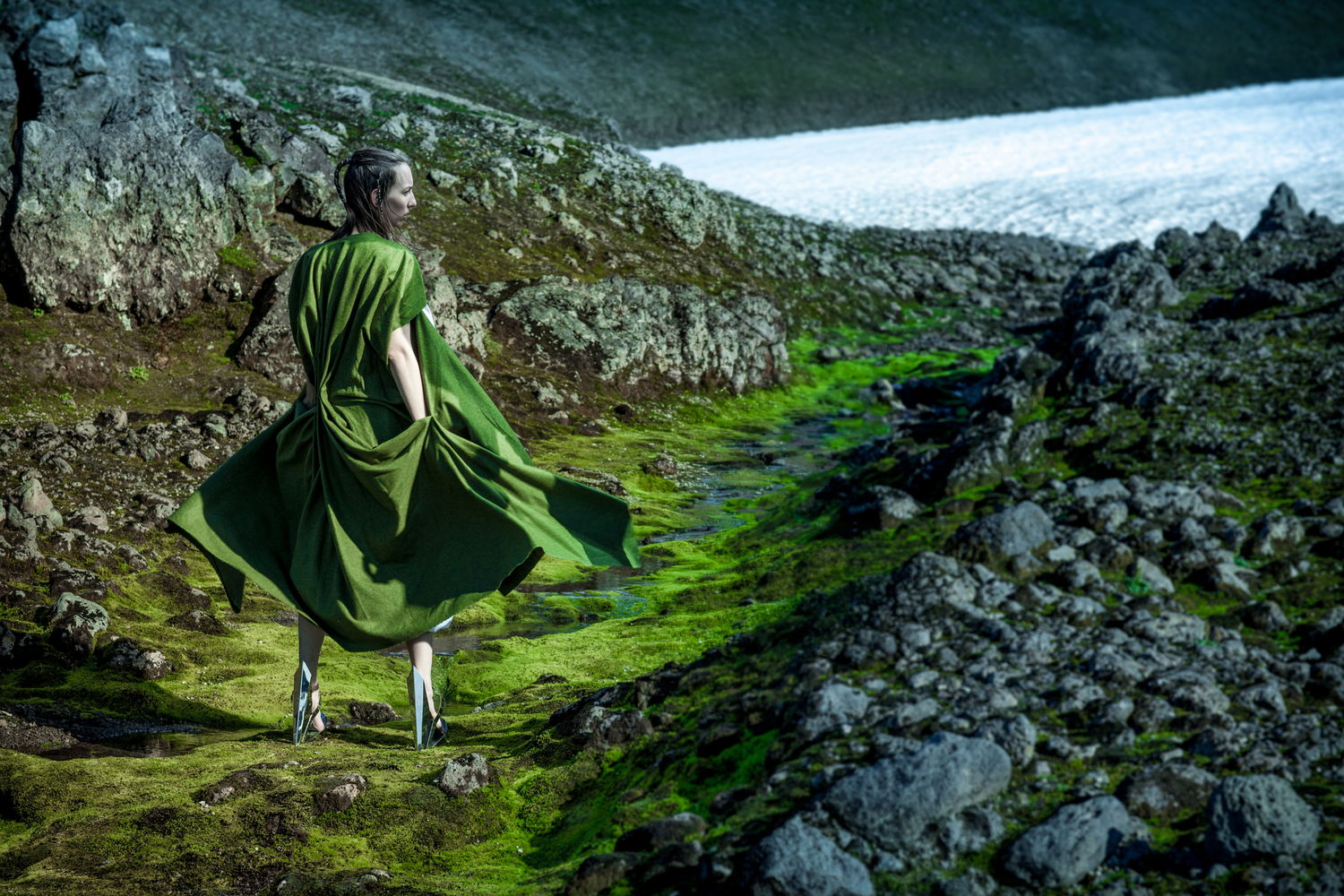
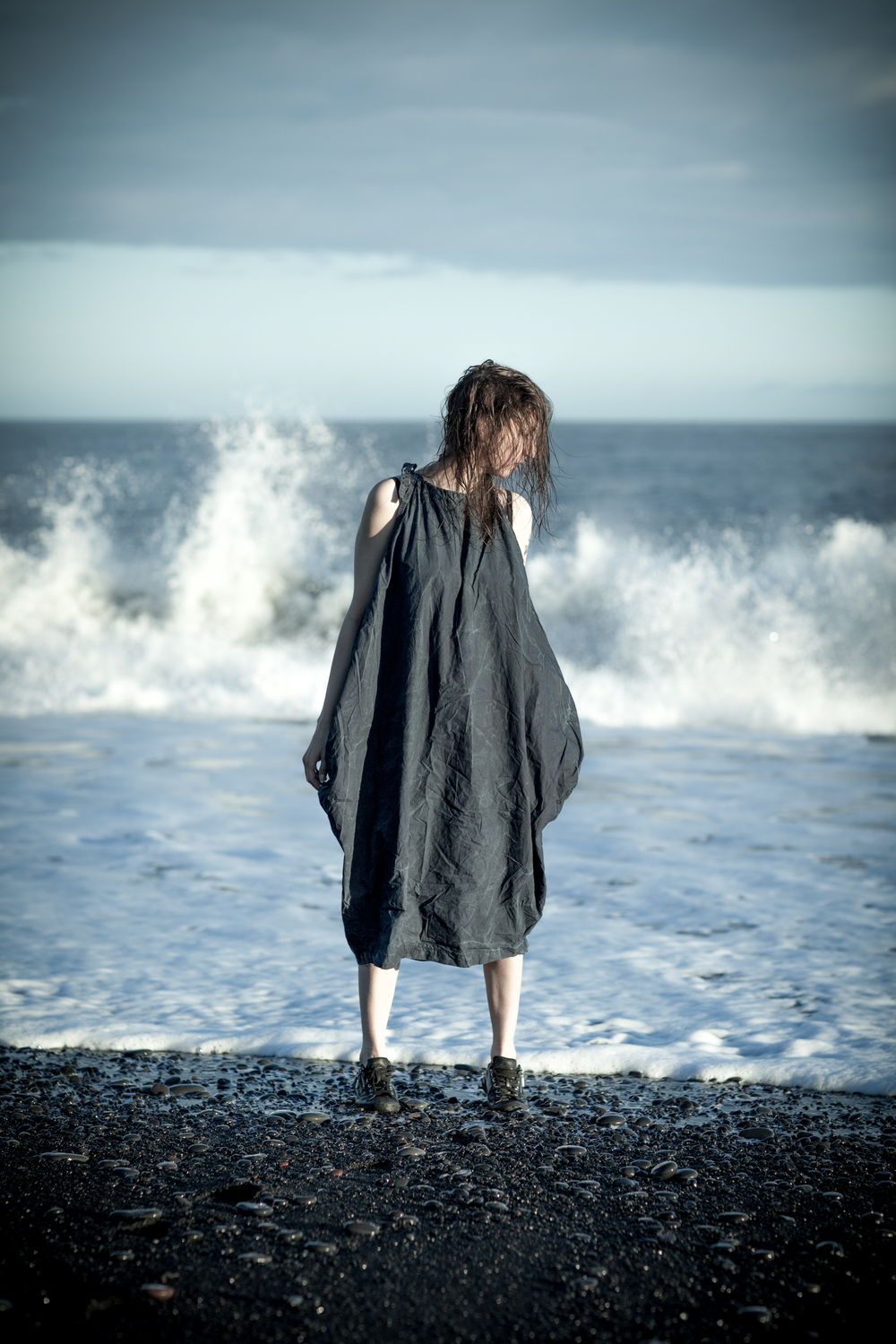
Several days on volcanic coast, and the take came back with a blue-magenta cast over all of it. Corrected first, then graded as one body of work rather than as a set of individual pictures - which is why black sand, green moss and a lava field can sit next to each other without looking like three different jobs. One frame also lost a crew member who was standing in it.
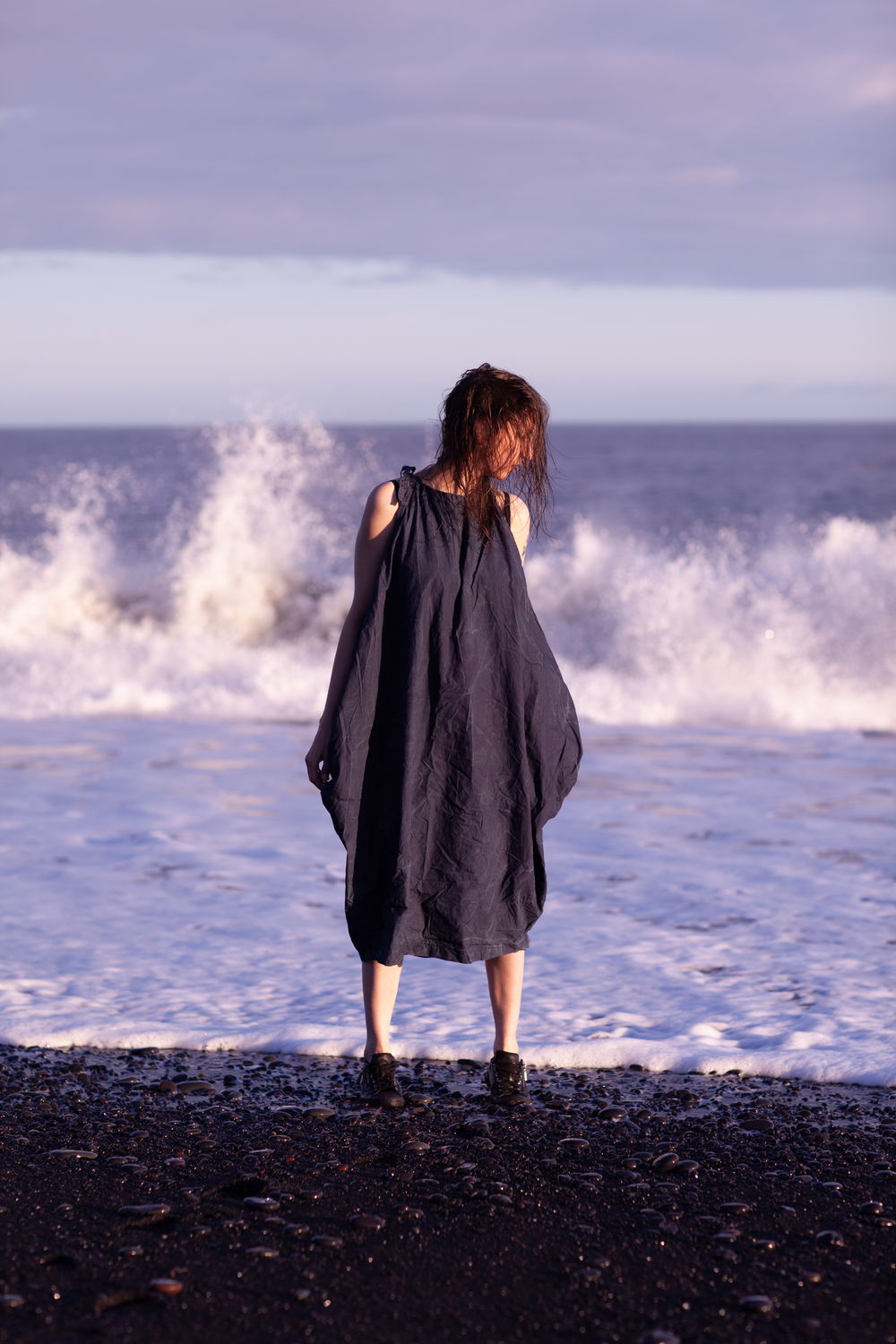
Black sand, breaking wave, uncropped, before
Black sand, breaking wave, uncropped, after

Black sand, breaking wave, uncropped

Straight out of the camera with the blue cast the whole trip came back with. Corrected to neutral, the spray recovered, and the sand taken down until the cloak and the white water are the only two things left with any brightness.

Measured
  • no crop
  • a* +8.8 → −4.1
  • chroma −48%
Moss and meltwater, second person removed, before
Moss and meltwater, second person removed, after

Moss and meltwater, second person removed

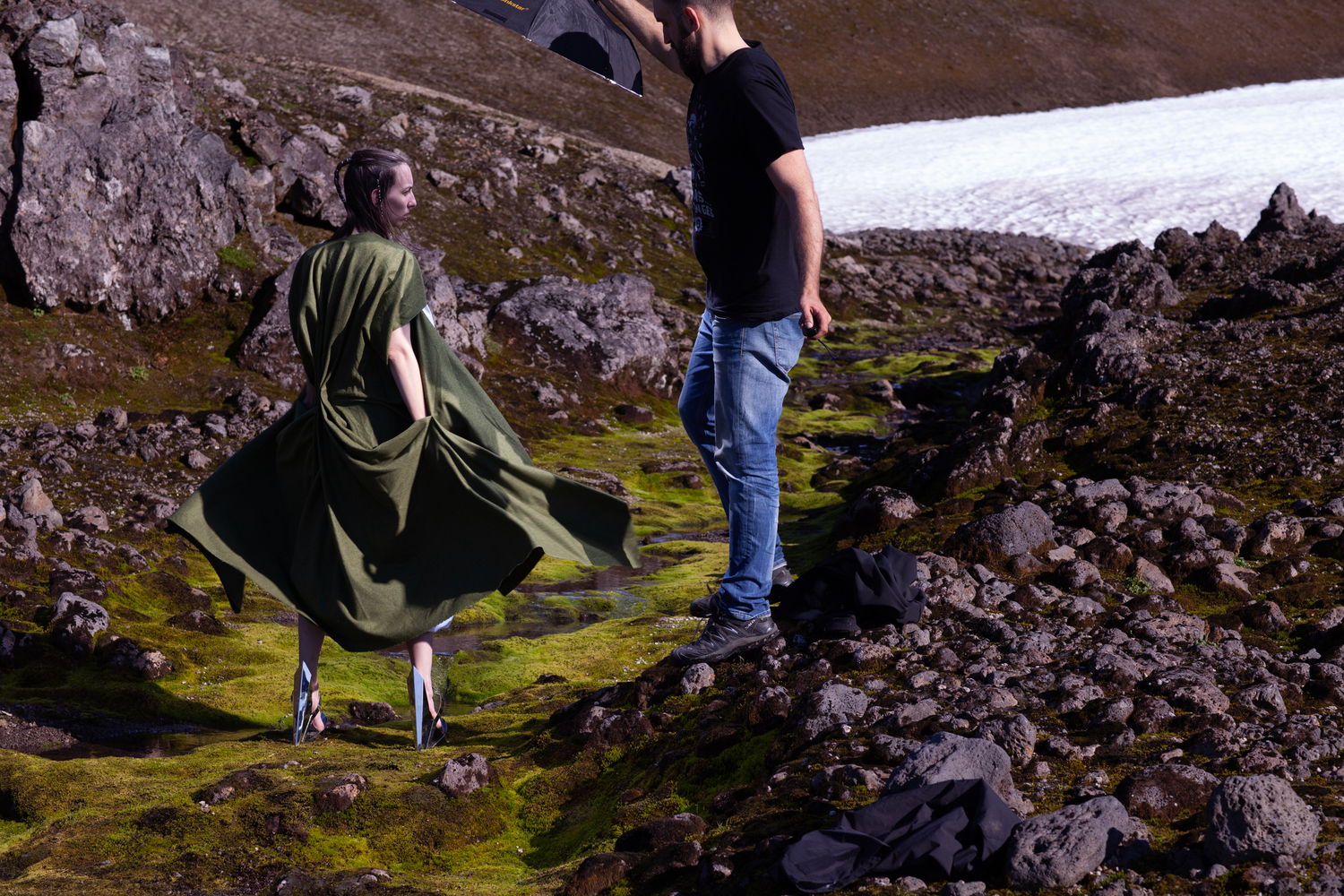
There was a crew member standing at the right of the frame in a black t-shirt and jeans. Removed, and the rock and moss rebuilt behind where he was standing. After that the green is lifted on its own channel so the moss carries the frame and the dress stays a different green from it.

Measured
  • person removed
  • a* +5.2 → −9.8
  • chroma +33%
Lava field, colour taken out, before
Before
Lava field, colour taken out, after
After

Lava field, colour taken out

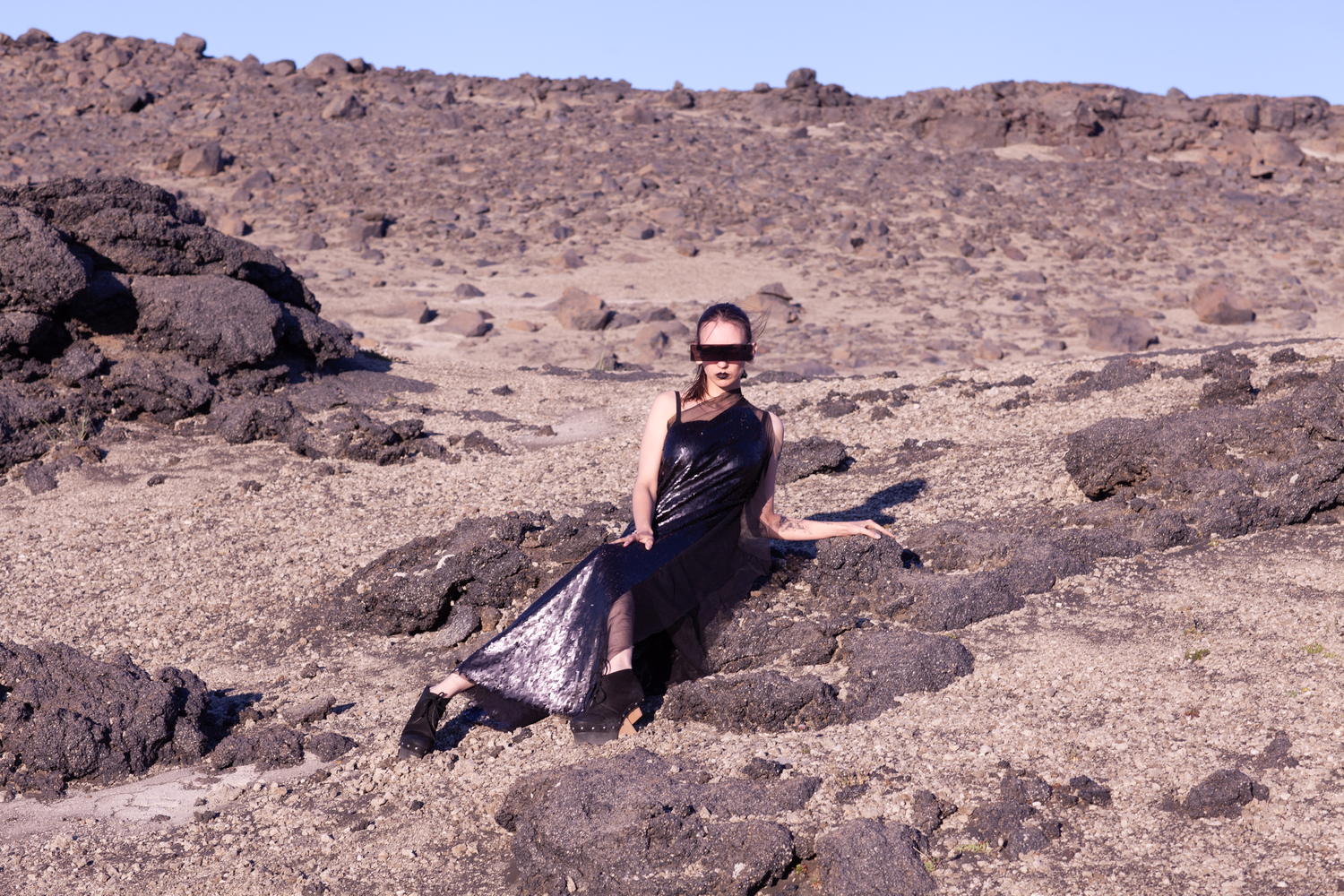
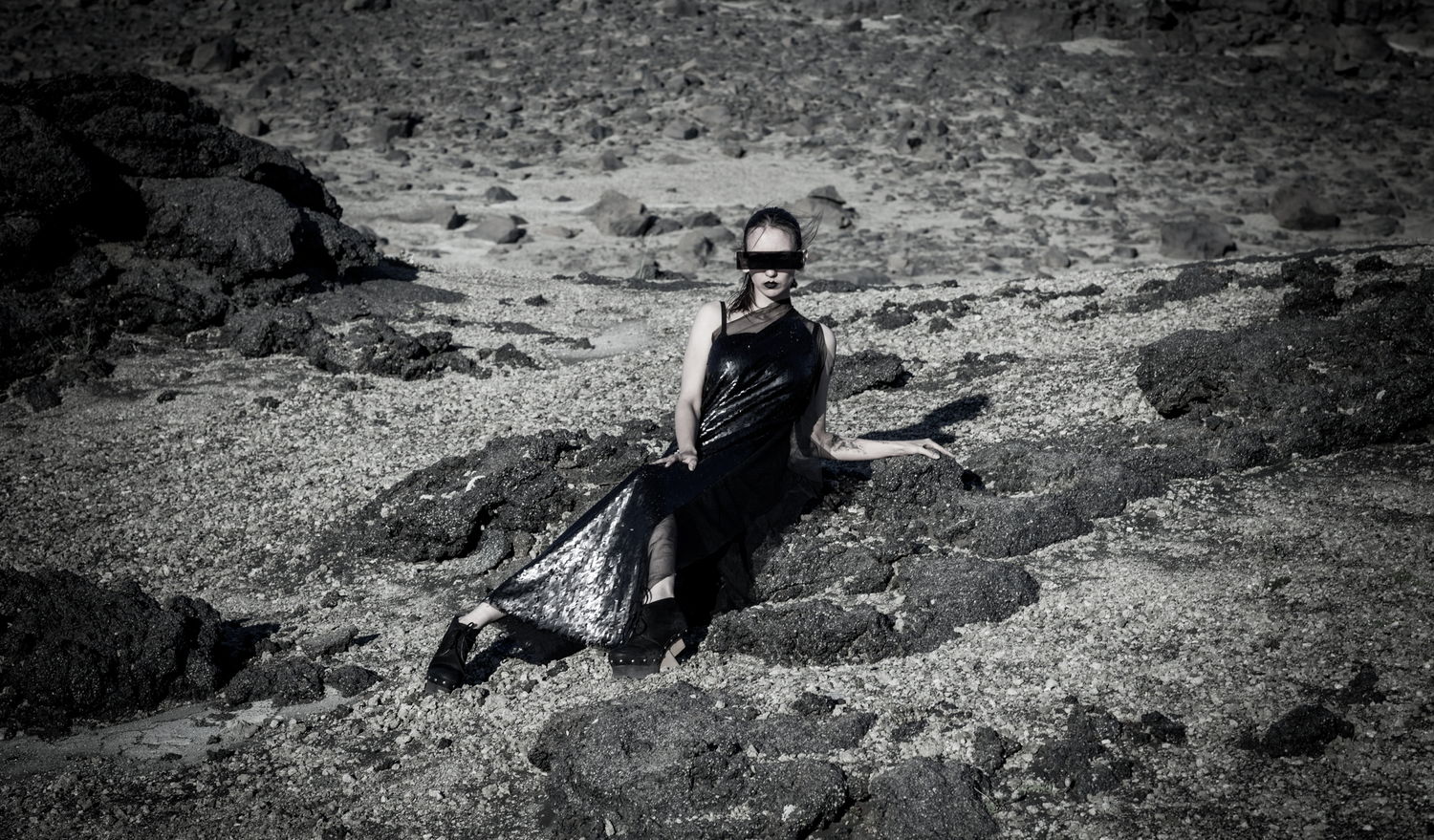
Strong magenta over sand that had almost no colour in it to begin with - so the honest answer was to take colour out of the decision almost entirely. Pulled down to a trace, recropped wider, and the dress left as the only true black in the frame.

Measured
  • 3:2 → 12:7
  • a* +10.7 → −0.5
  • chroma −91%
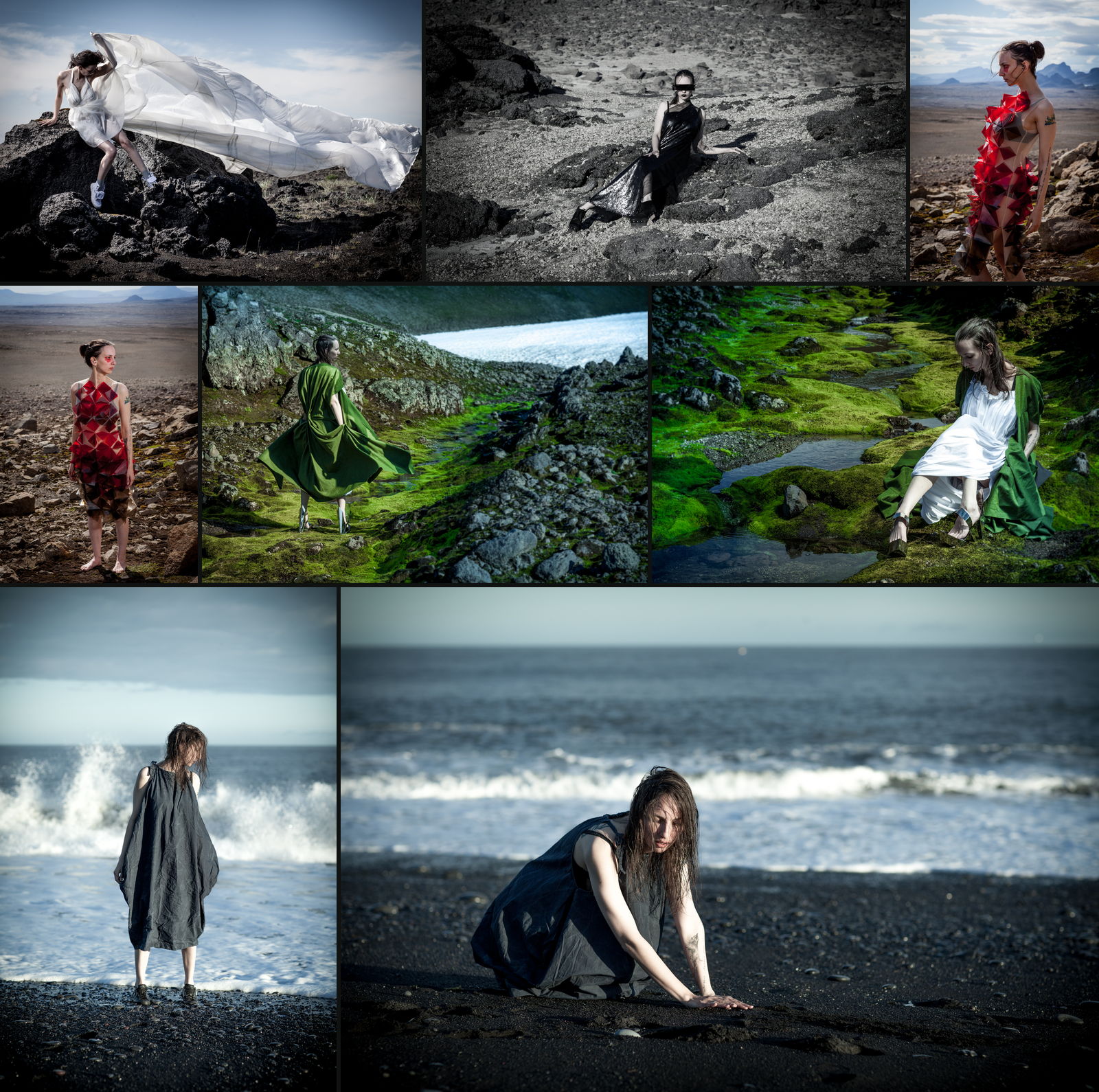
Eight frames from the trip

Eight frames from the trip

Black sand, lava field, moss and meltwater, shot over several days in wildly different light and delivered as one body of work. A sample - the trip produced considerably more.

Case three

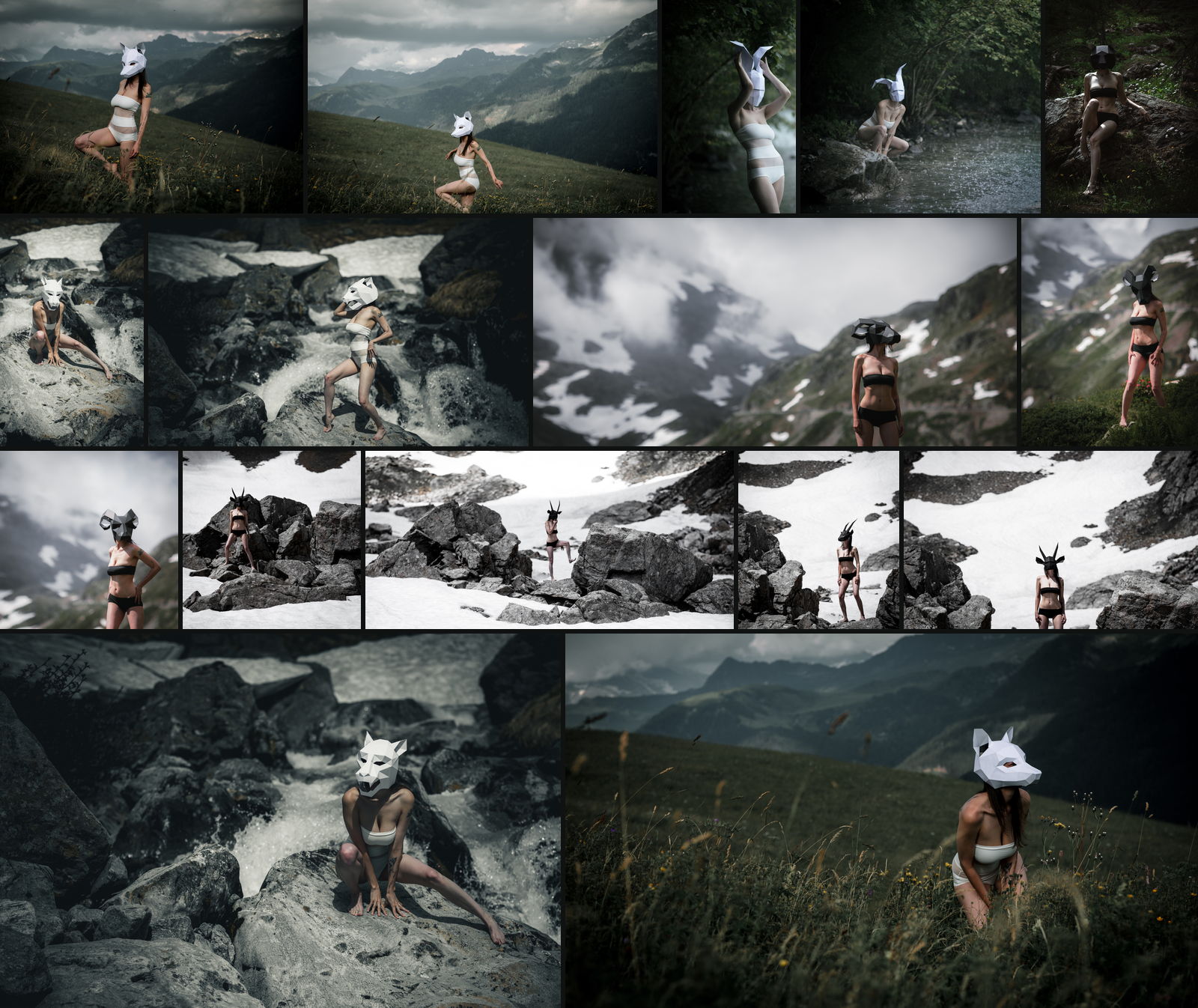
Conceptual fashion series: nineteen frames, one grade

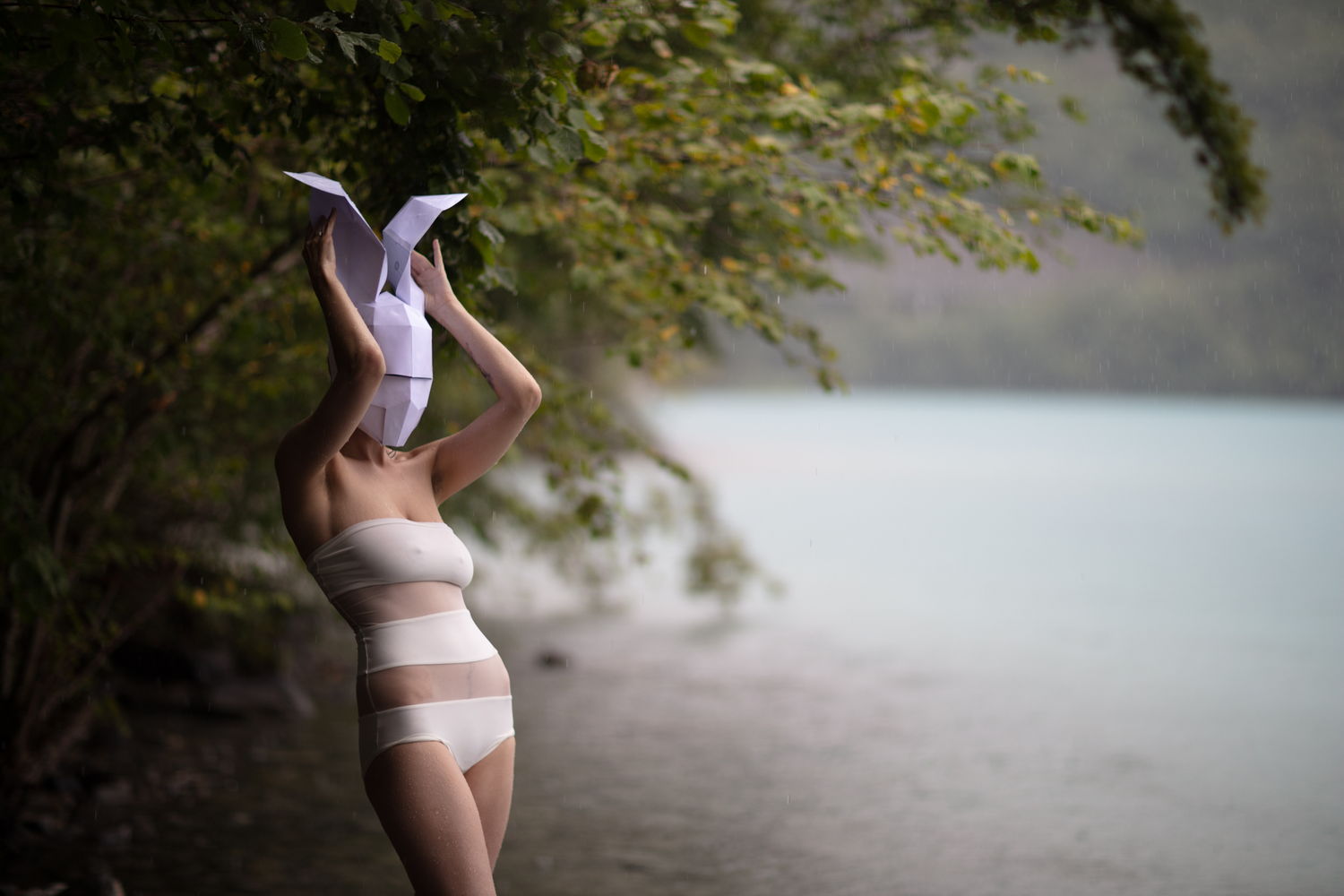
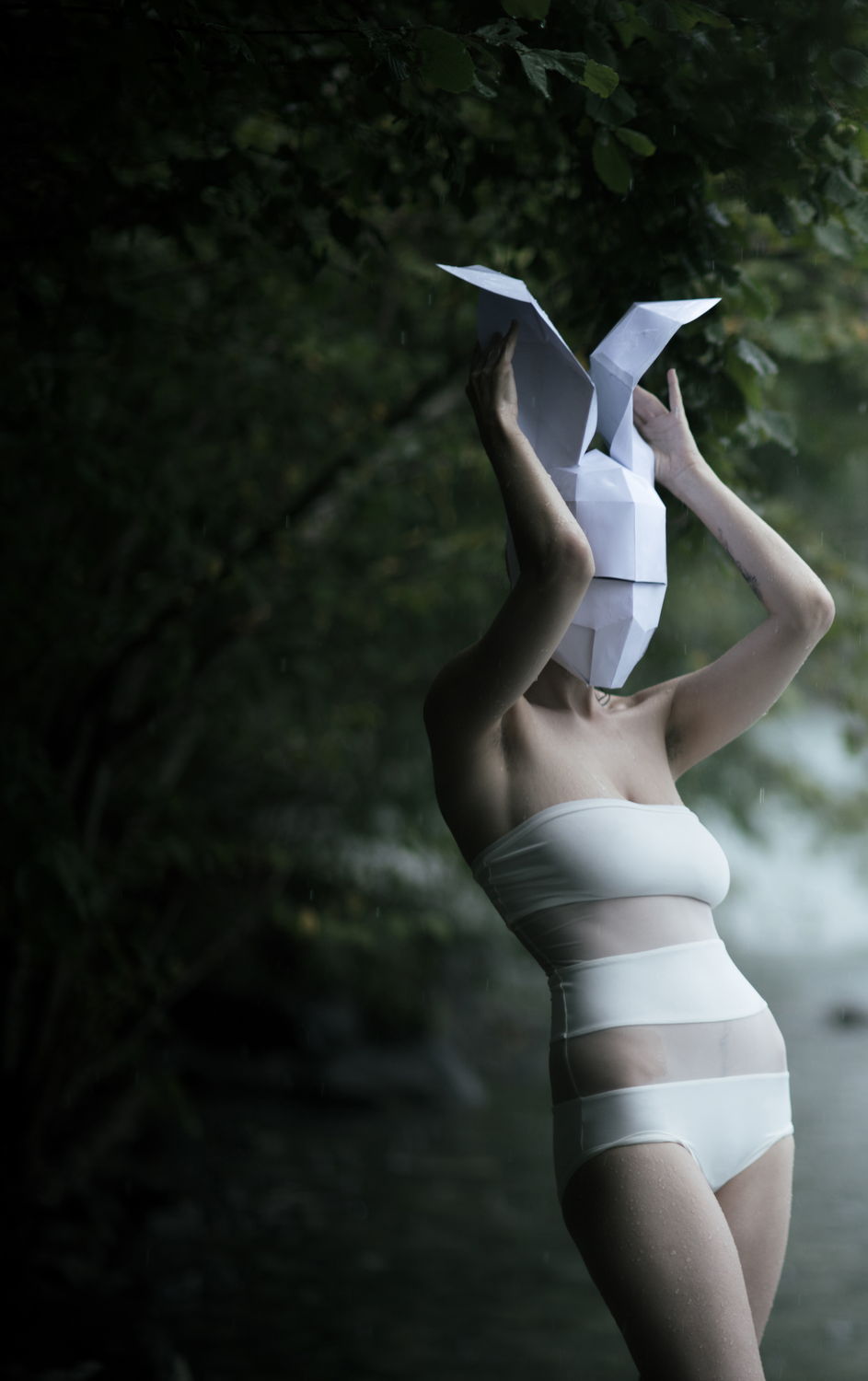
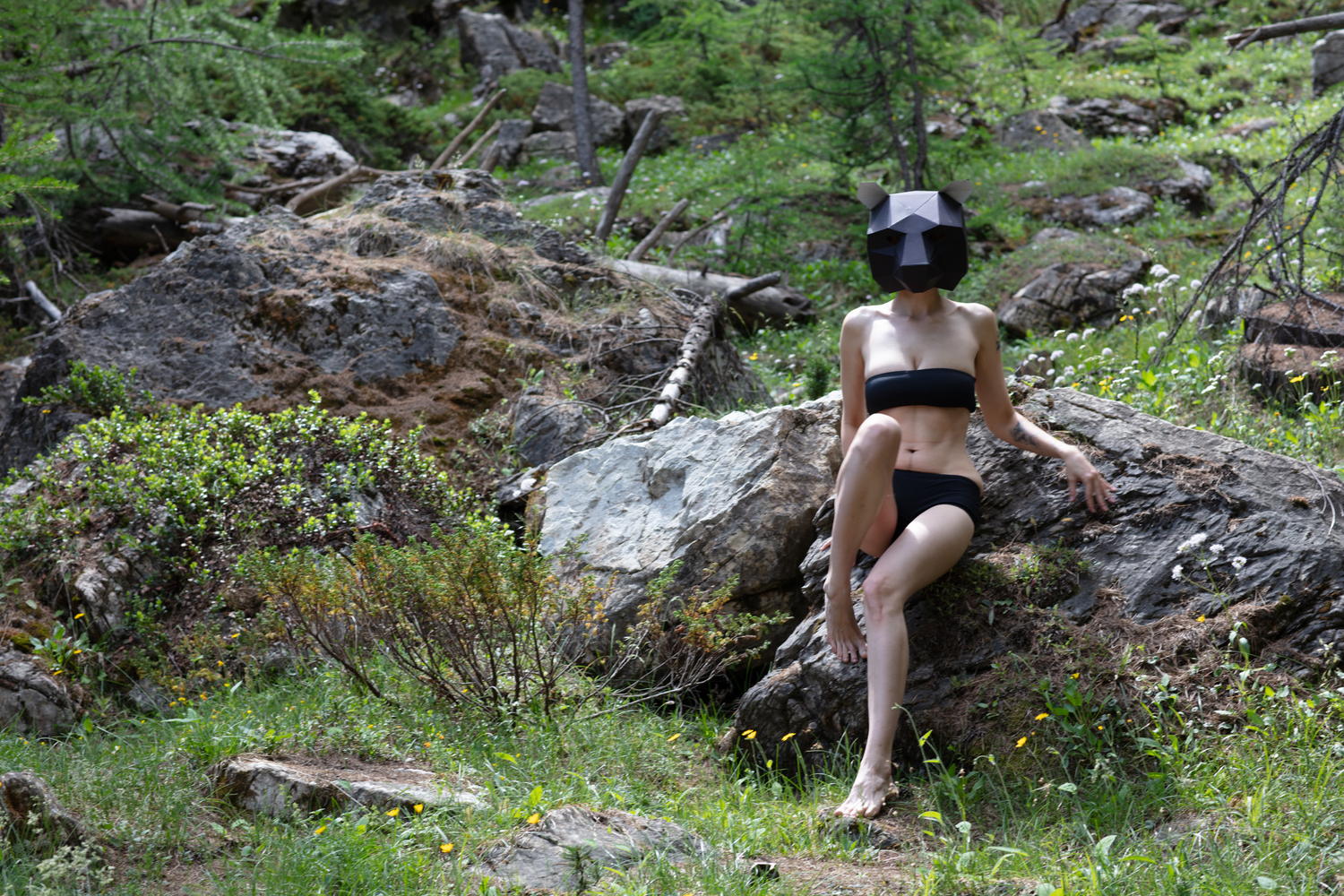
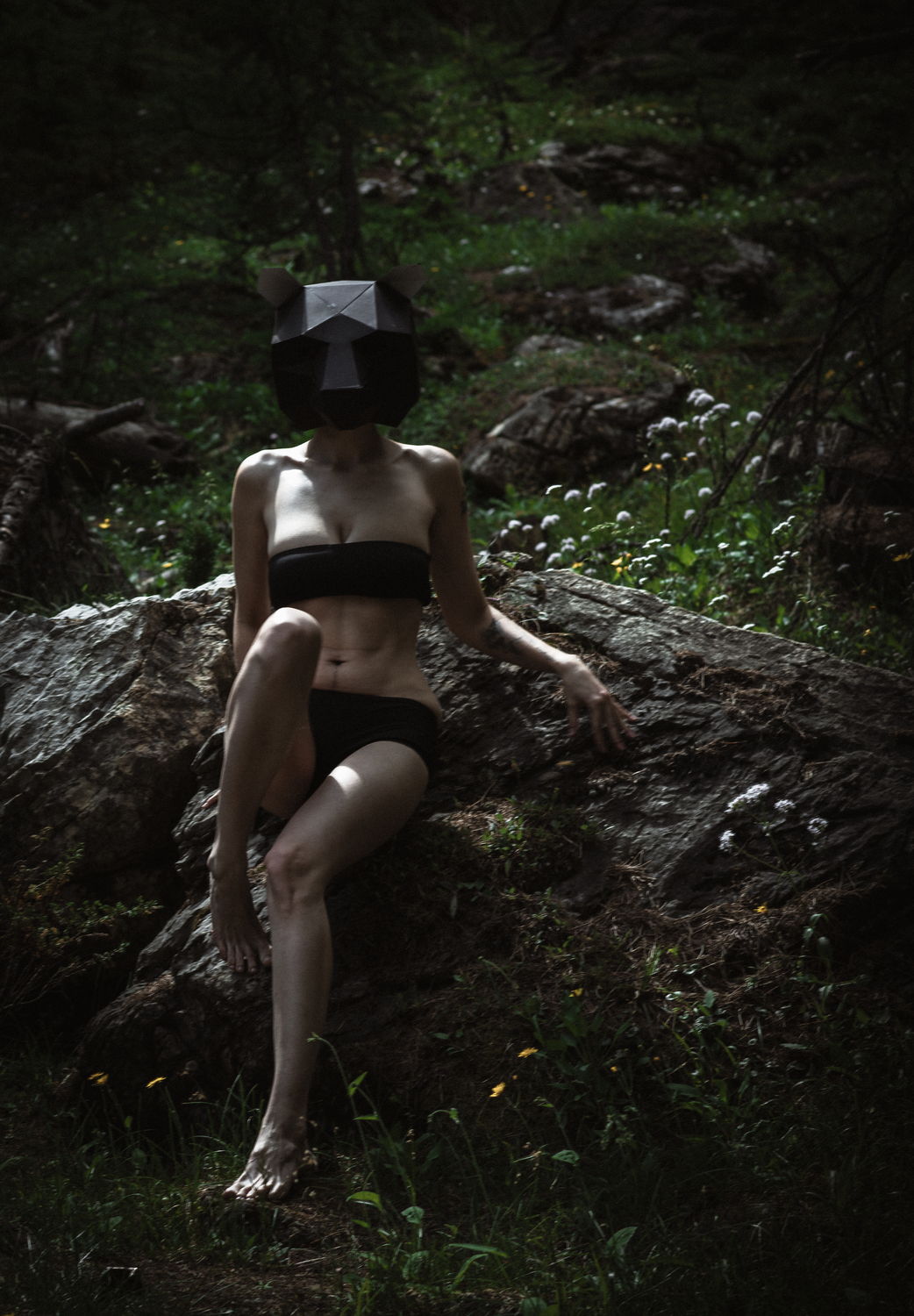
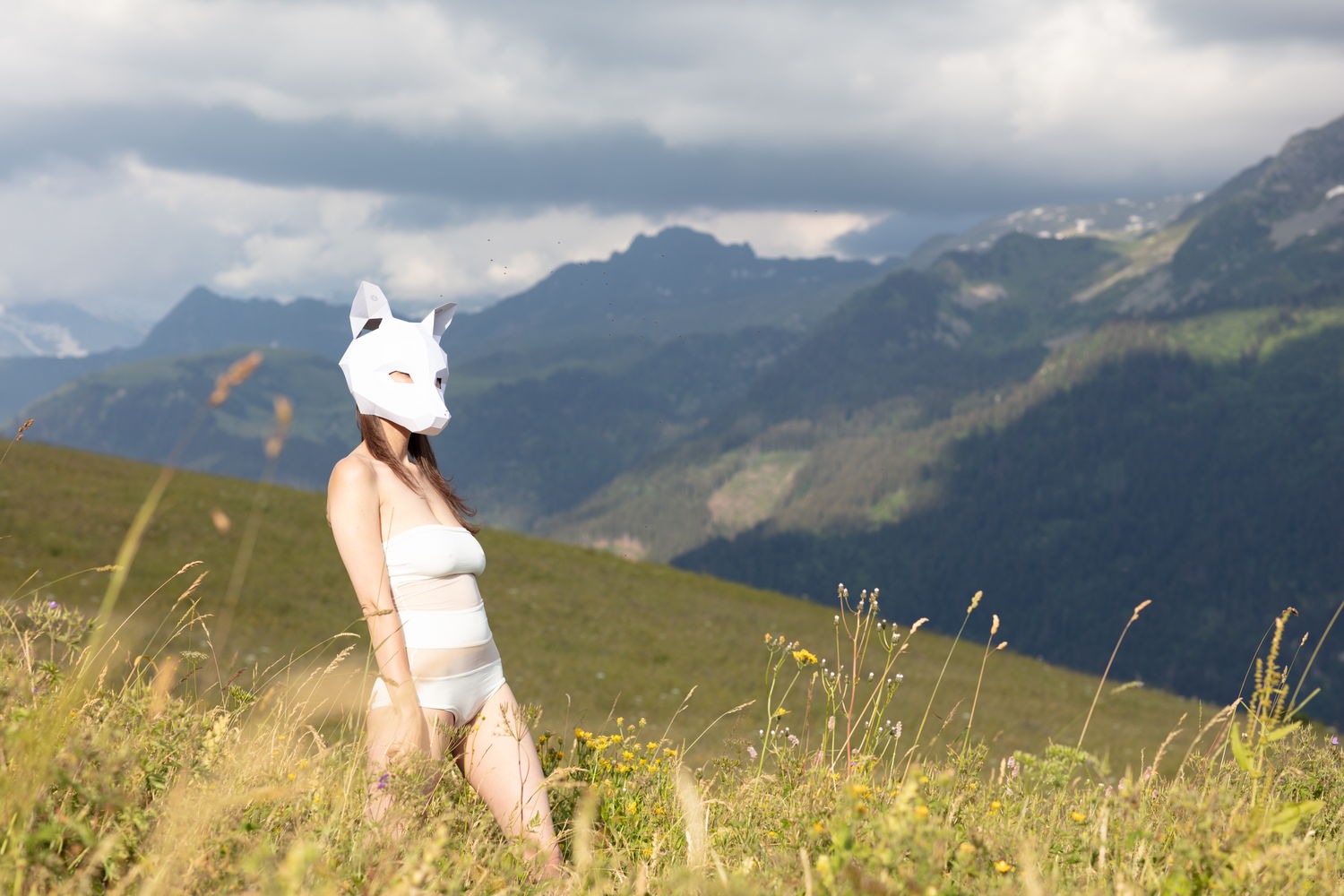
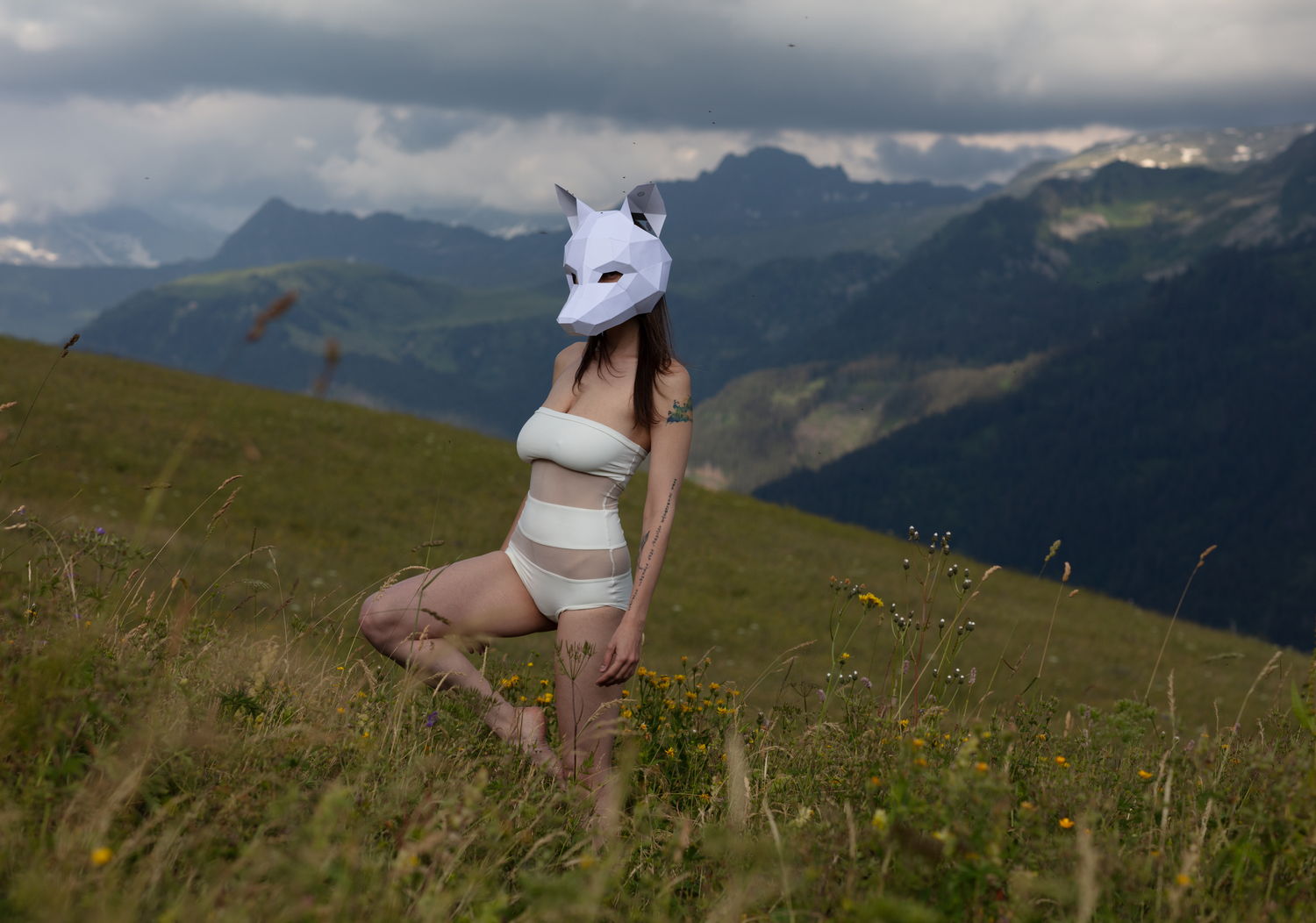
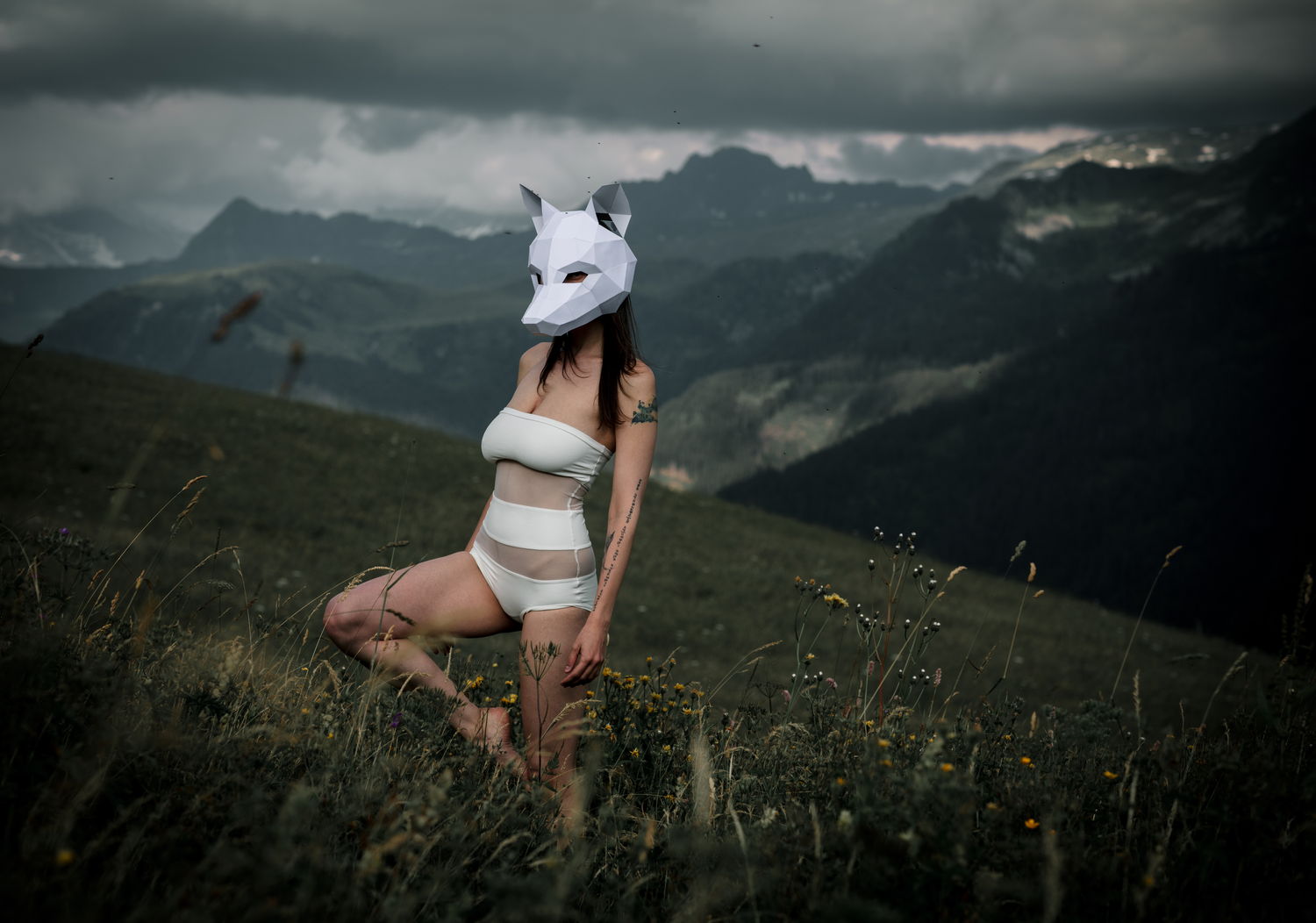
The hardest of the three. White paper masks and white swimwear in full mountain sun, so almost every frame came off the card with the highlights clipped: the recovery had to happen before any look could be applied. Then a crop per frame to carry the story, and a selective preset built for each mask so the paper stays paper-white while everything around it drops two or three stops. Doing that once is an edit. Doing it nineteen times and still having one series is the work. Delivered as full-resolution masters.
Fox mask on the meadow, uncropped, before
Fox mask on the meadow, uncropped, after

Fox mask on the meadow, uncropped

Almost the same frame in and out, so the colour is the whole change. Summer green pulled out of the grass and the far slope, the exposure taken down about a stop and a half, and the white of the mask and the swimwear held up so the figure survives it.

Measured
  • 3:2 → 10:7
  • b* +6.8 → +1.9
  • chroma −62%
Lake edge, paper ears, before
Before
Lake edge, paper ears, after
After

Lake edge, paper ears

Shot into the light with a white paper prop, white swimwear and a bright lake behind - every highlight on the edge of clipping. Recovered first, then the whole frame taken down more than two stops and recropped to vertical, with the paper held as the only clean white left.

Measured
  • 3:2 → 1:1.59
  • L̄ 42 → 20
  • chroma −37%
Boulder in the pines, before
Before
Boulder in the pines, after
After

Boulder in the pines

Midday sun on green scrub, which is the worst light this series could have had. Green stripped almost out, exposure down nearly three stops, and the figure recovered back out of the shadow it would otherwise have fallen into.

Measured
  • 3:2 → 1:1.44
  • L̄ 41 → 12
  • chroma −67%
Snowmelt, running water, before
Before
Snowmelt, running water, after
After

Snowmelt, running water

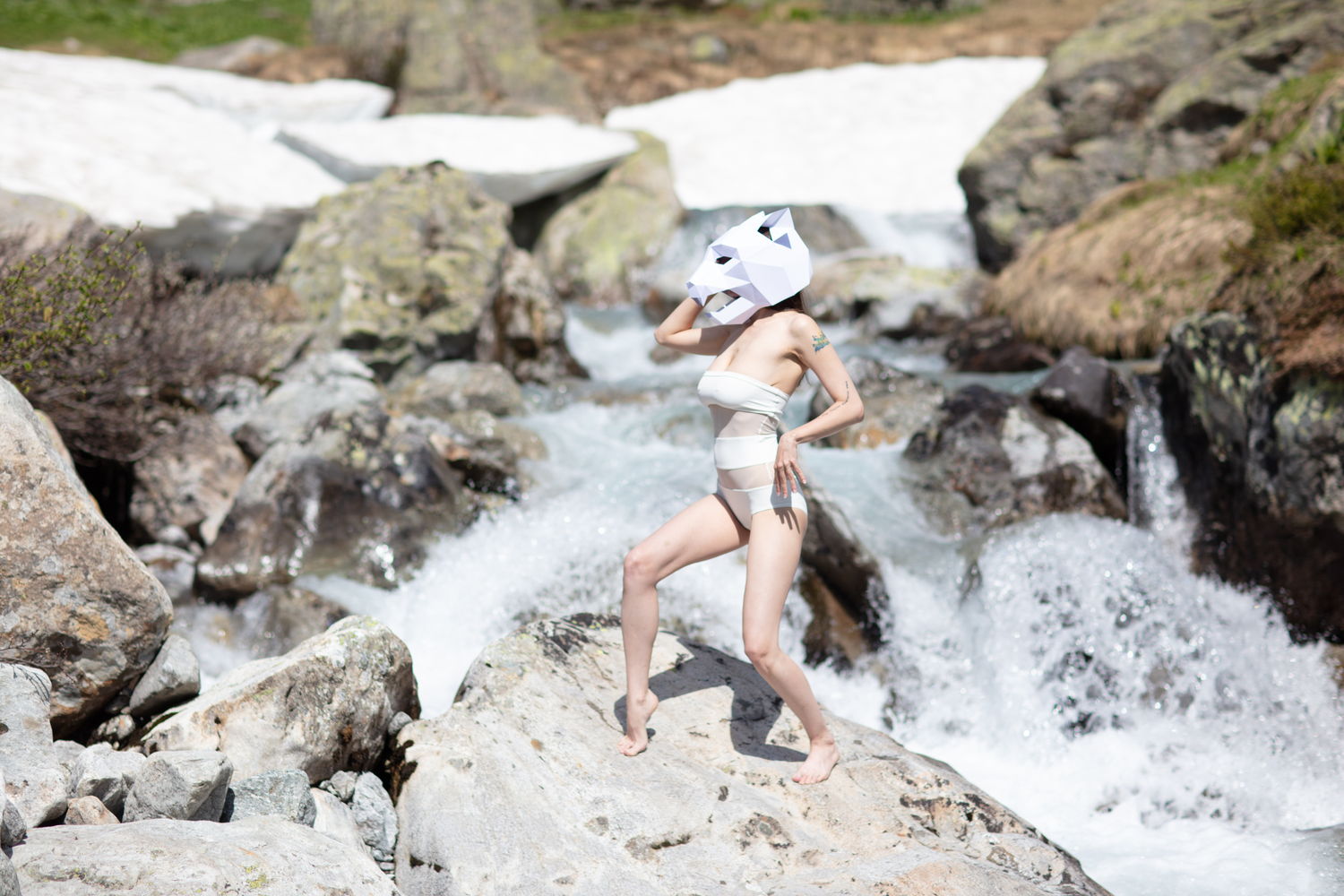
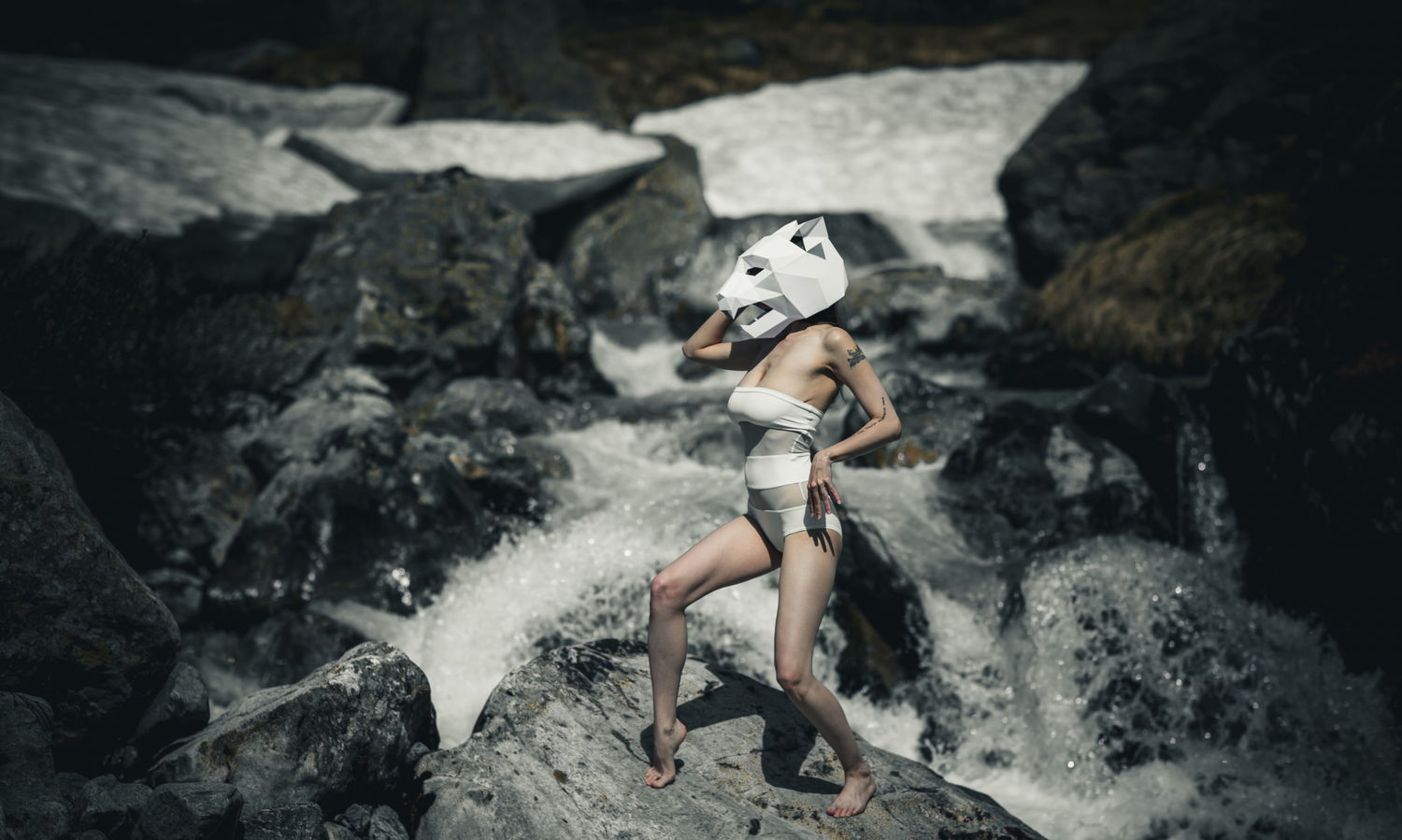
Snow, whitewater and a white mask in one frame - three different whites, all of them blown. Each recovered separately so they stay distinguishable, then the rock dropped to hold them apart.

Measured
  • 3:2 → 5:3
  • L̄ 67 → 29
  • chroma −42%
Boulder field, wide, before
Before
Boulder field, wide, after
After

Boulder field, wide

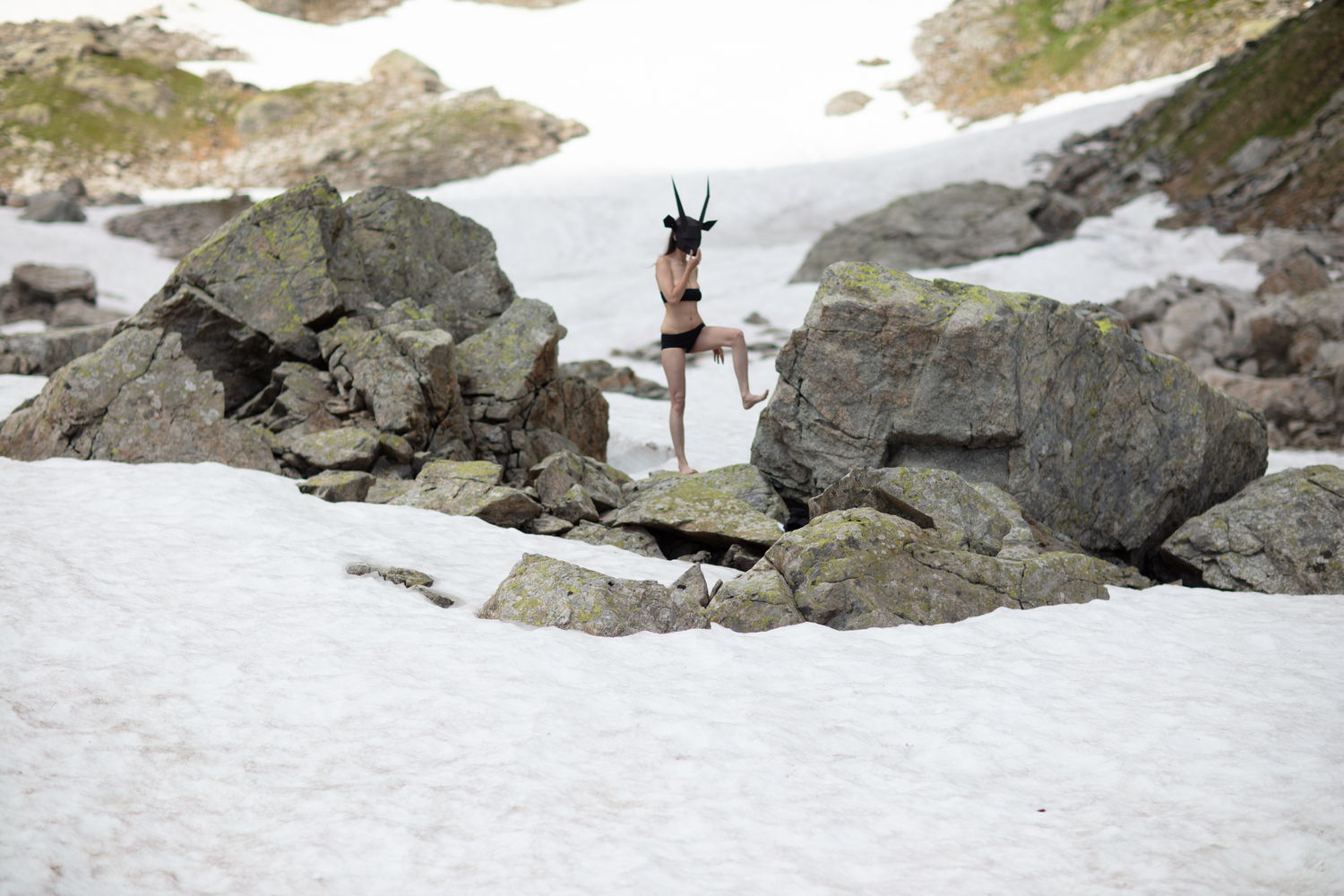
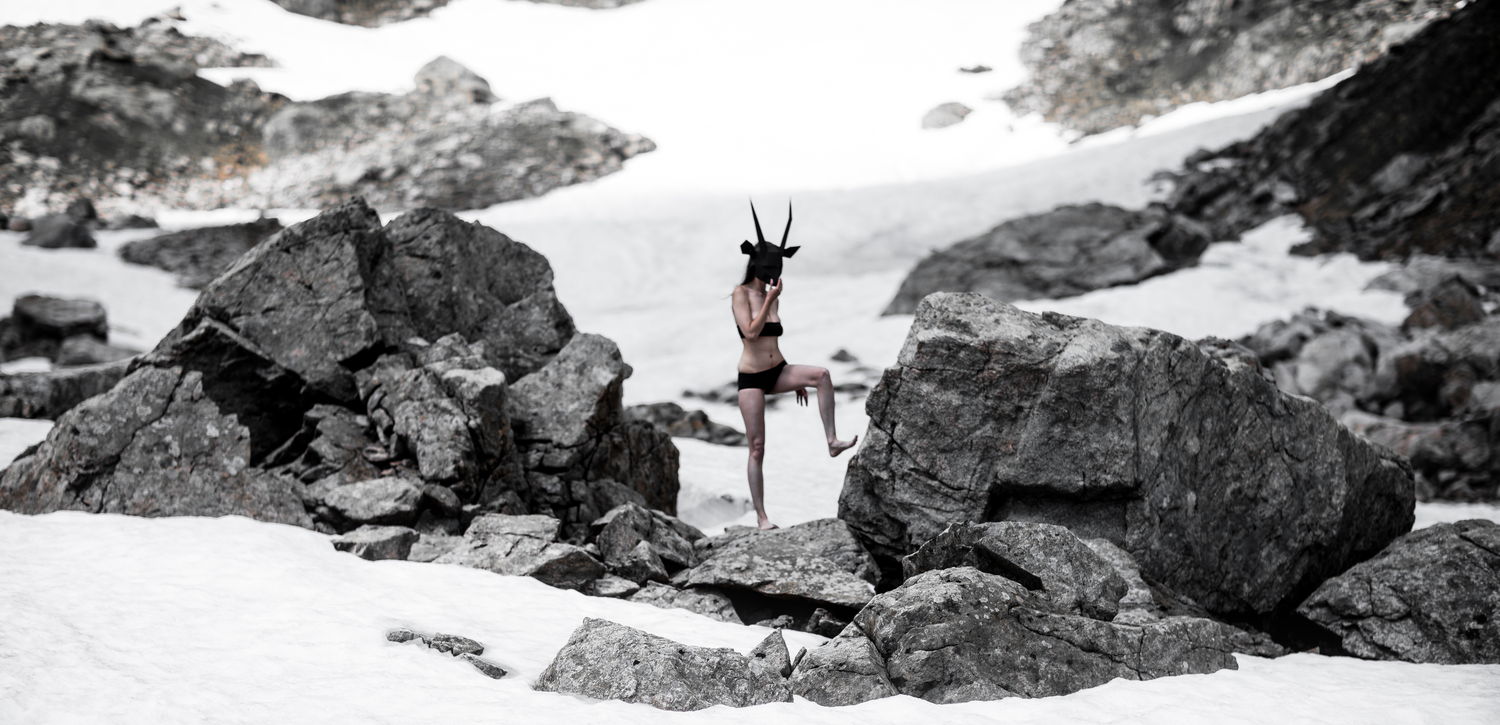
Colour taken almost entirely out and the contrast pushed instead, so the frame reads as rock against snow. Cropped wide because the scale of the boulders is the story and the figure is supposed to be small in it.

Measured
  • 3:2 → 2.07:1
  • chroma −82%
  • contrast +33%
Meadow, storm light, before
Before
Meadow, storm light, after
After

Meadow, storm light

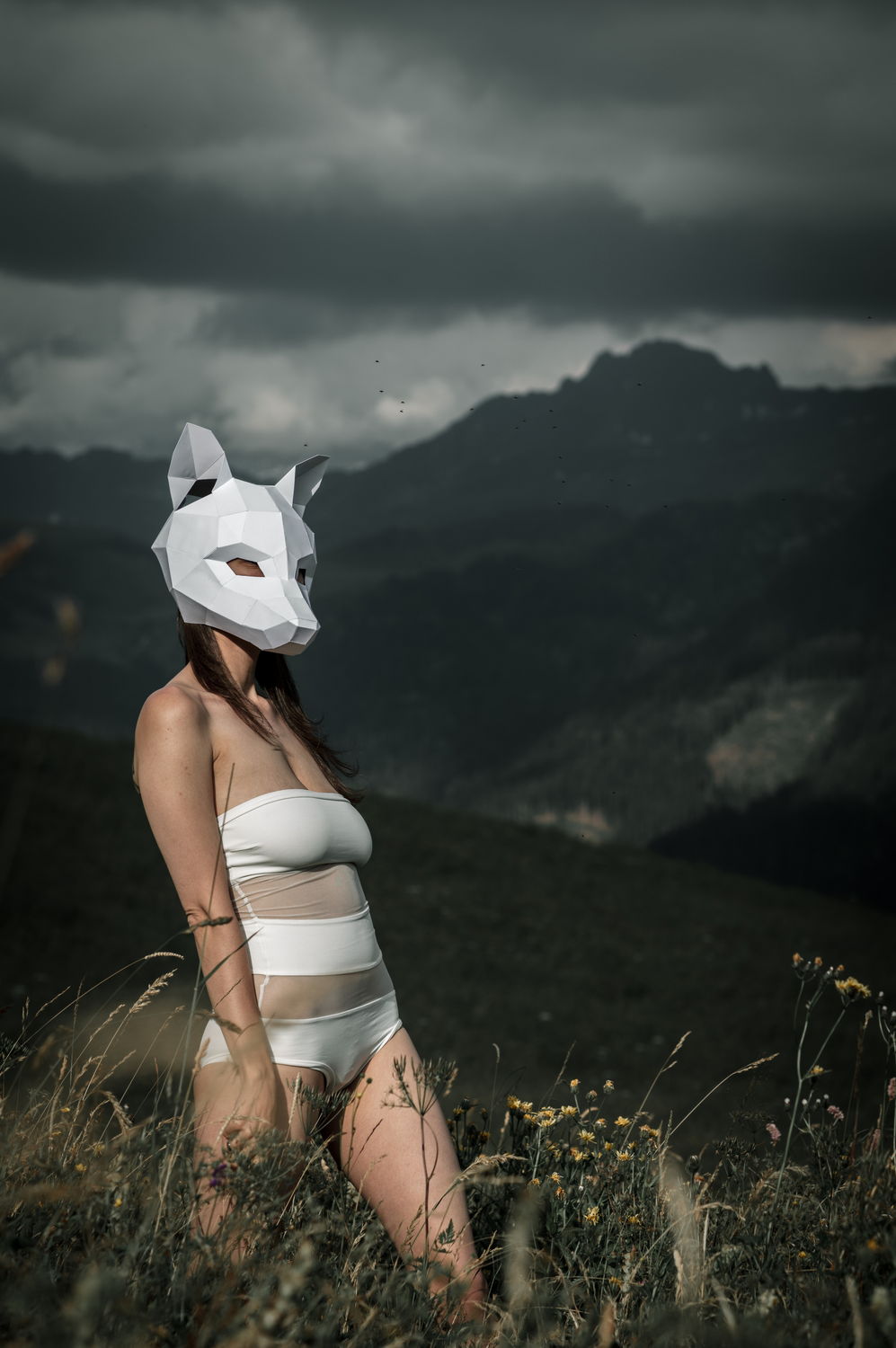
Sun on the grass, storm on the ridge behind - two light sources pulling in opposite directions. The meadow is graded down to match the sky rather than the other way round, and the crop drops the horizon so the cloud does the work.

Measured
  • 3:2 → 2:3
  • L̄ 59 → 27
  • chroma −66%
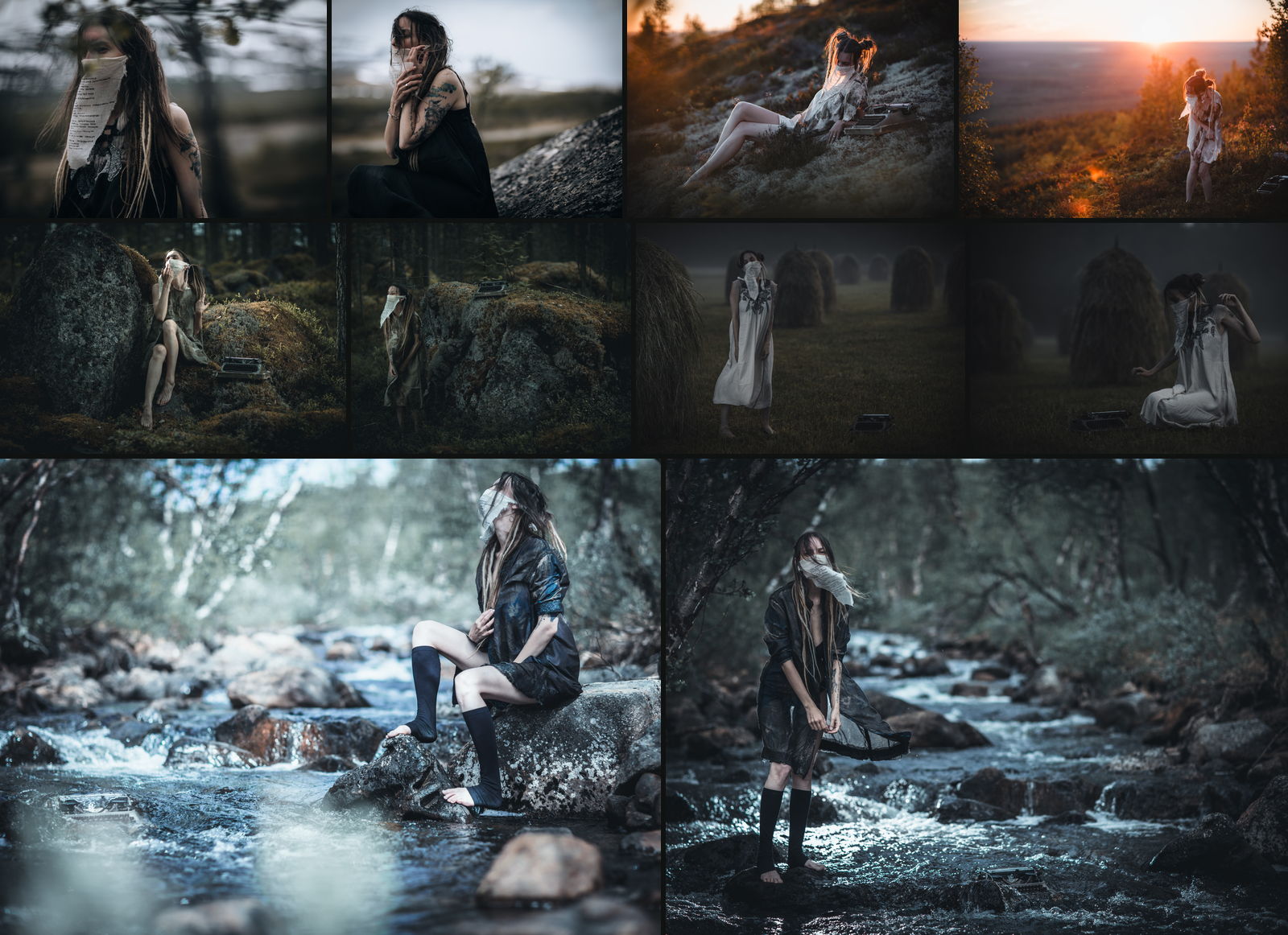
Sixteen frames from the set

Sixteen frames from the set

A sample of the delivery, not the whole of it - the set ran to several times this many frames. What matters is not any one picture here but that no picture drifts from the others.

§02

Before and after

Four frames, four different problems. Drag the handle - the file on the left is what came out of the camera, the file on the right is what the client published. Everything on this page is my own work, and the readouts under each pair are measured off the files rather than described.
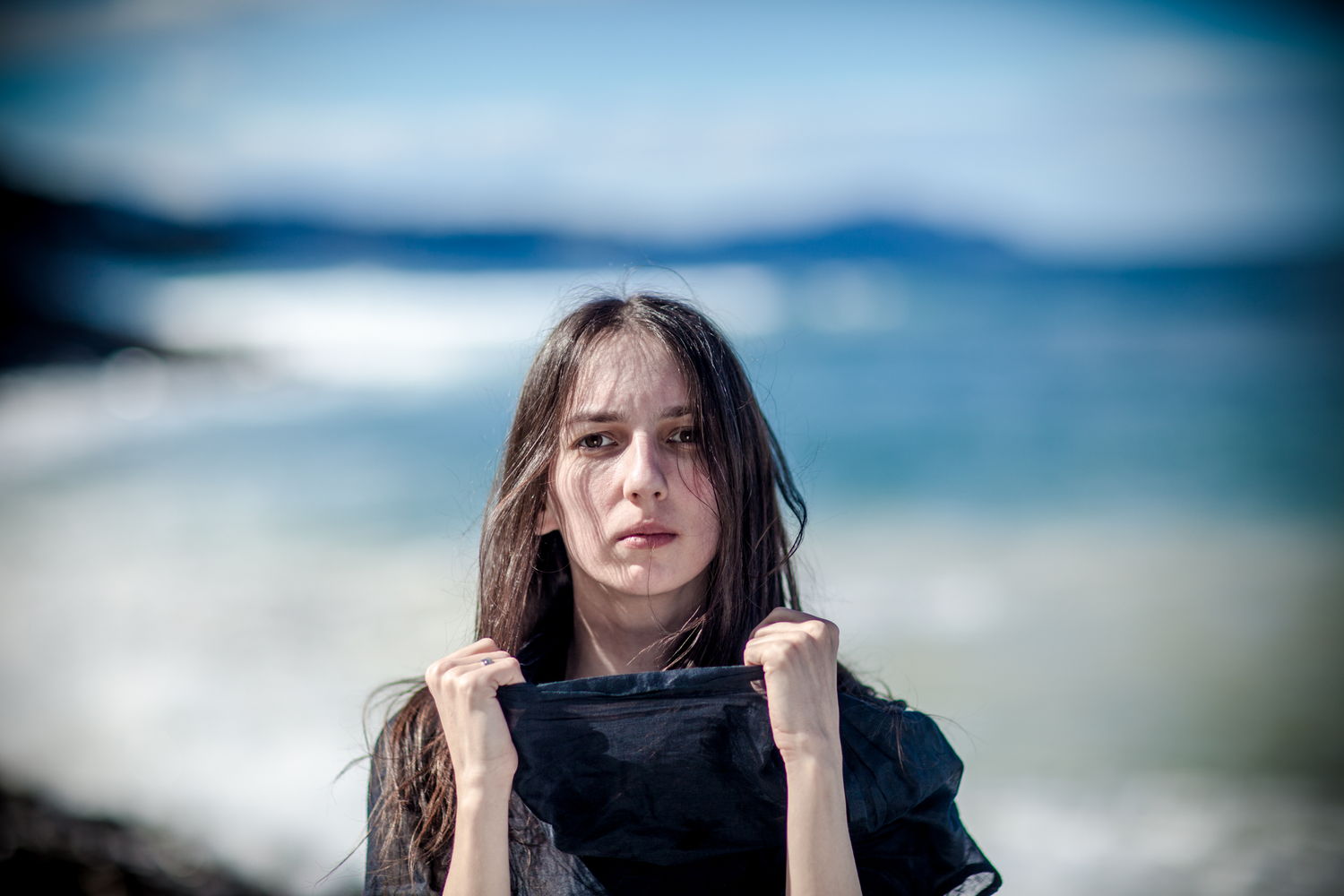
Lakeside, overcast, before
Lakeside, overcast, after

Lakeside, overcast

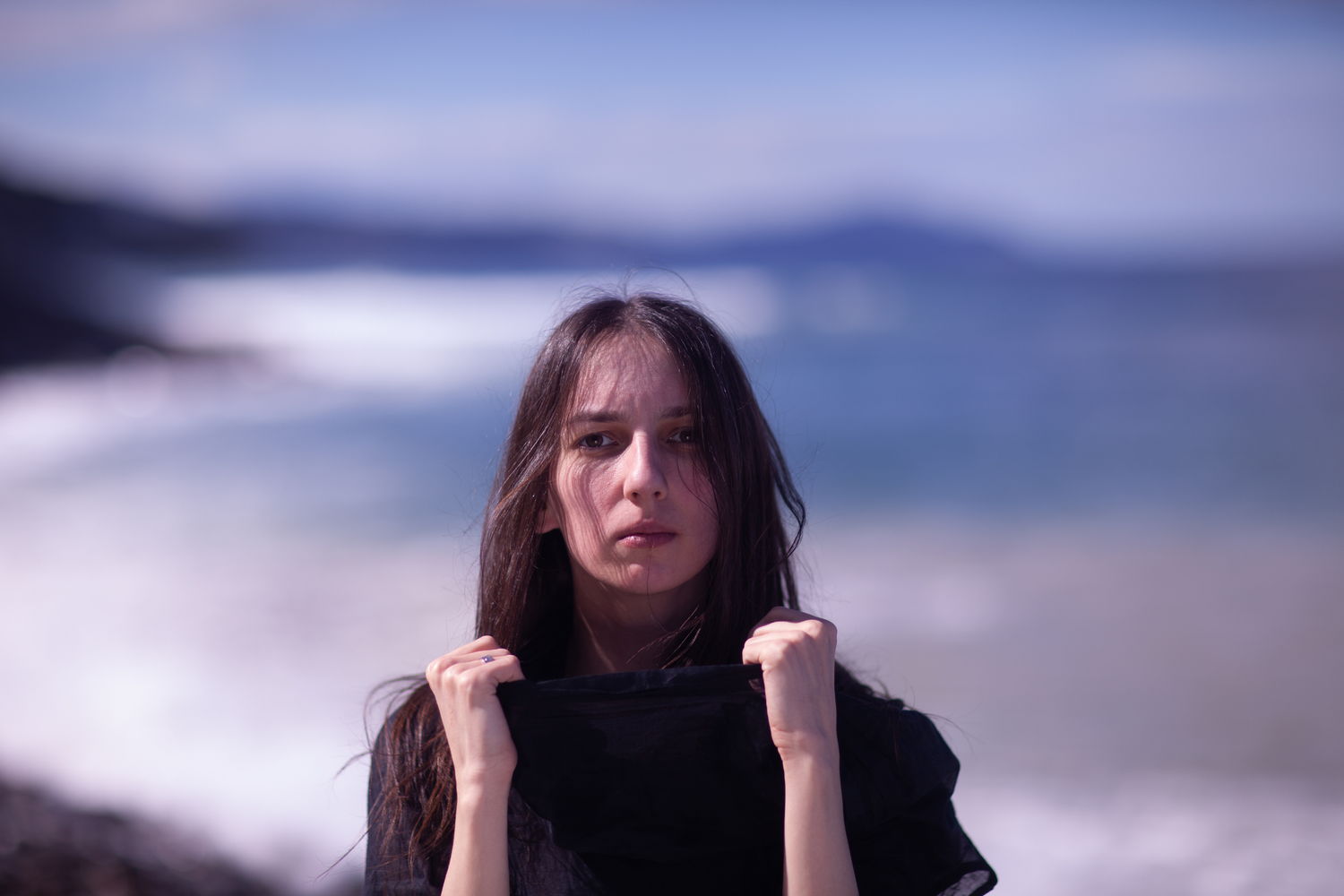
Nothing but available light and most of it wrong. Cast off, subject lifted about half a stop against the water, background cooled so she comes forward without a cut-out.

Measured
  • a* +8.4 → −2.9
  • chroma −36%
  • contrast +6%
Sea stacks, flat light, before
Sea stacks, flat light, after

Sea stacks, flat light

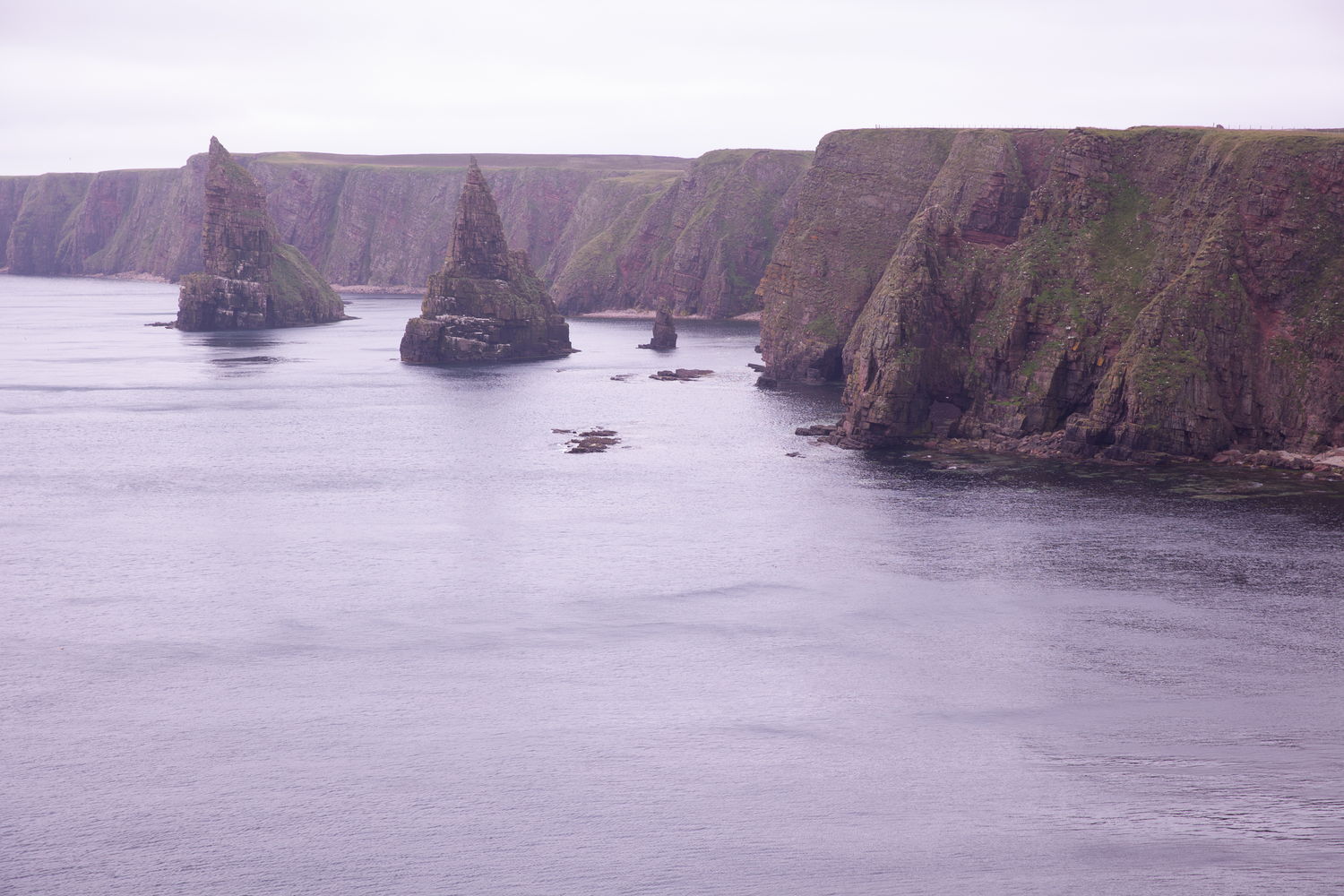
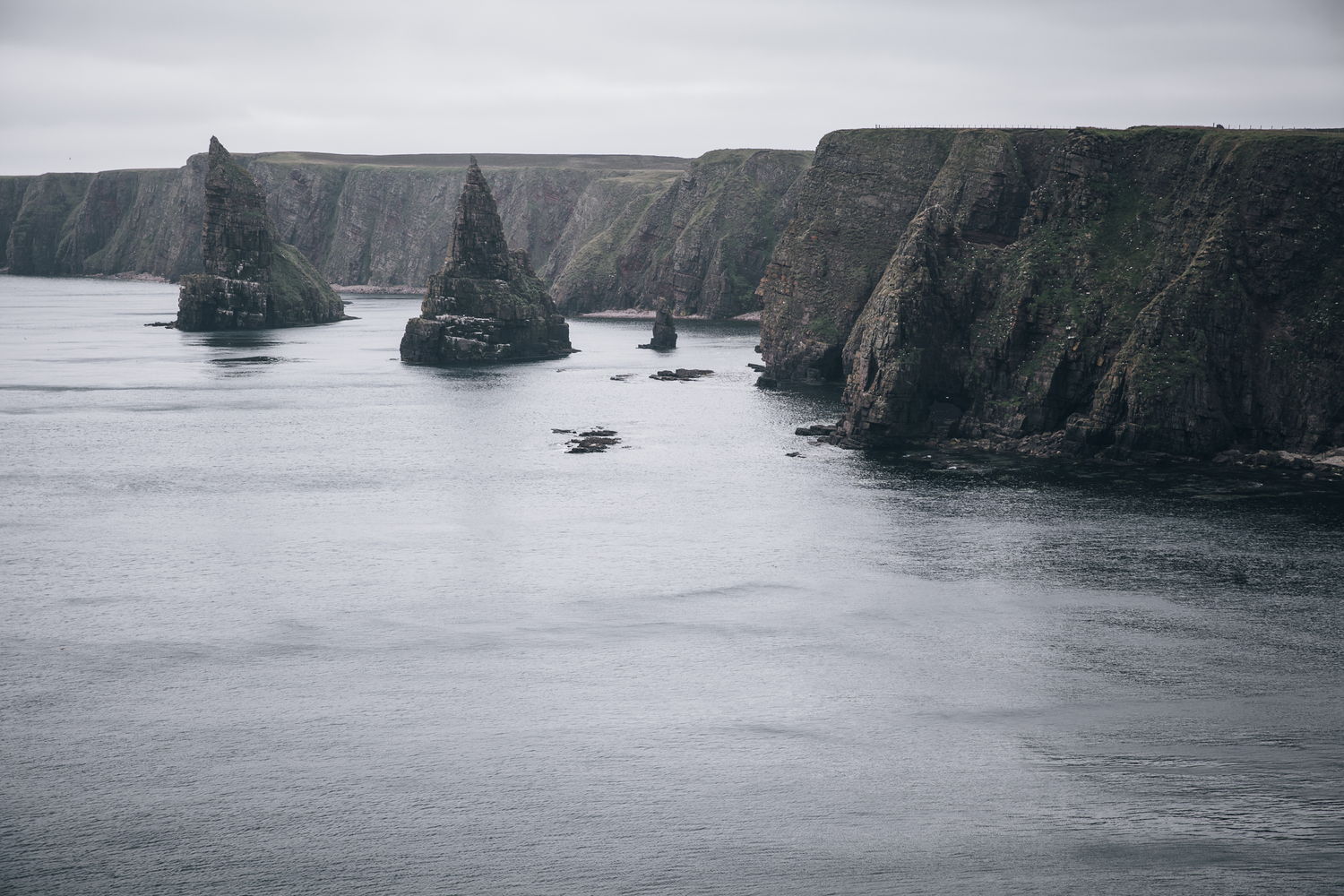
The whole stretch of coast came back magenta - not a colour choice, a tint bias in the raws. Corrected to neutral and then matched across every frame from that shoot, so the set can sit in one gallery without one picture looking like a different day.

Measured
  • a* +8.1 → −0.2
  • chroma −65%
  • contrast +12%
Lake and glacier, gear removed, before
Lake and glacier, gear removed, after

Lake and glacier, gear removed

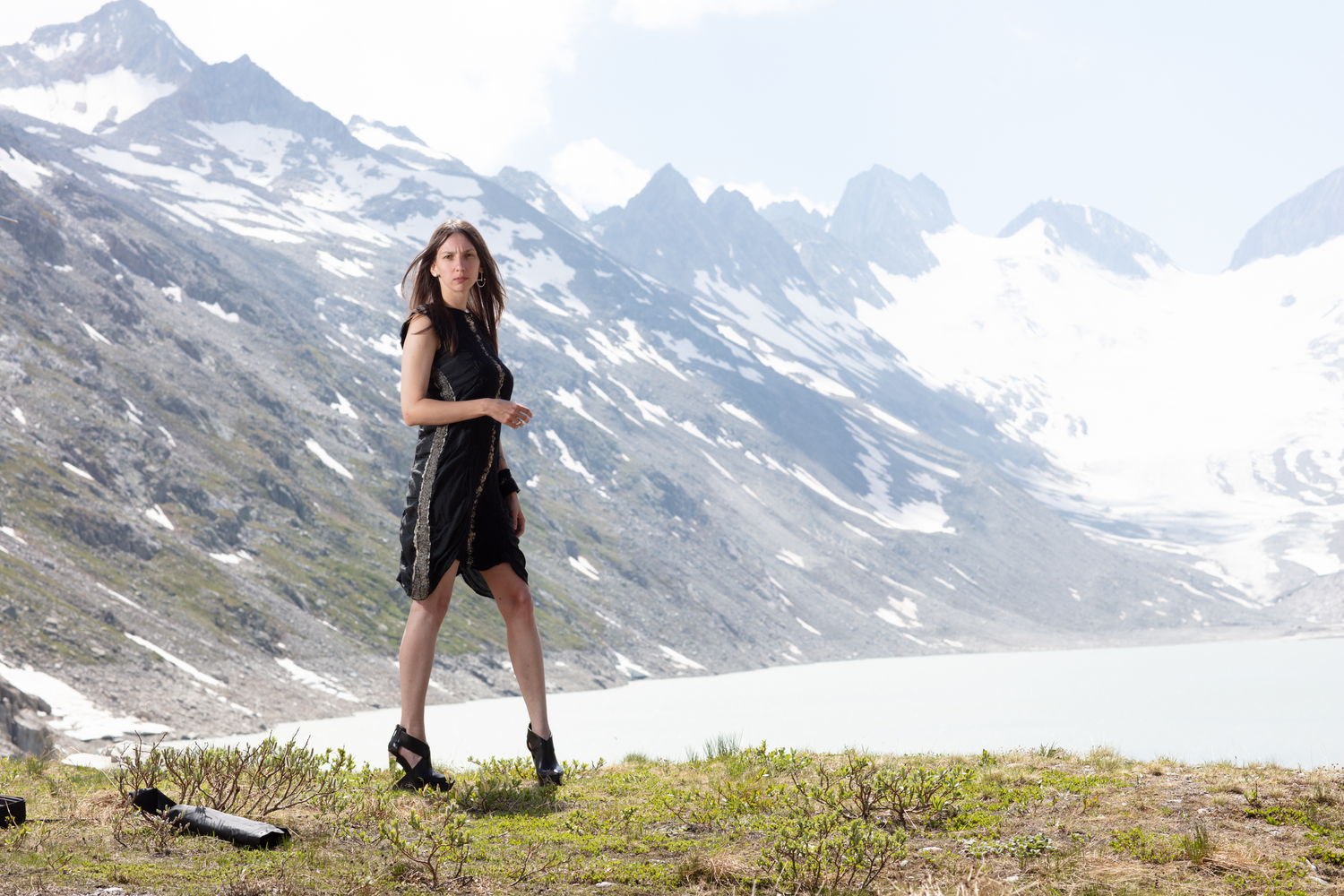
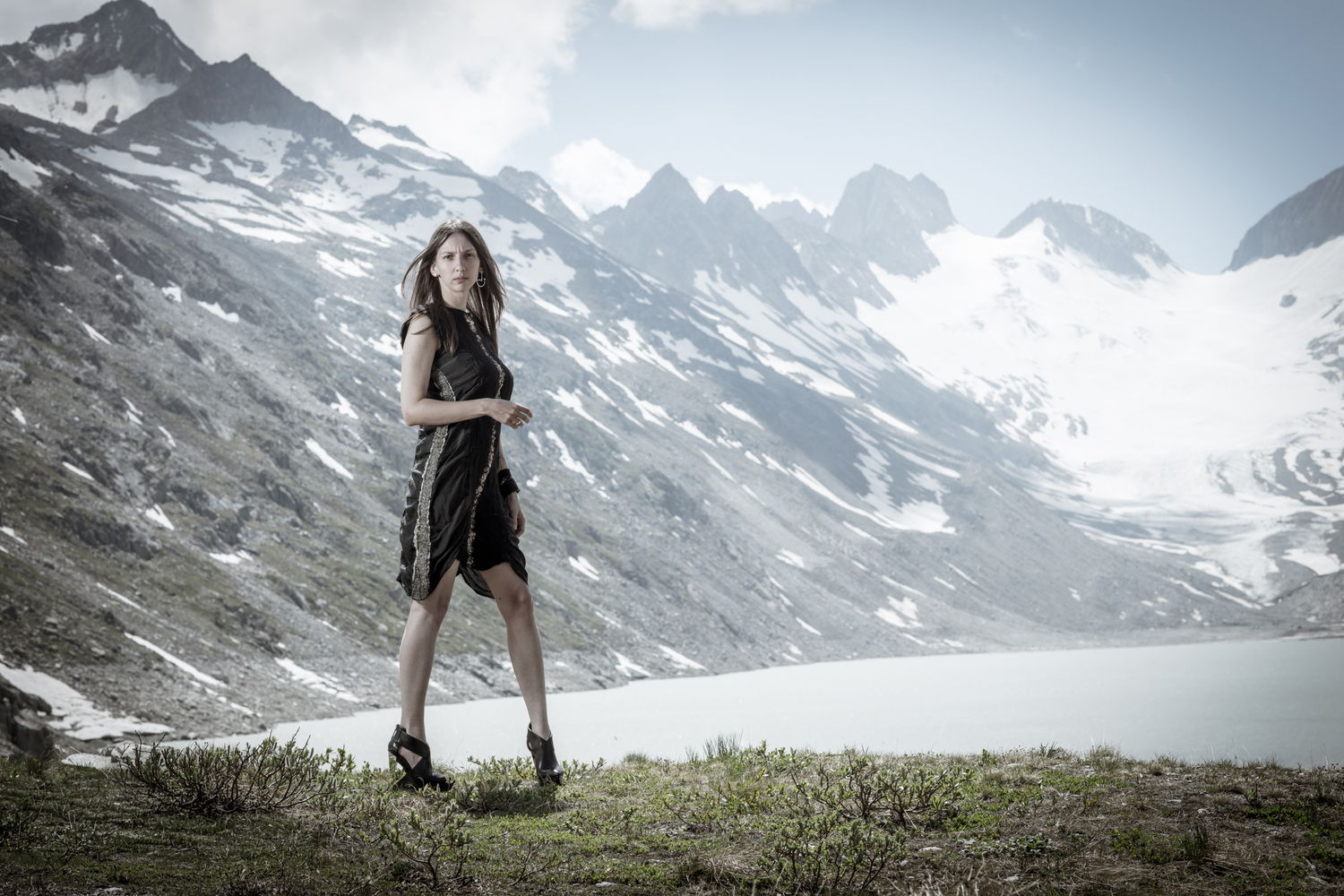
A camera bag and a second black case were lying in the grass at the bottom left. Both removed and the ground rebuilt underneath, then the blown sky recovered and the whole frame taken down so the snowfield stops burning out.

Measured
  • objects removed
  • L̄ 79 → 67
  • contrast +20%
Sandstone cave, before
Sandstone cave, after

Sandstone cave

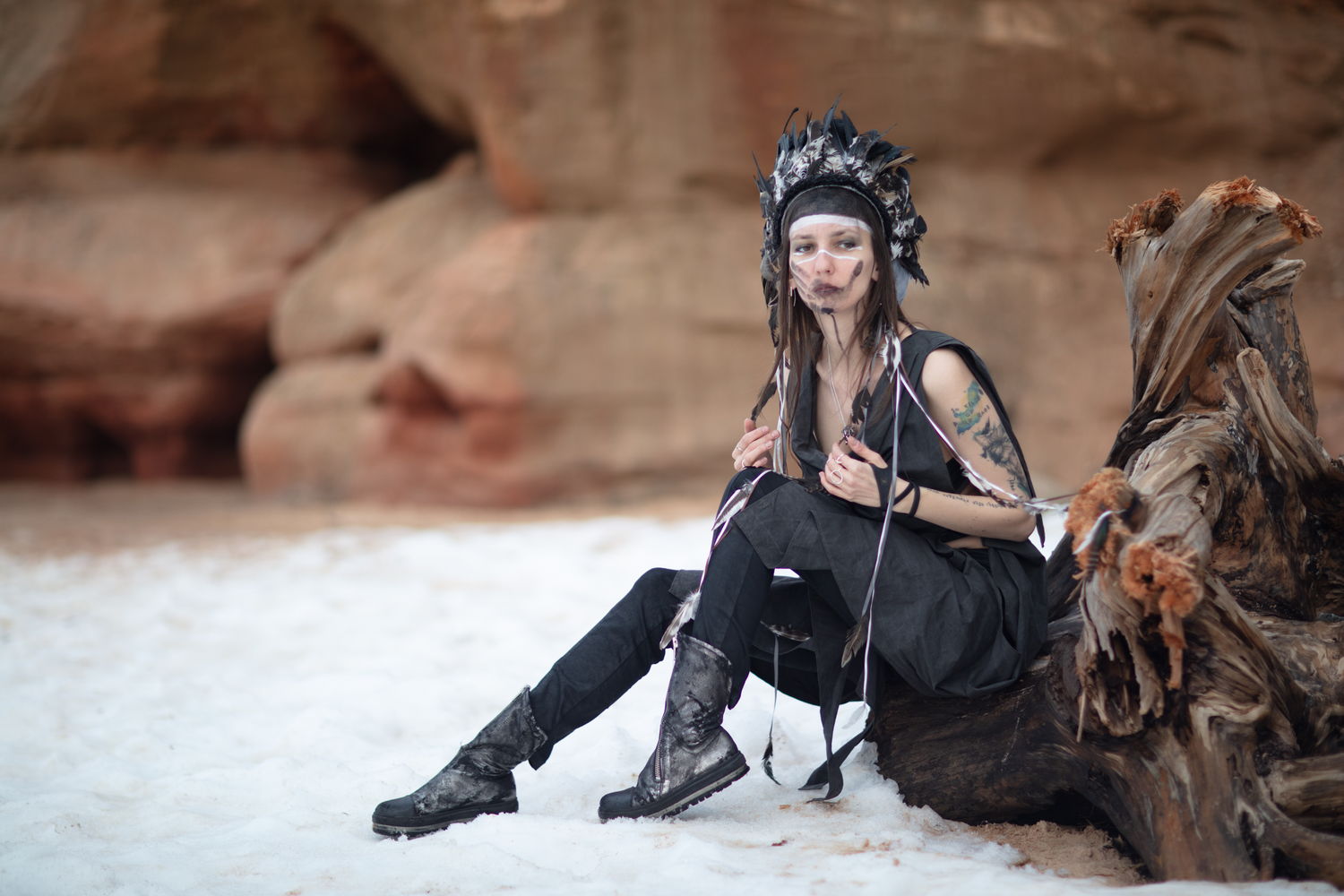
The sandstone was bouncing warm light onto everything, costume included. The grade splits them again - warm wall, cool figure - which is the separation the frame needed and a selection would have faked.

Measured
  • a* +6.0 → +1.1
  • chroma −49%
  • contrast +11%
§03

Colour casts and mixed light

The most common thing a full take comes back with: a tint bias over every single raw, or two light sources that refuse to agree. On one frame it is two minutes of work. Across a hundred it is the whole job, because the correction has to be the same correction or the set stops looking like one set. a* below is the green-magenta axis, which is what a cast actually is.
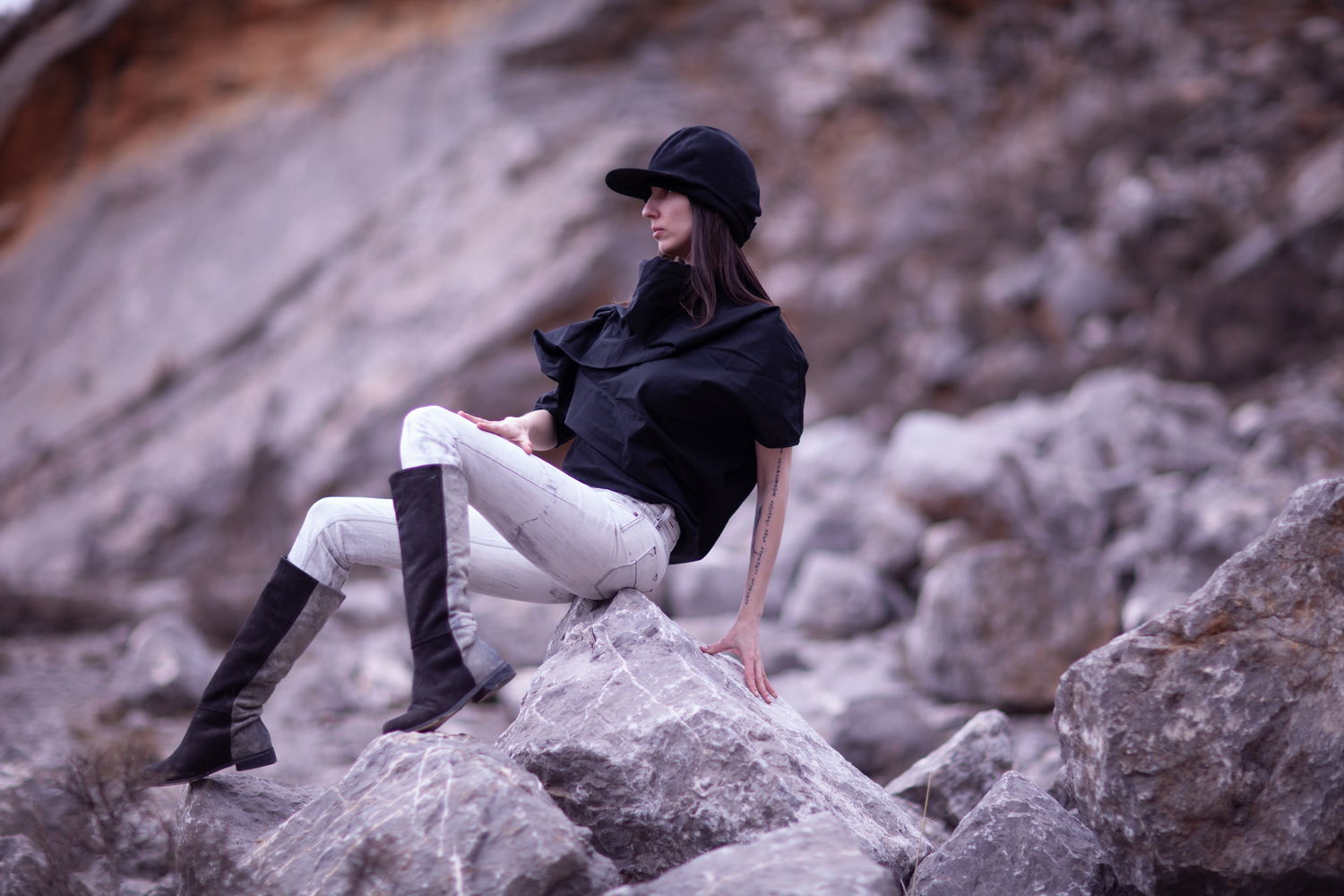
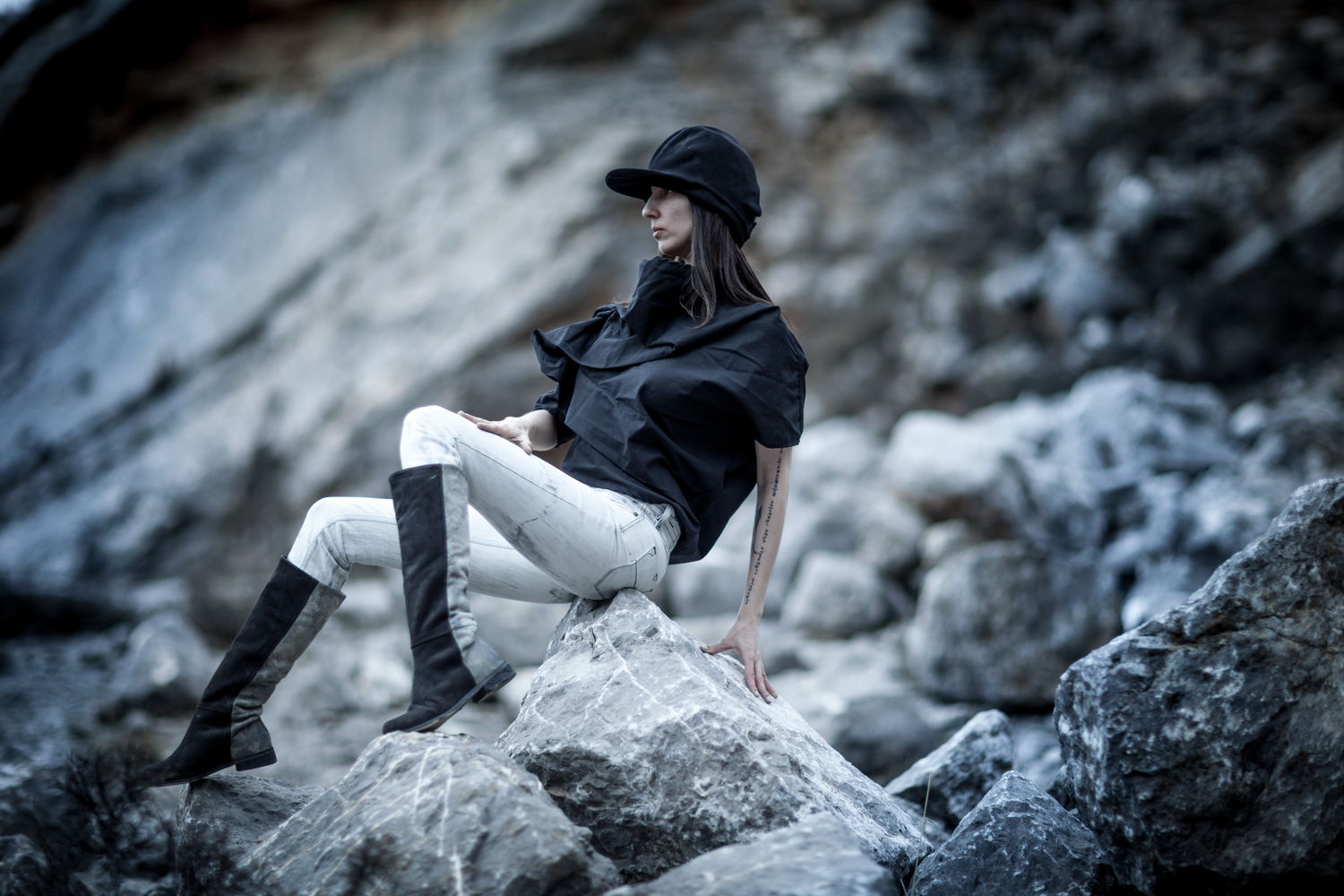
Rocks, riding coat, before
Rocks, riding coat, after

Rocks, riding coat

The strongest magenta cast in this part of the take and the easiest to see it go: the stone comes back grey, the white trousers come back white, and the contrast lift is what gives the rock its texture again.

Measured
  • no crop
  • a* +10.2 → −1.6
  • contrast +25%
Painted houses, coastal, before
Before
Painted houses, coastal, after
After

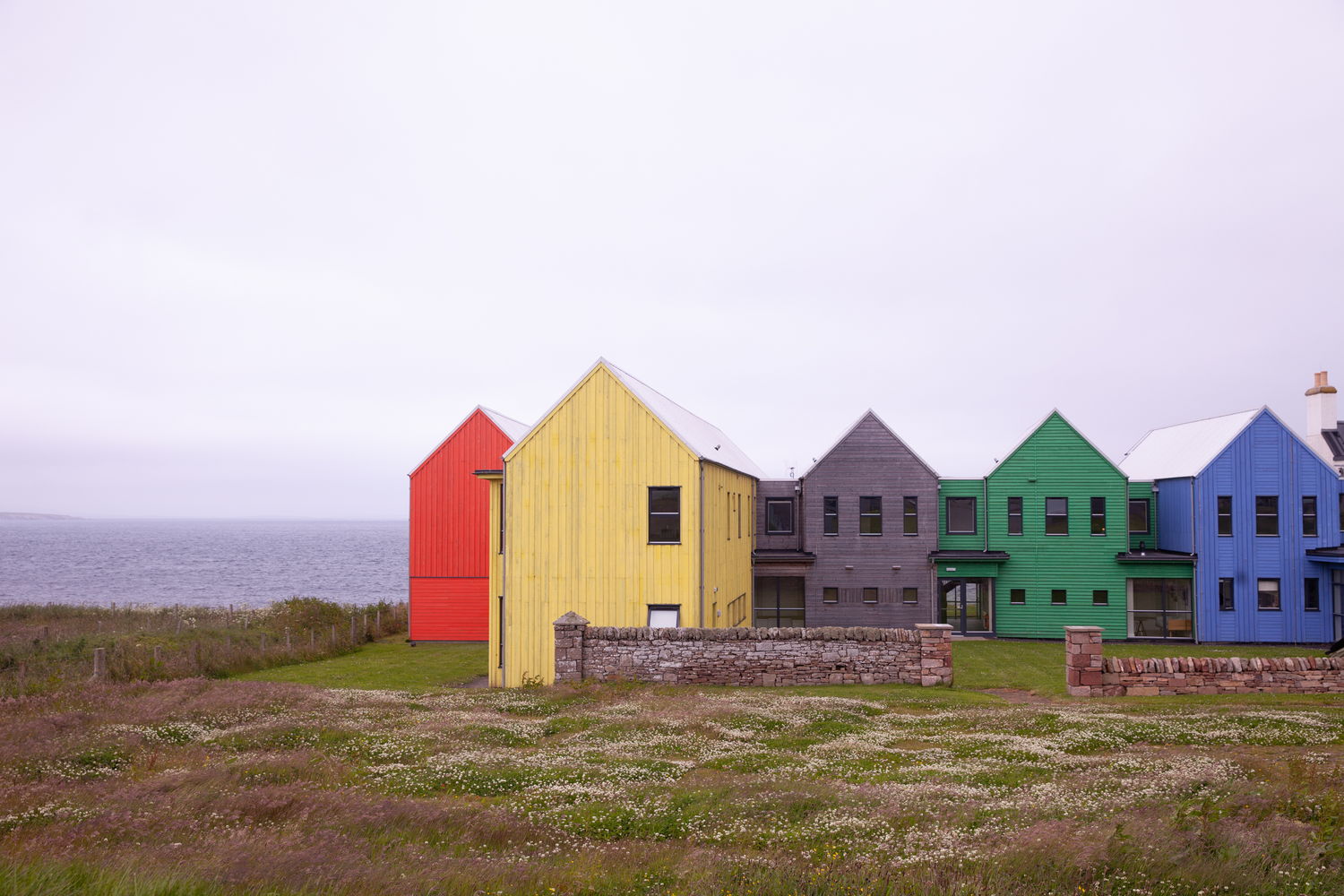
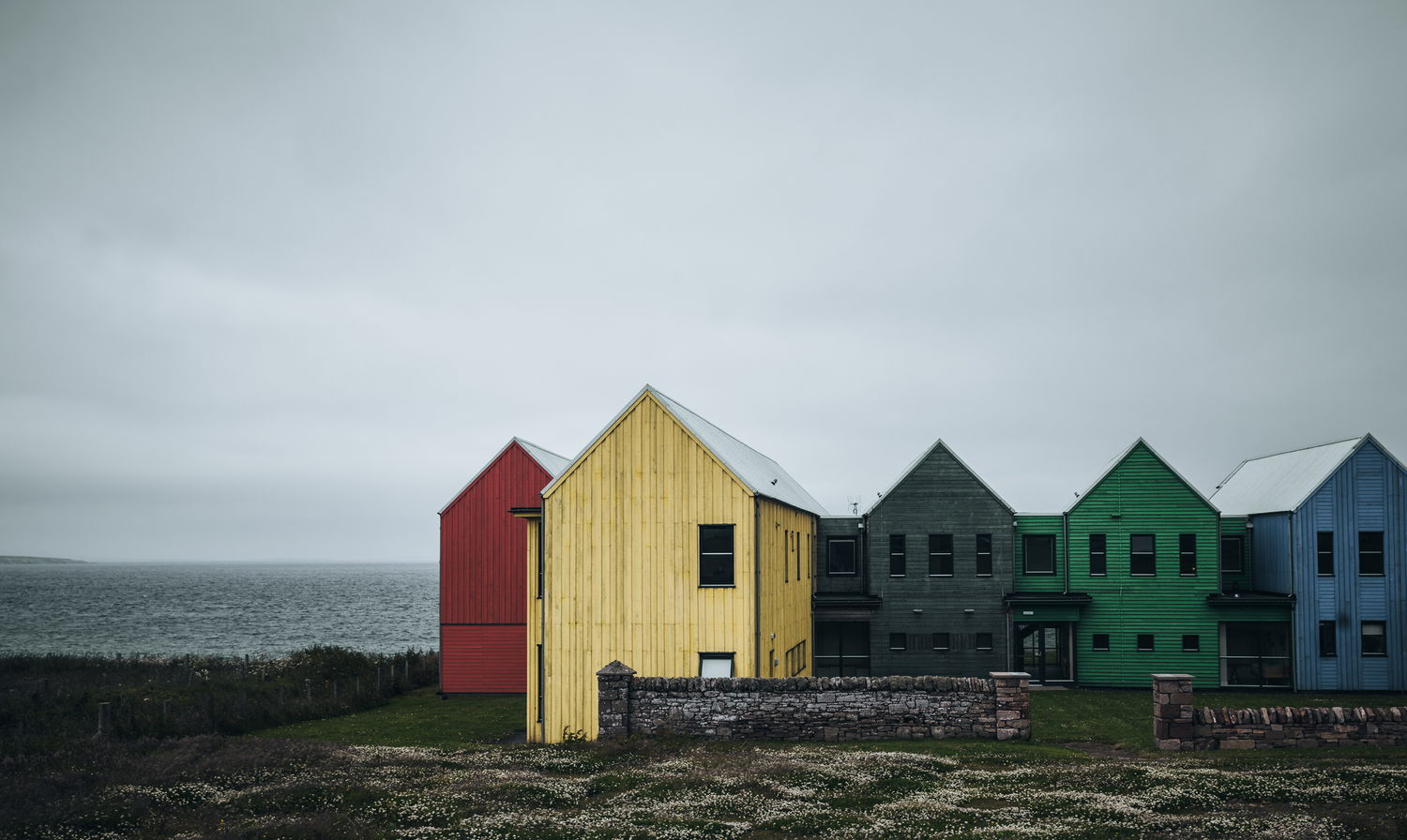
Painted houses, coastal

Painted houses are the whole subject, so the cast had to come off without taking the paint with it. Neutral sky and grass, saturation held only where the buildings are.

Measured
  • 3:2 → 5:3
  • a* +4.7 → −2.9
  • chroma −47%
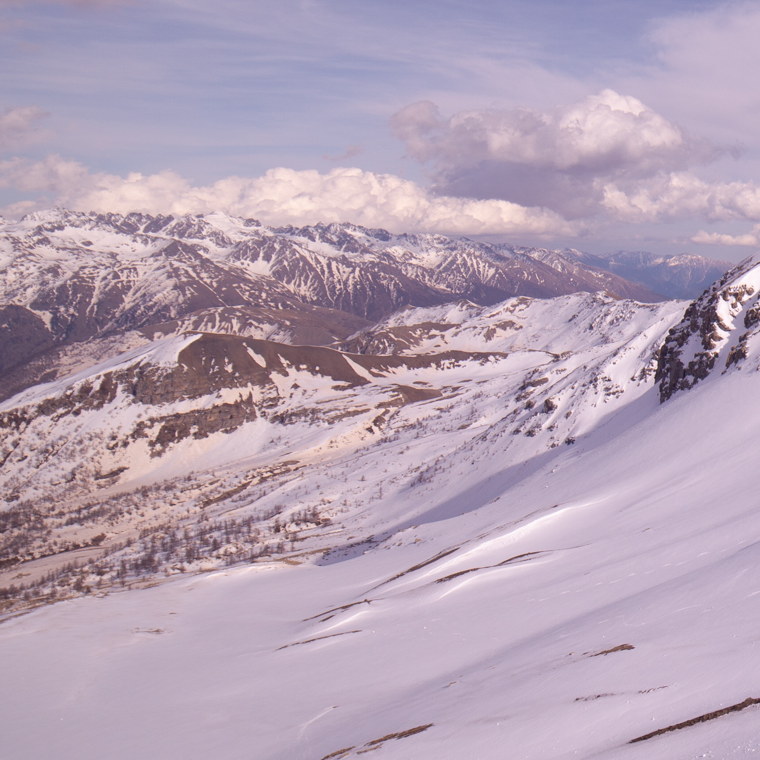
Spring snow, before
Spring snow, after

Spring snow

Snow is the hardest surface to white-balance: it takes the cast and shows it everywhere at once. Corrected against the snow, then the rock wall warmed back by hand so the frame keeps two temperatures instead of one.

Measured
  • a* +8.3 → +2.4
  • chroma −59%
Pass road into cloud, before
Pass road into cloud, after

Pass road into cloud

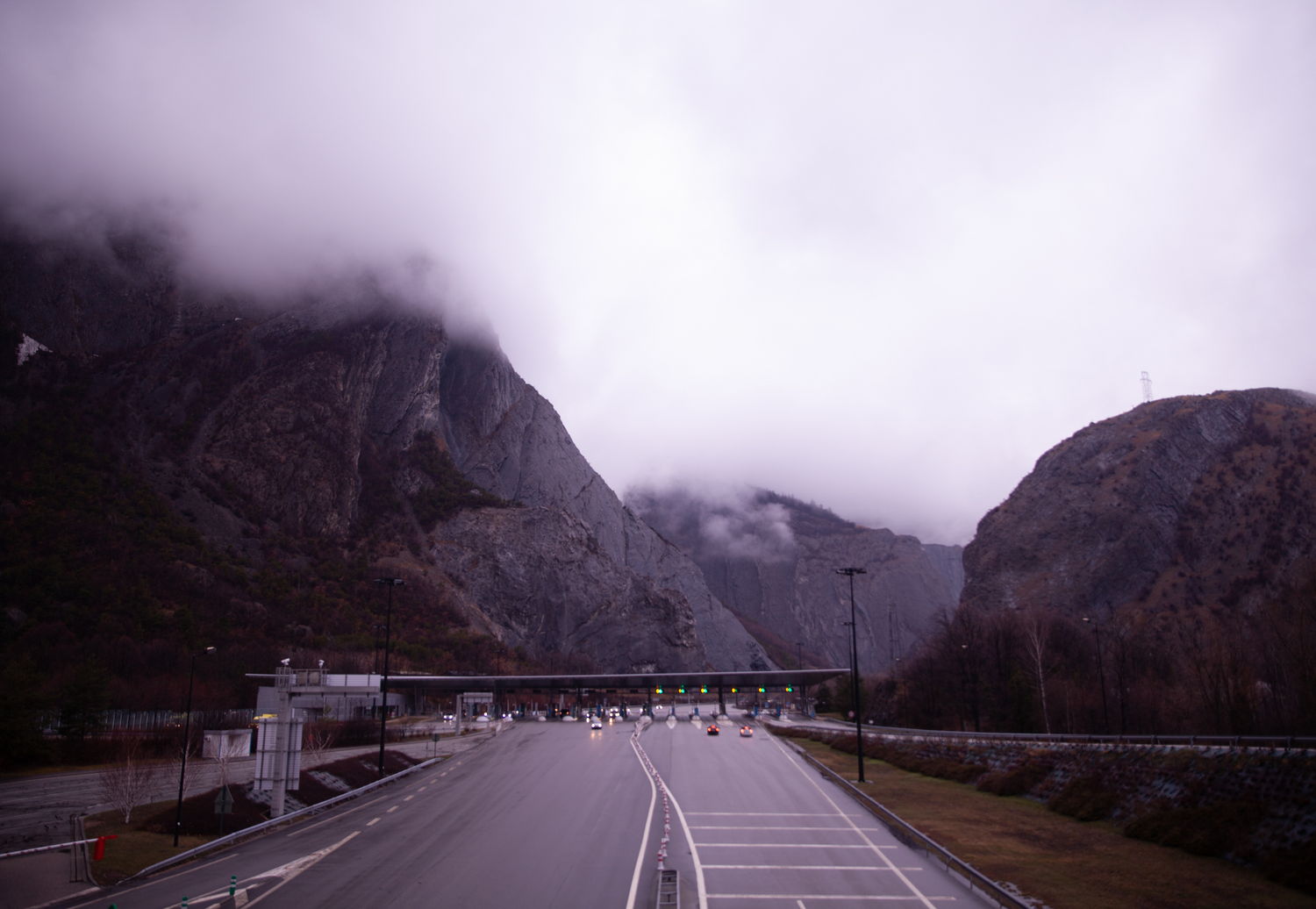
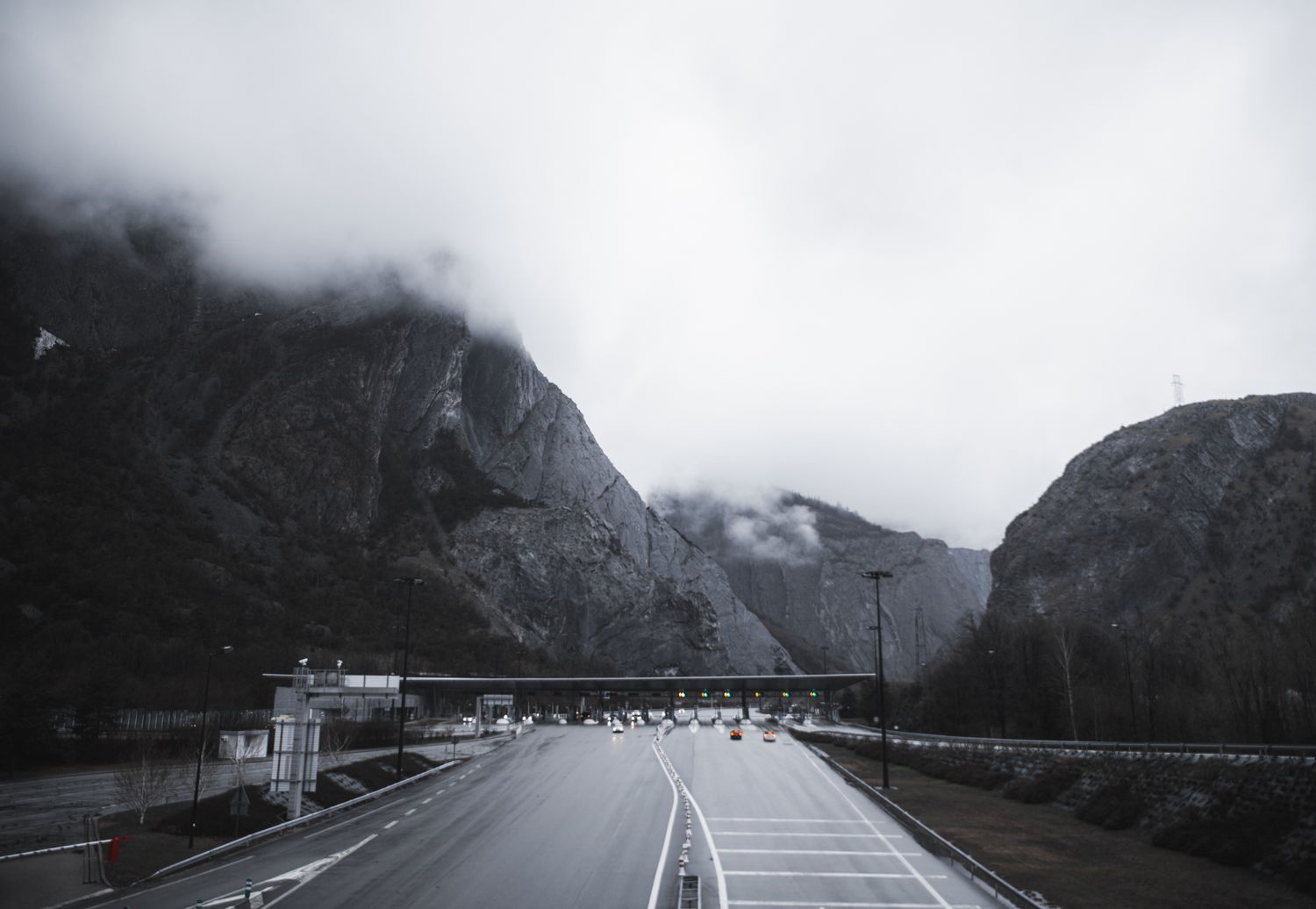
The cast was doing the most damage here because the whole frame is cloud, and cloud has nowhere to hide a tint. Neutralised, then the road held slightly brighter than the fog so there is still somewhere for the eye to go.

Measured
  • a* +7.2 → +0.3
  • chroma −74%
Cracked flats, before
Cracked flats, after

Cracked flats

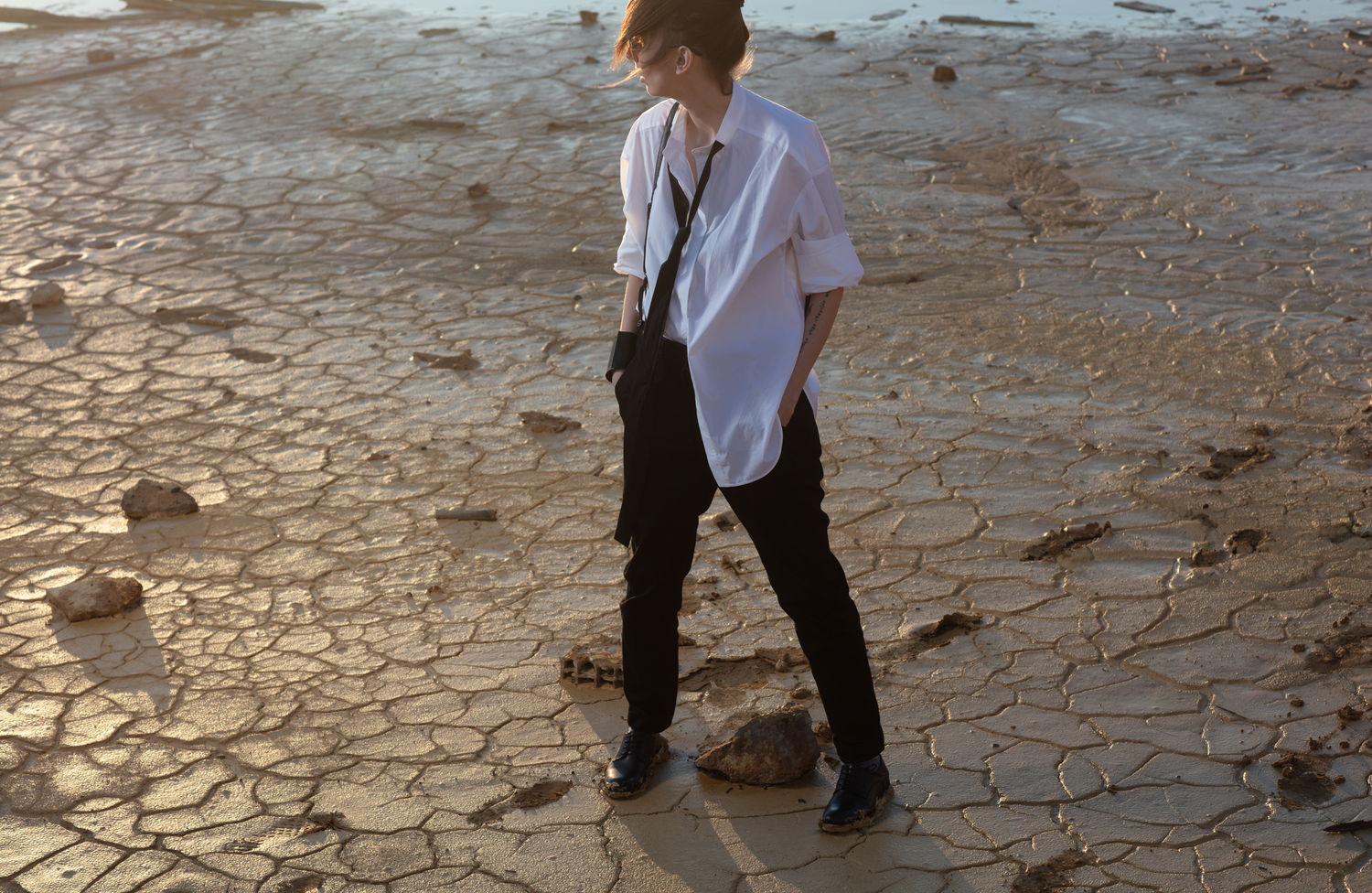
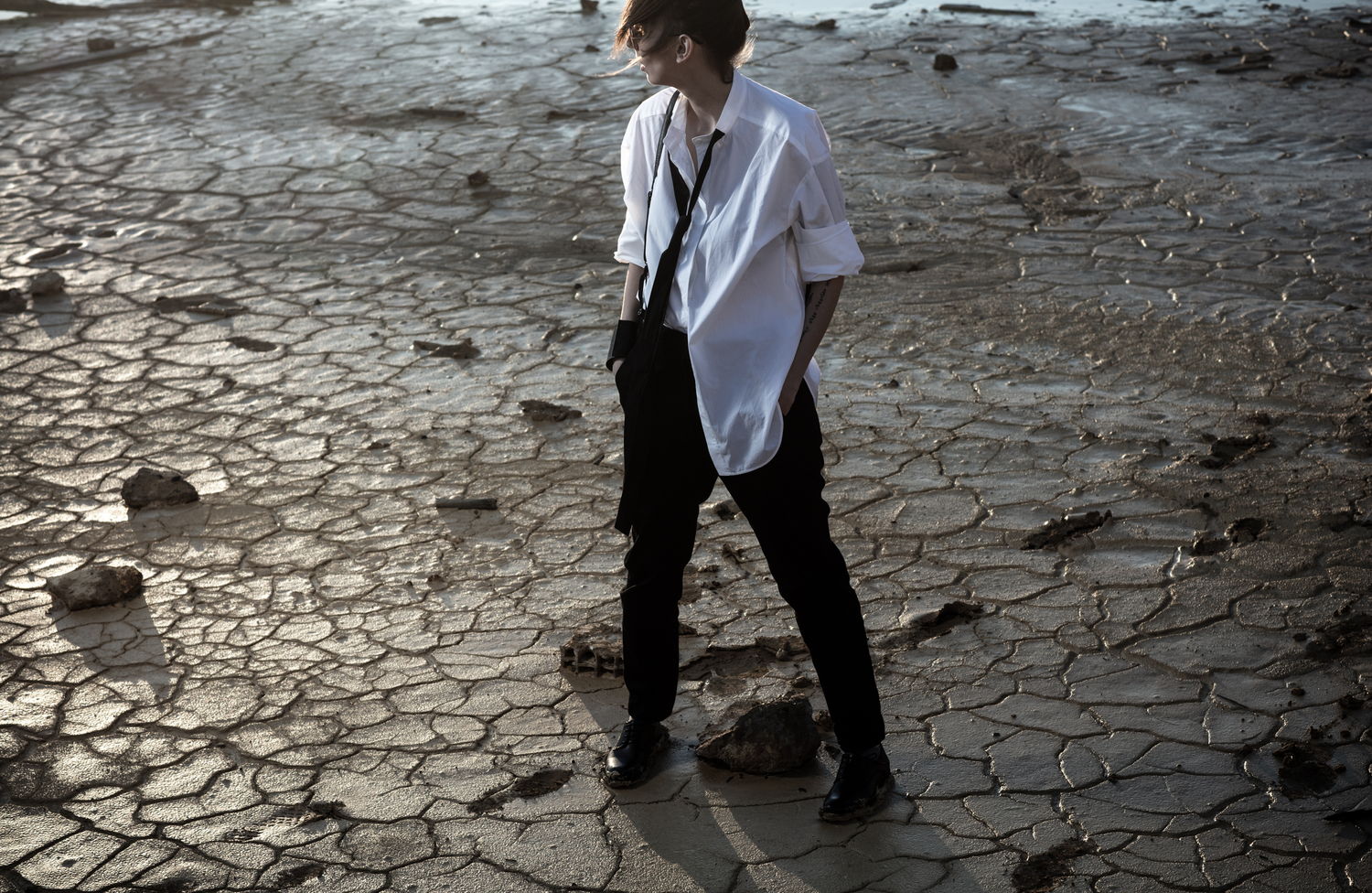
Flat light on cracked mud with a warm-magenta cast over both. The correction is what lets the cracks read as texture instead of noise.

Measured
  • b* +7.9 → +2.8
  • chroma −54%
  • contrast +26%
North face, high cloud, before
Before
North face, high cloud, after
After

North face, high cloud

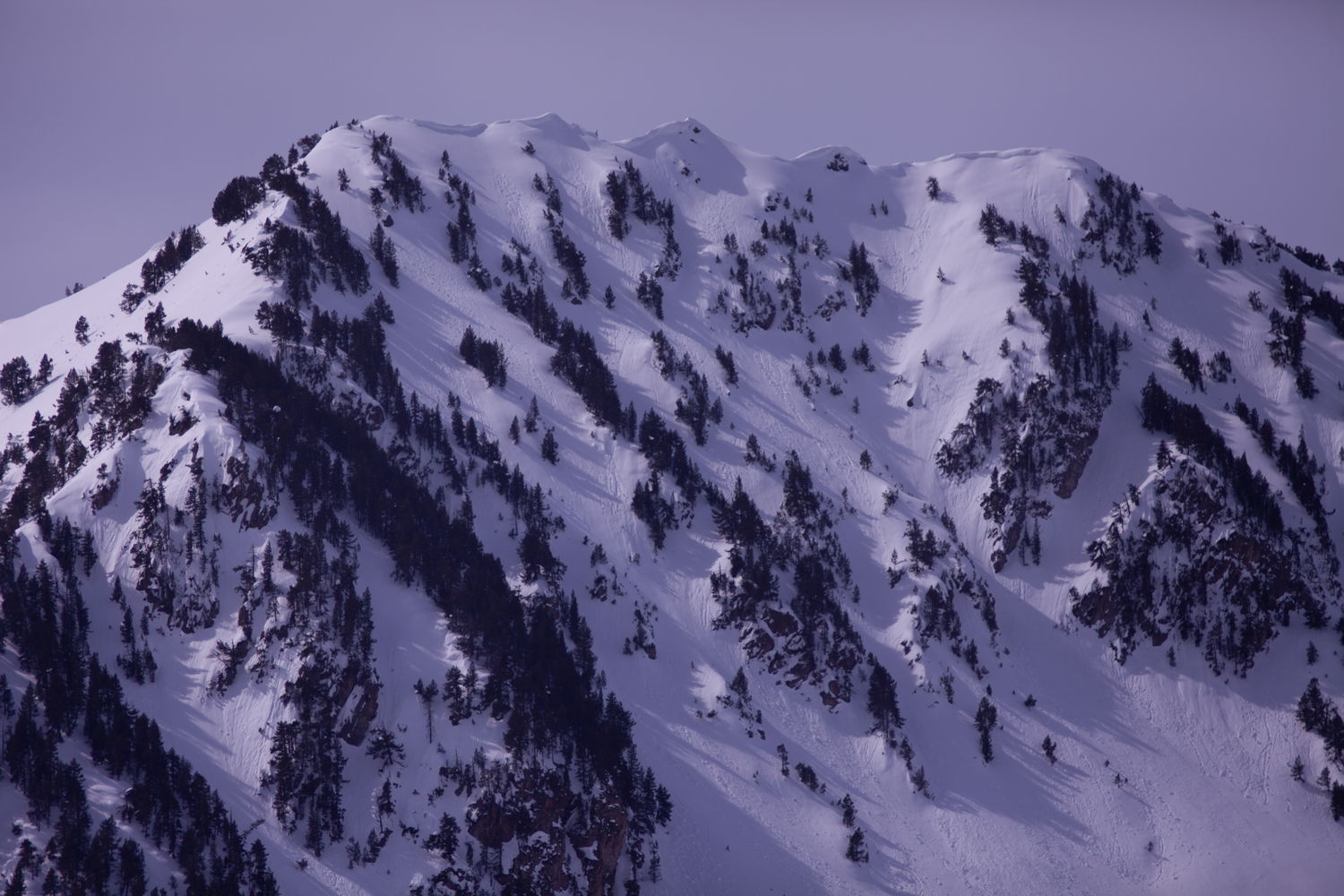
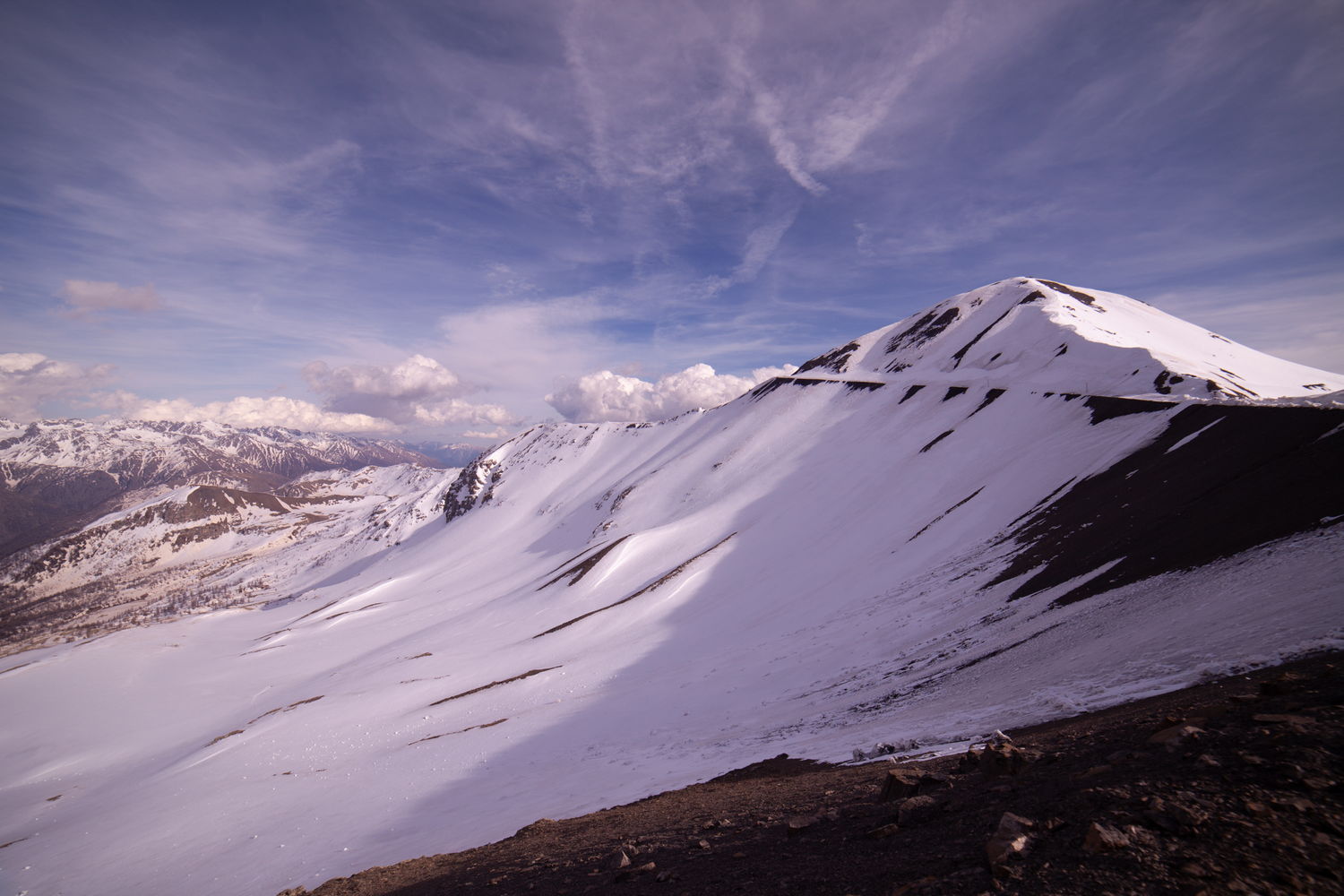
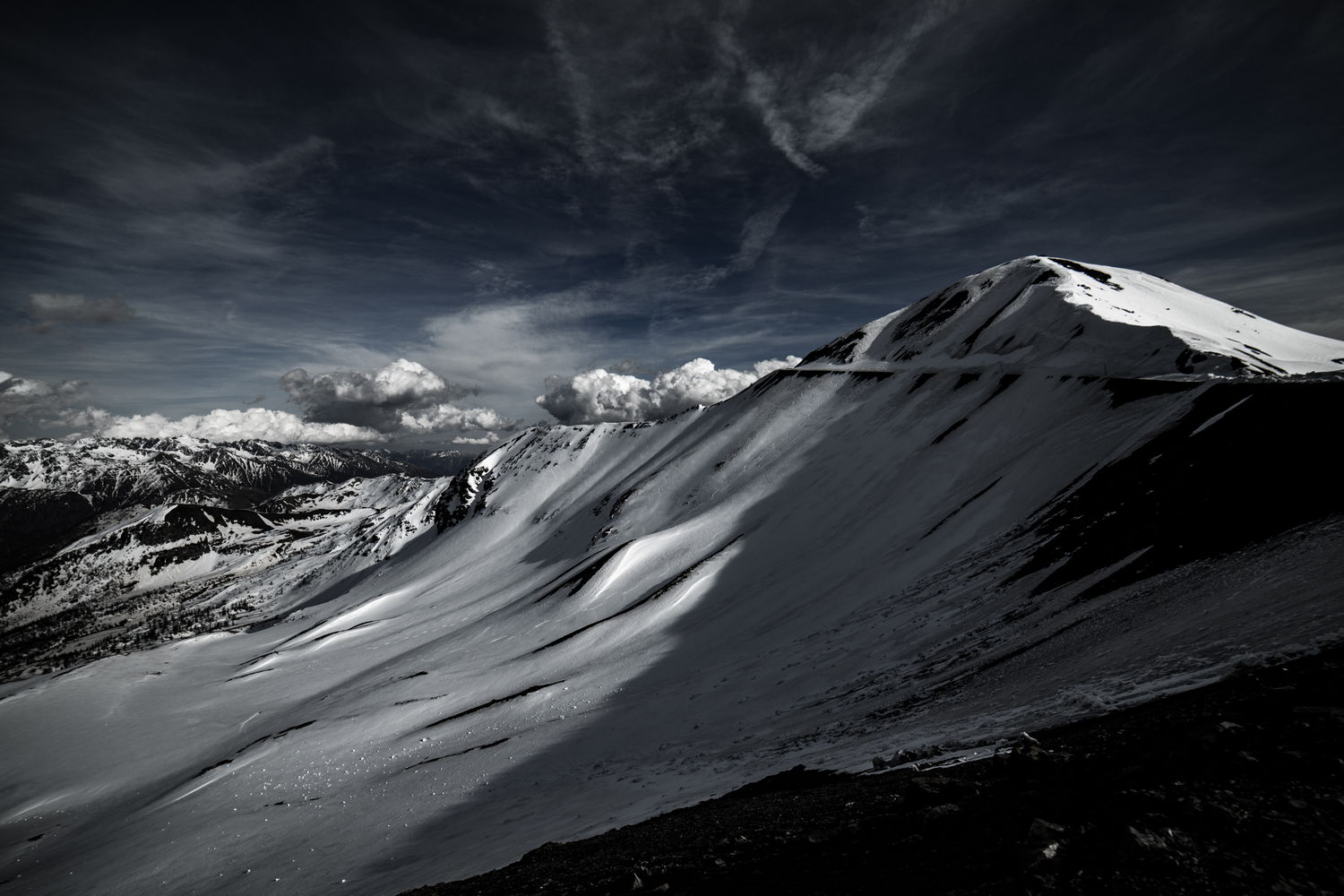
The strongest cast in the take - the snow was coming back lilac. Neutralised, recropped to vertical for the ridgeline, and the trees pulled down so they stop competing with the couloirs.

Measured
  • 3:2 → 1:1.55
  • a* +11.0 → +0.5
  • chroma −78%
Parking structure, night, before
Parking structure, night, after

Parking structure, night

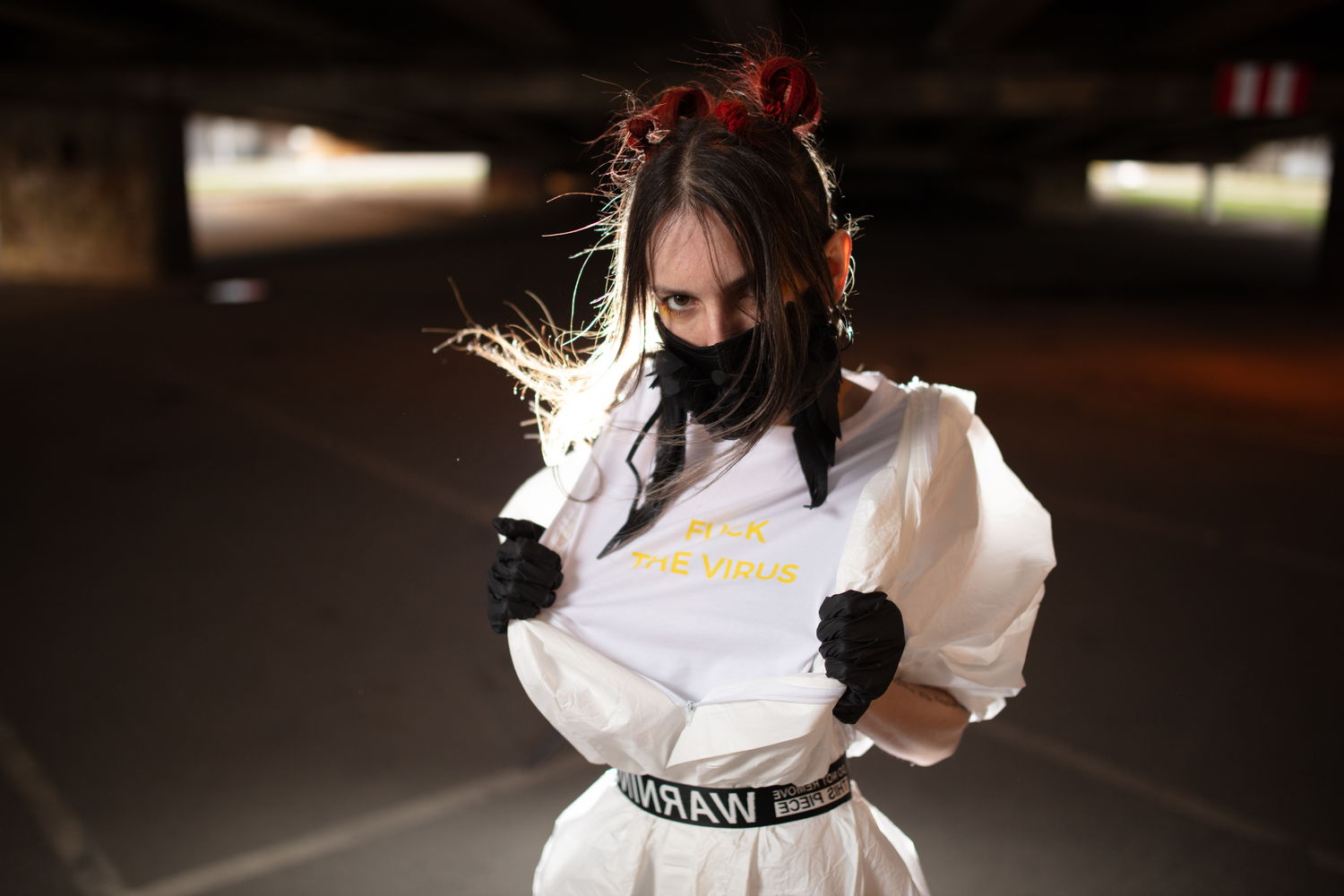
Mixed sodium and fluorescent, nothing neutral in the frame to balance against. Balanced on the white garment instead, then the concrete cooled until the two light sources agree.

Measured
  • a* +3.8 → −4.0
  • L̄ 25 → 31
§04

Portraits on location

Available light, no studio, no strobes. Subjects are separated from their backgrounds with exposure and colour rather than selections - slower to do, and much harder for anyone to spot afterwards. Beauty and skin retouching is its own specialisation and stays with a specialist. This is the image as a whole: colour, light, separation and finish.
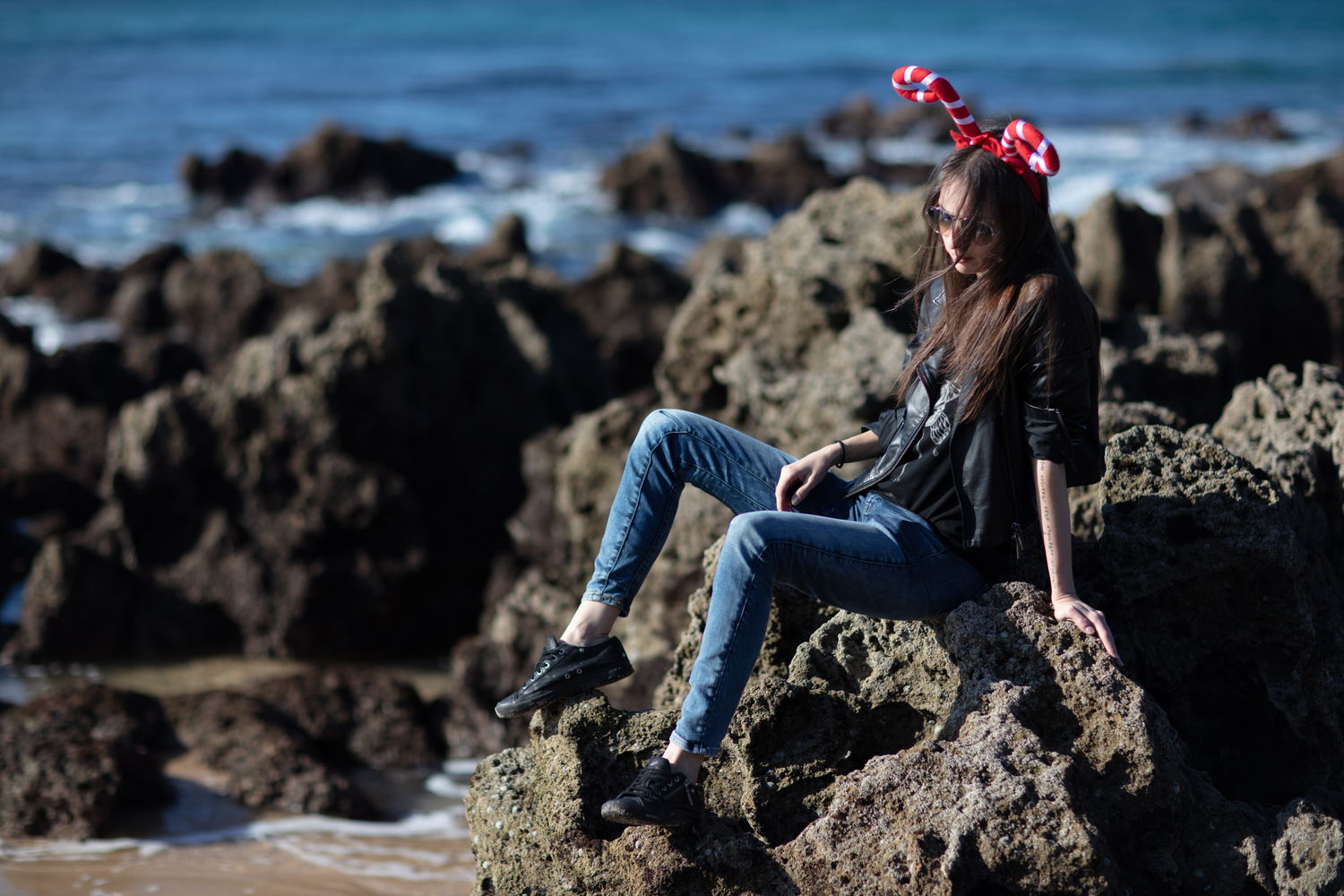
Rocks and surf, uncropped, before
Rocks and surf, uncropped, after

Rocks and surf, uncropped

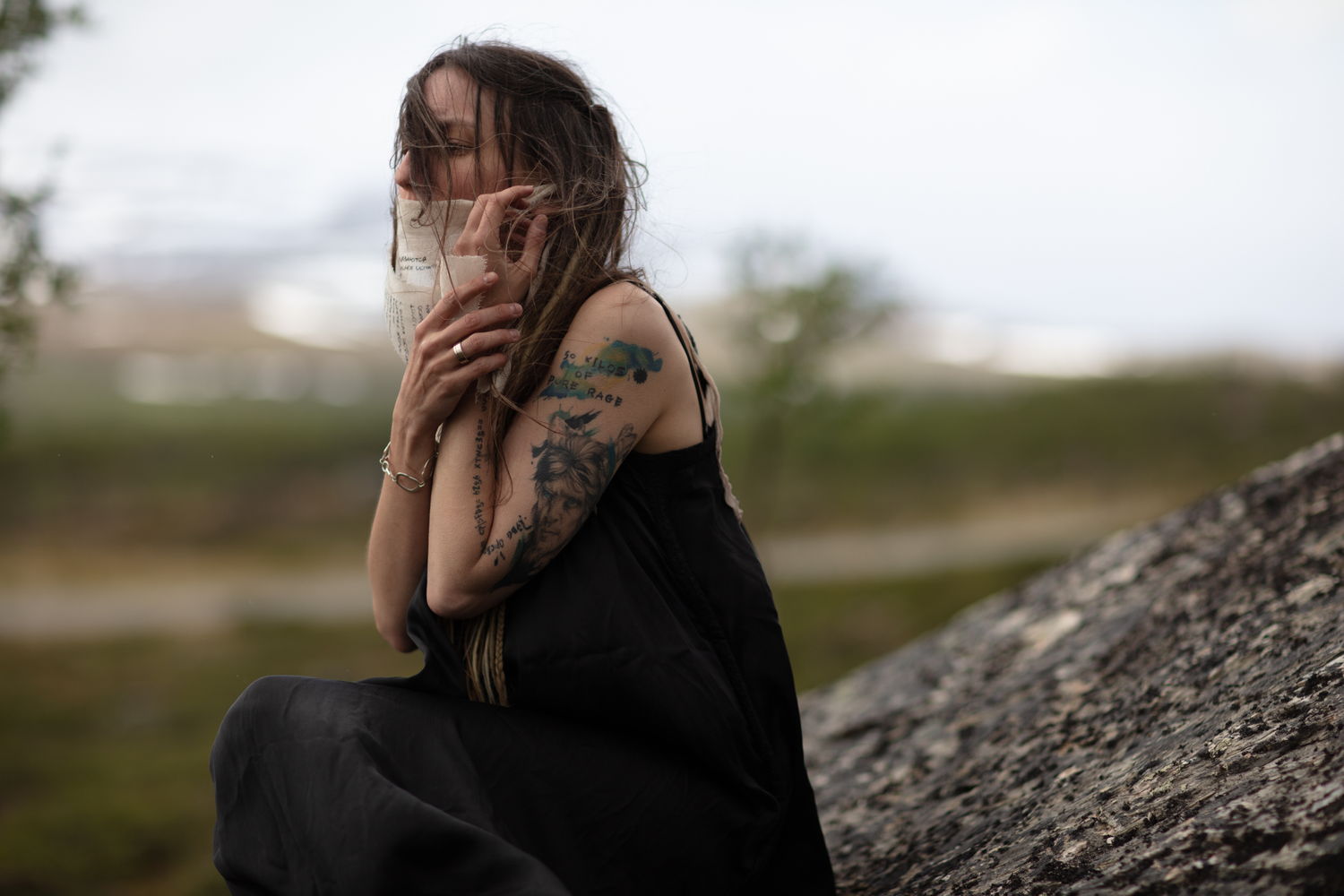
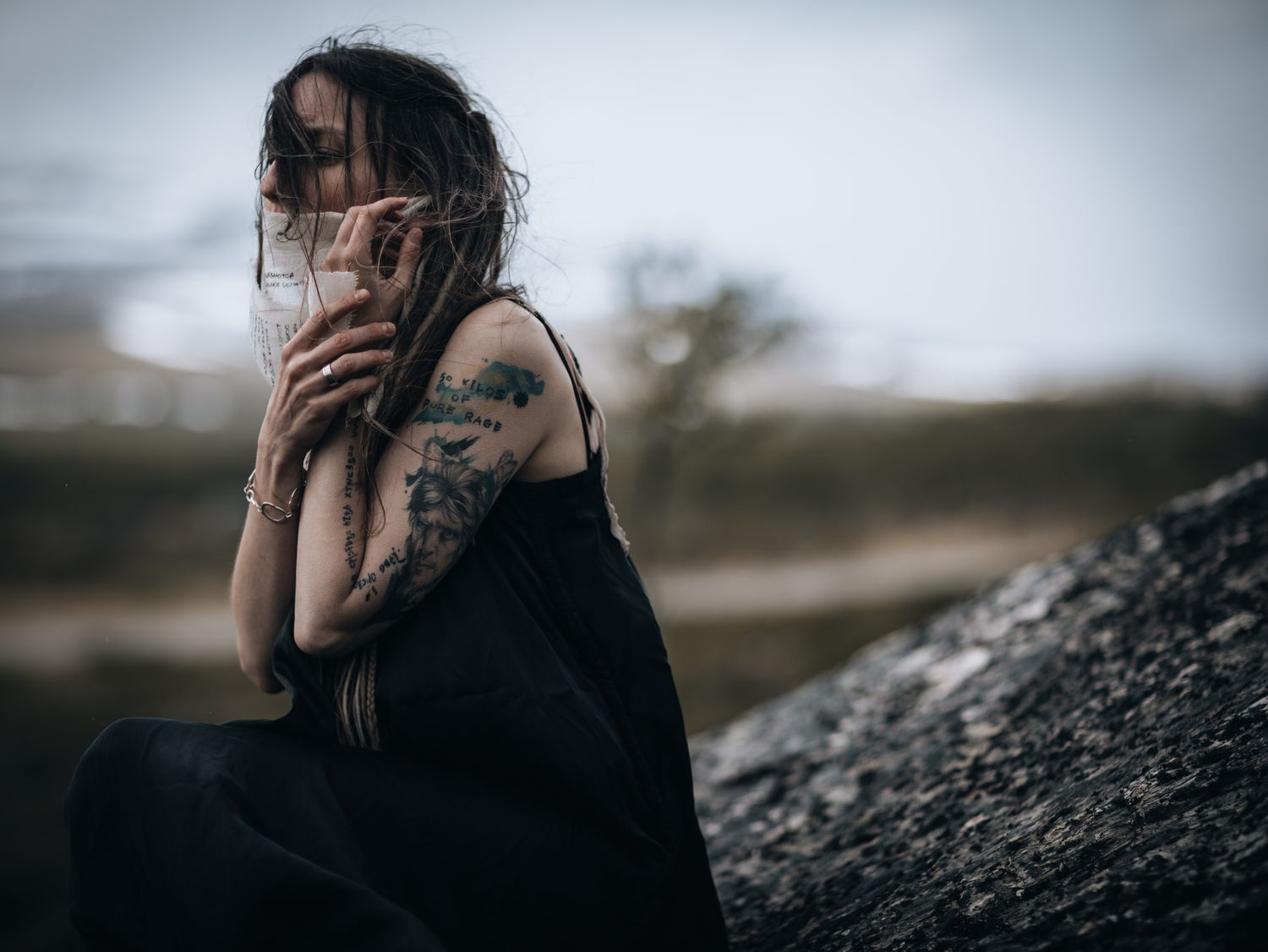
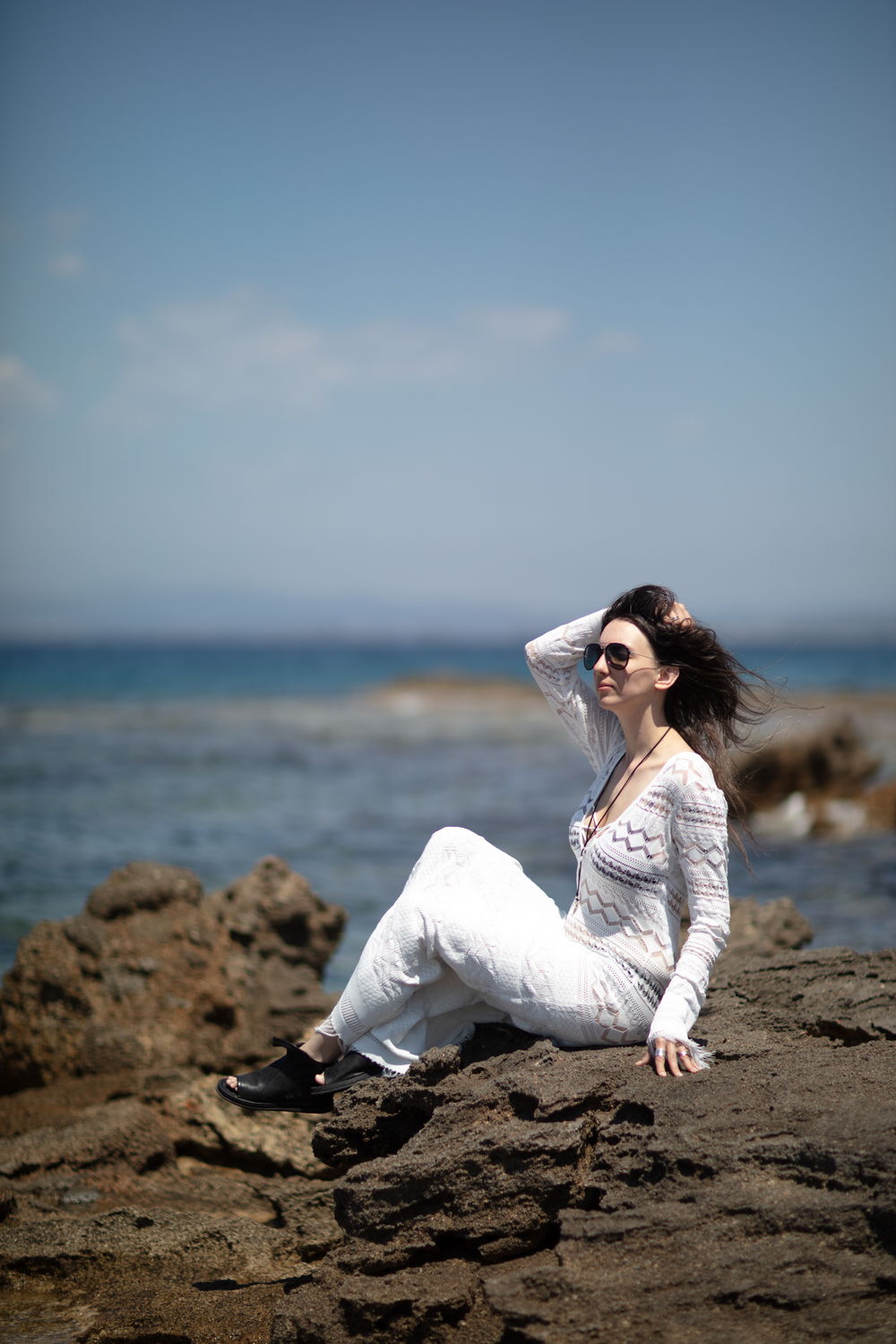
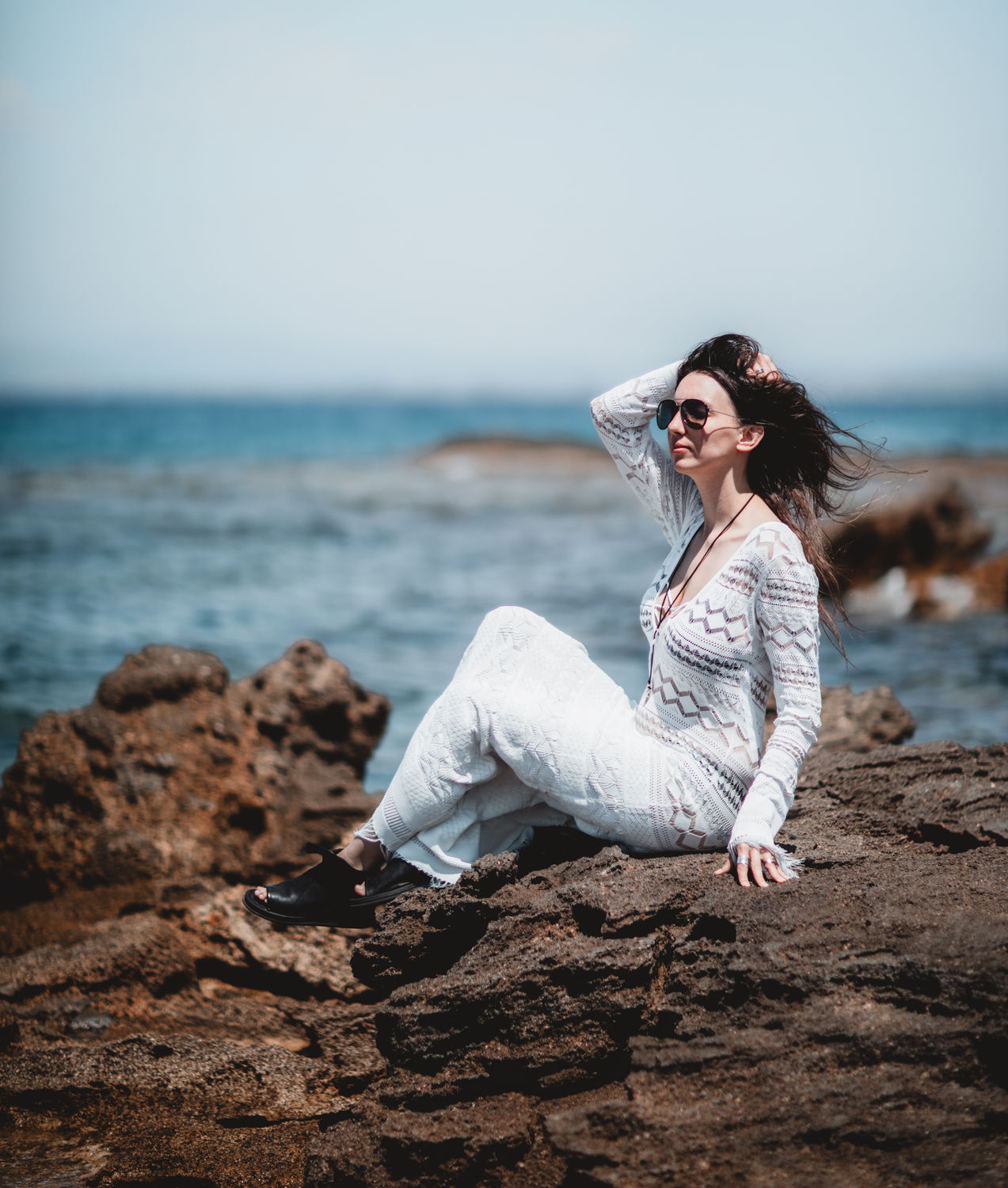
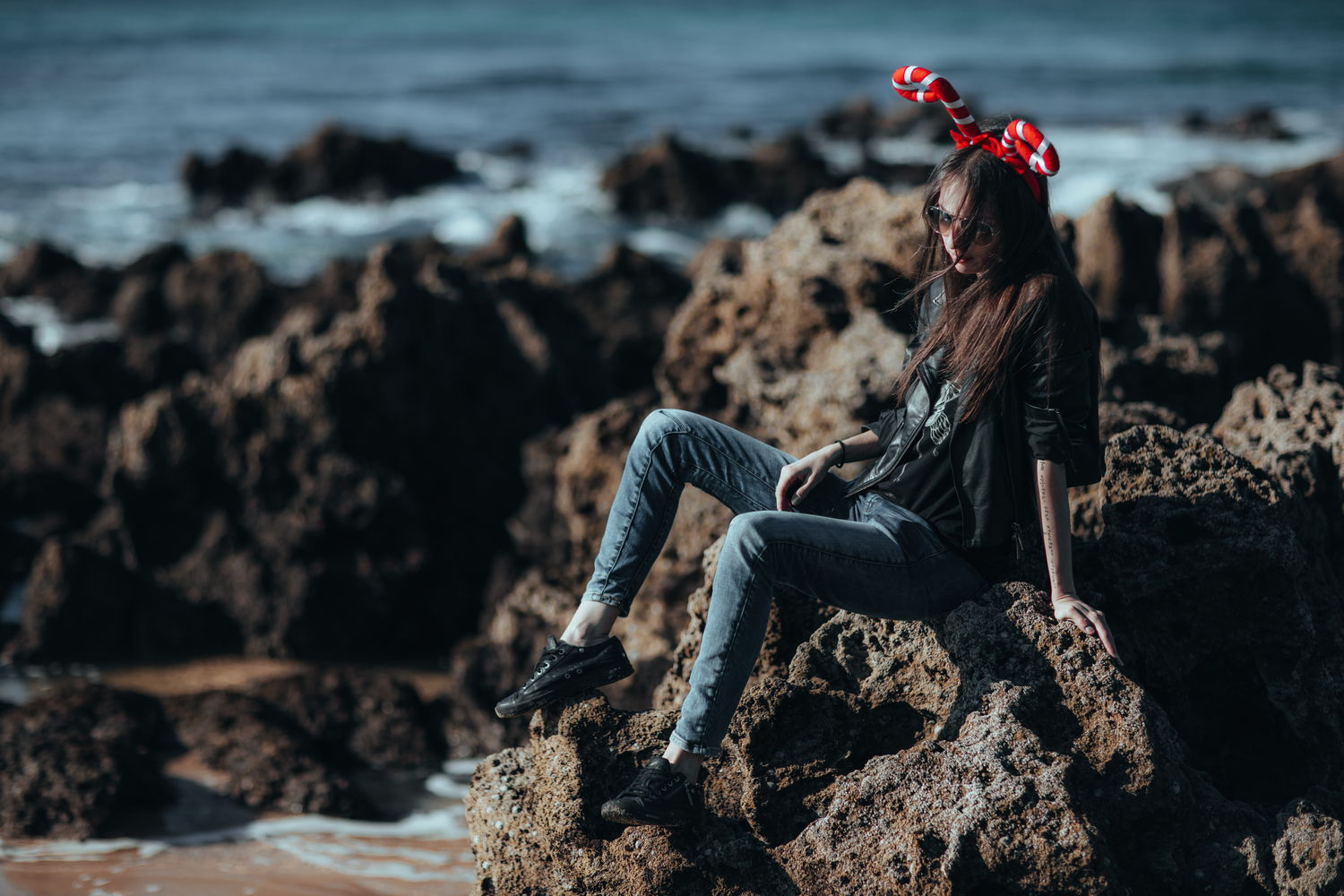
Nothing moved, nothing cropped - the frame was already right. Blue pulled out of the rock, the surf held back from clipping, and the subject warmed about half a stop so she separates from a background that is the same tonal range as she is.

Measured
  • no crop
  • a* +0.6 → −1.0
  • chroma −29%
Umbrella in the fog, before
Umbrella in the fog, after

Umbrella in the fog

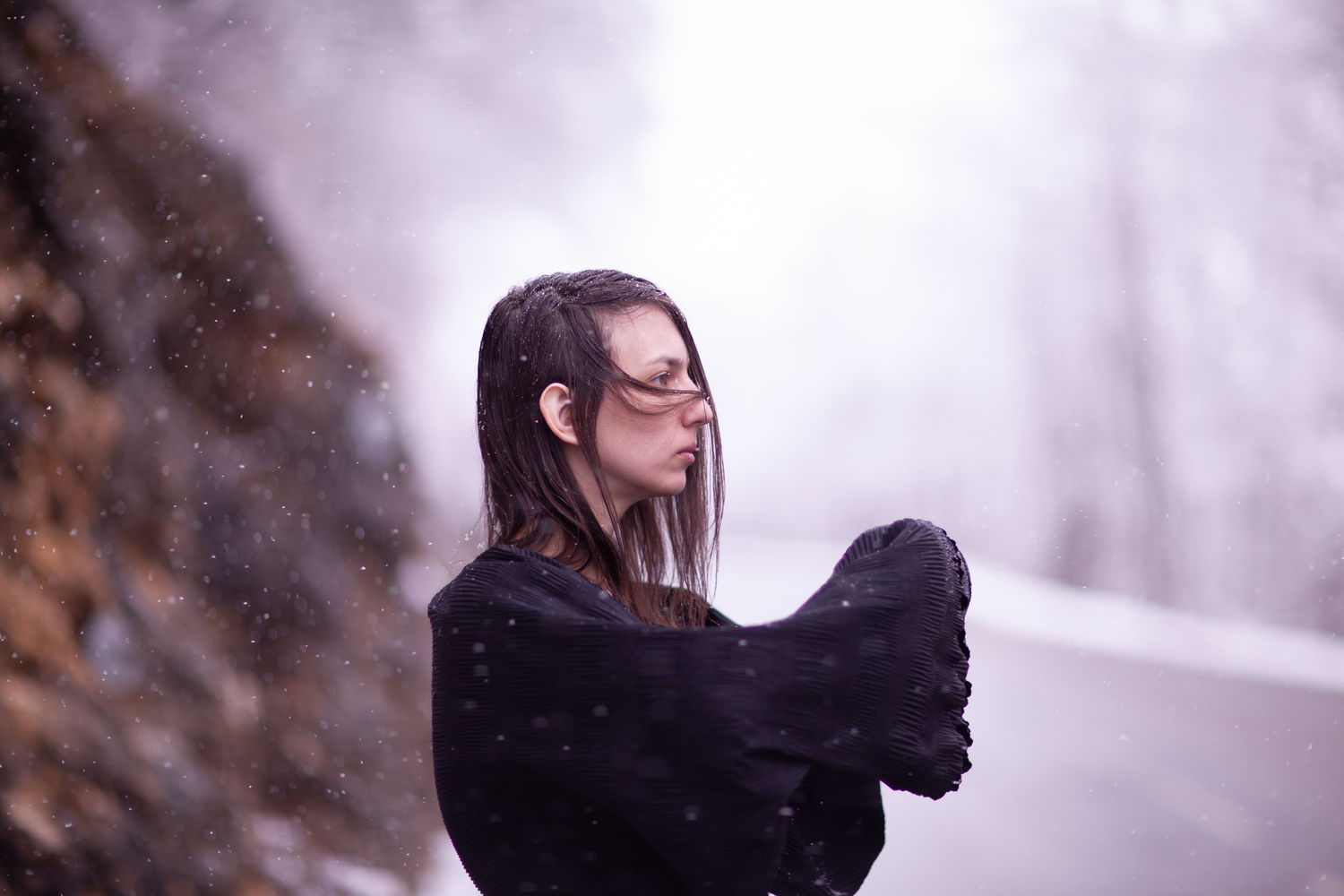
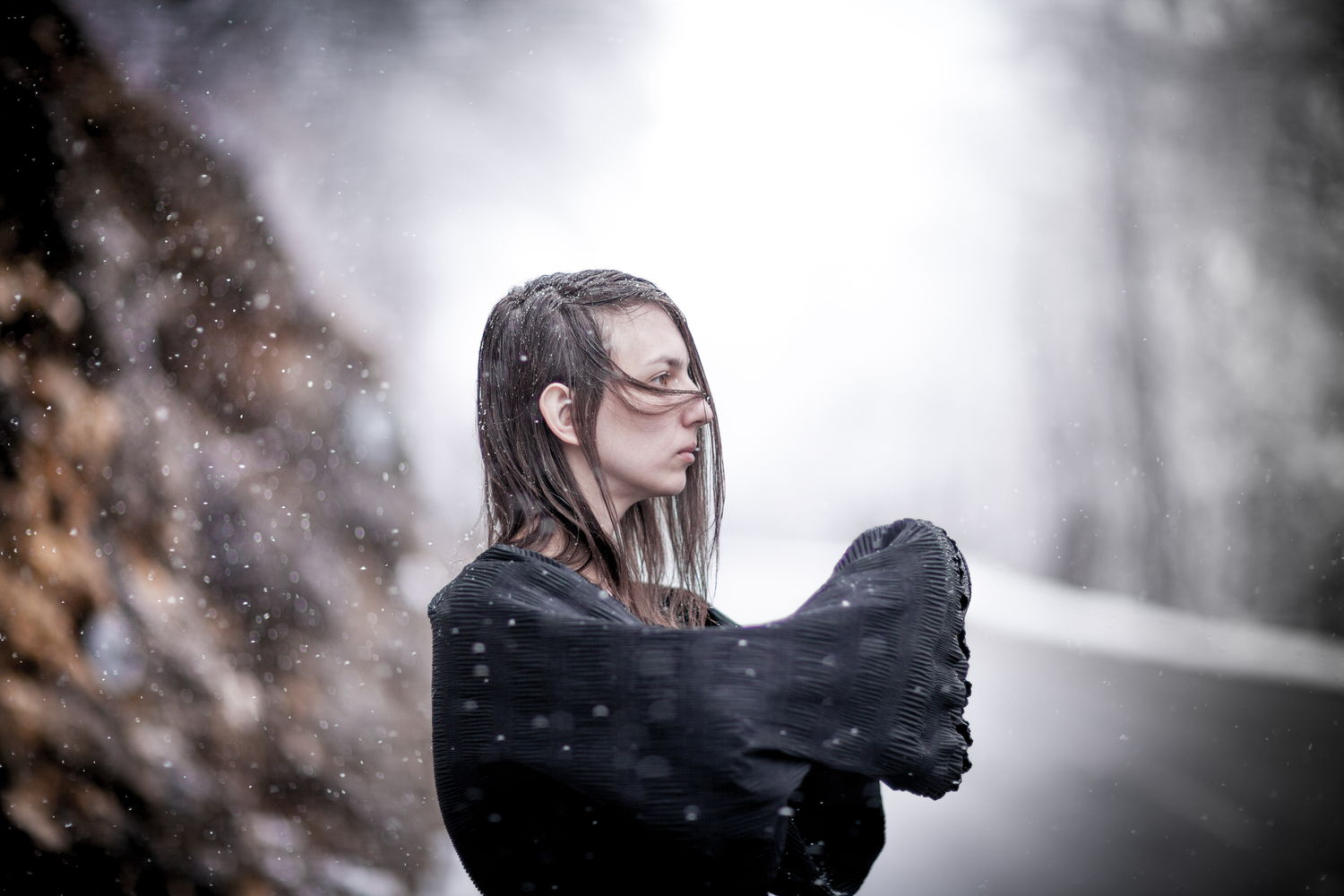
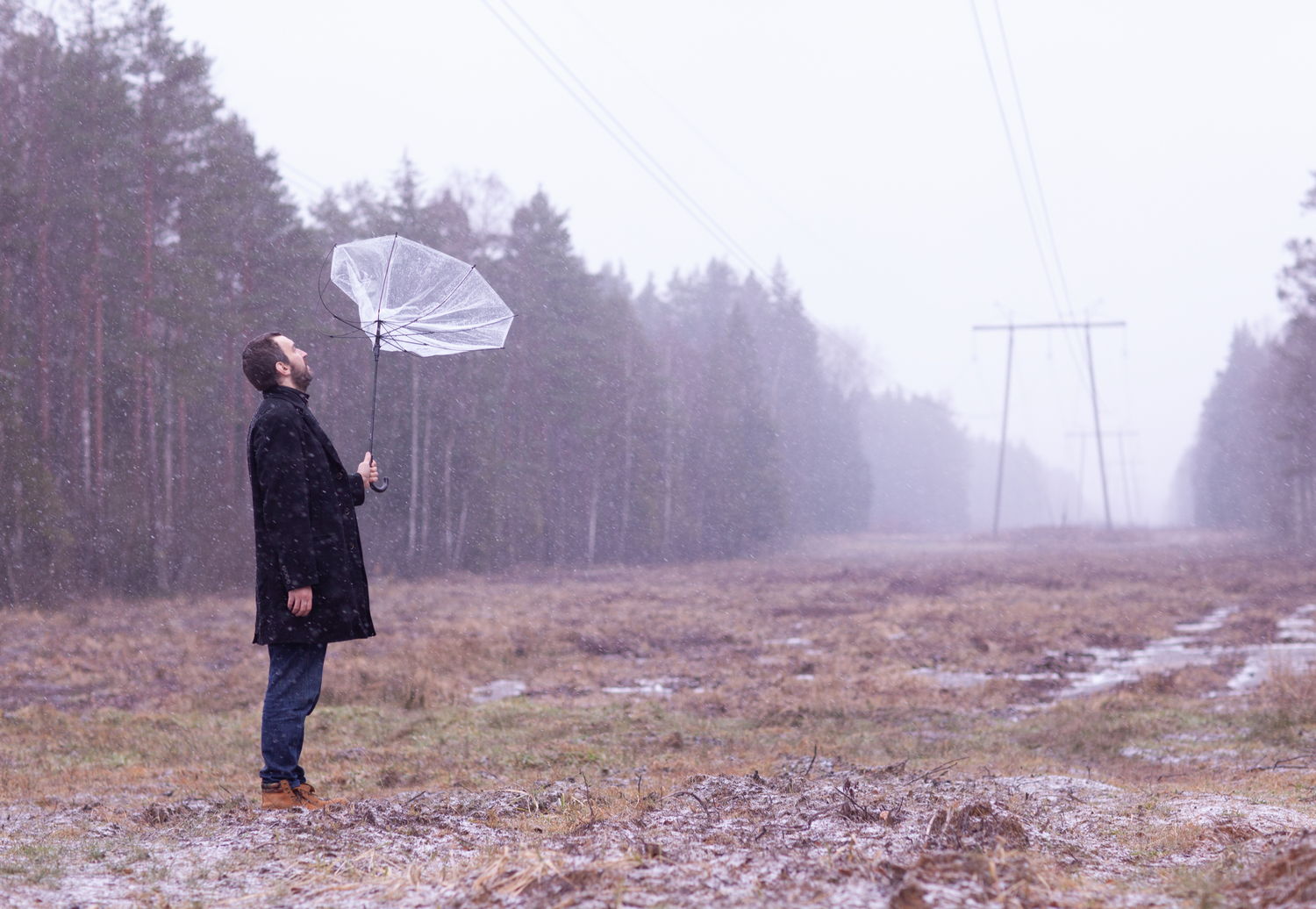
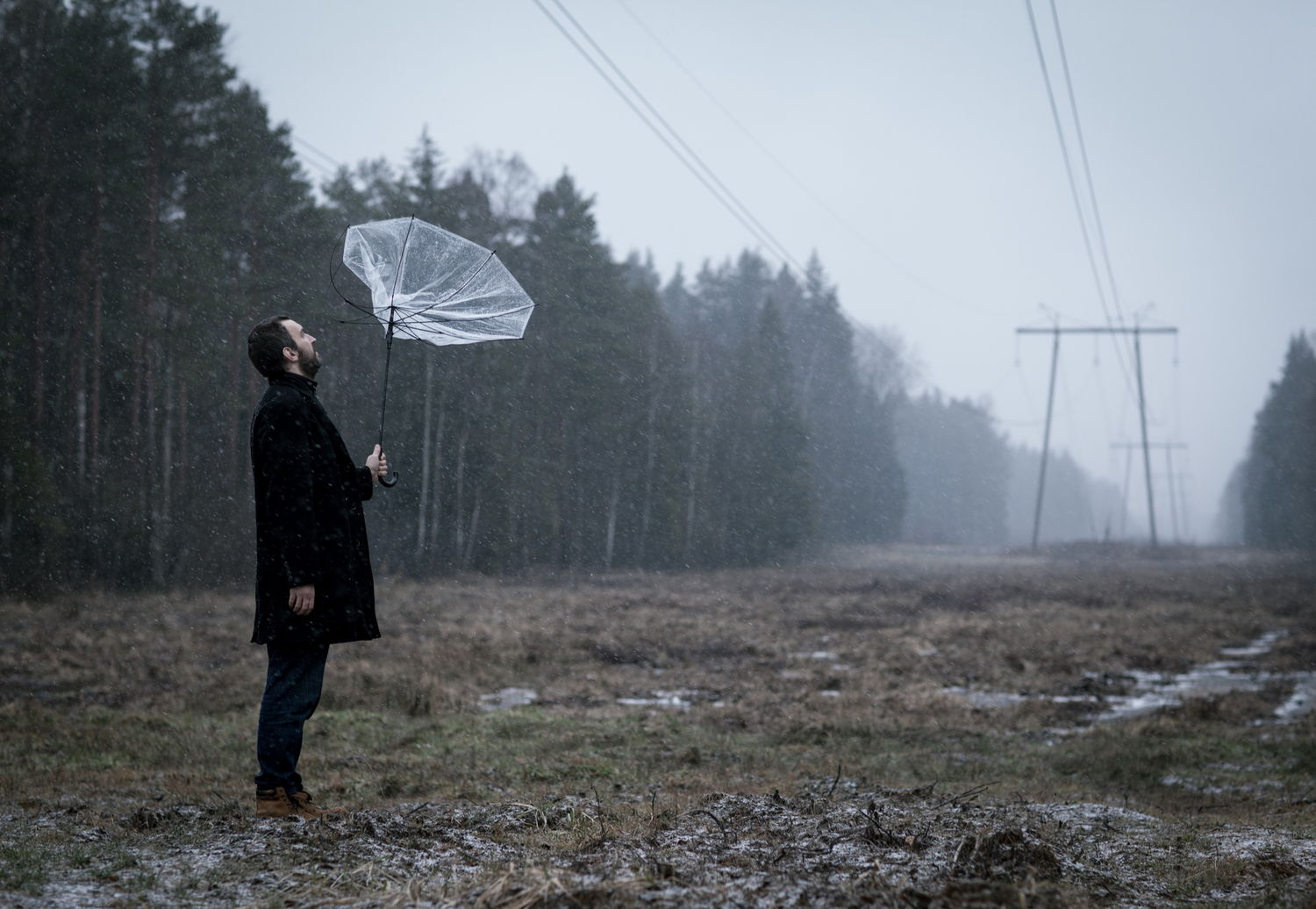
Snow coming down in flat white light, which leaves nothing in the frame with any edge to it. The magenta cast came off first, then the treeline and the pylons were pulled back in behind the fog, and the umbrella left as the brightest thing so the figure has something to stand against.

Measured
  • a* +7.9 → −1.0
  • chroma −52%
  • contrast +22%
Close portrait, flowers, before
Before
Close portrait, flowers, after
After

Close portrait, flowers

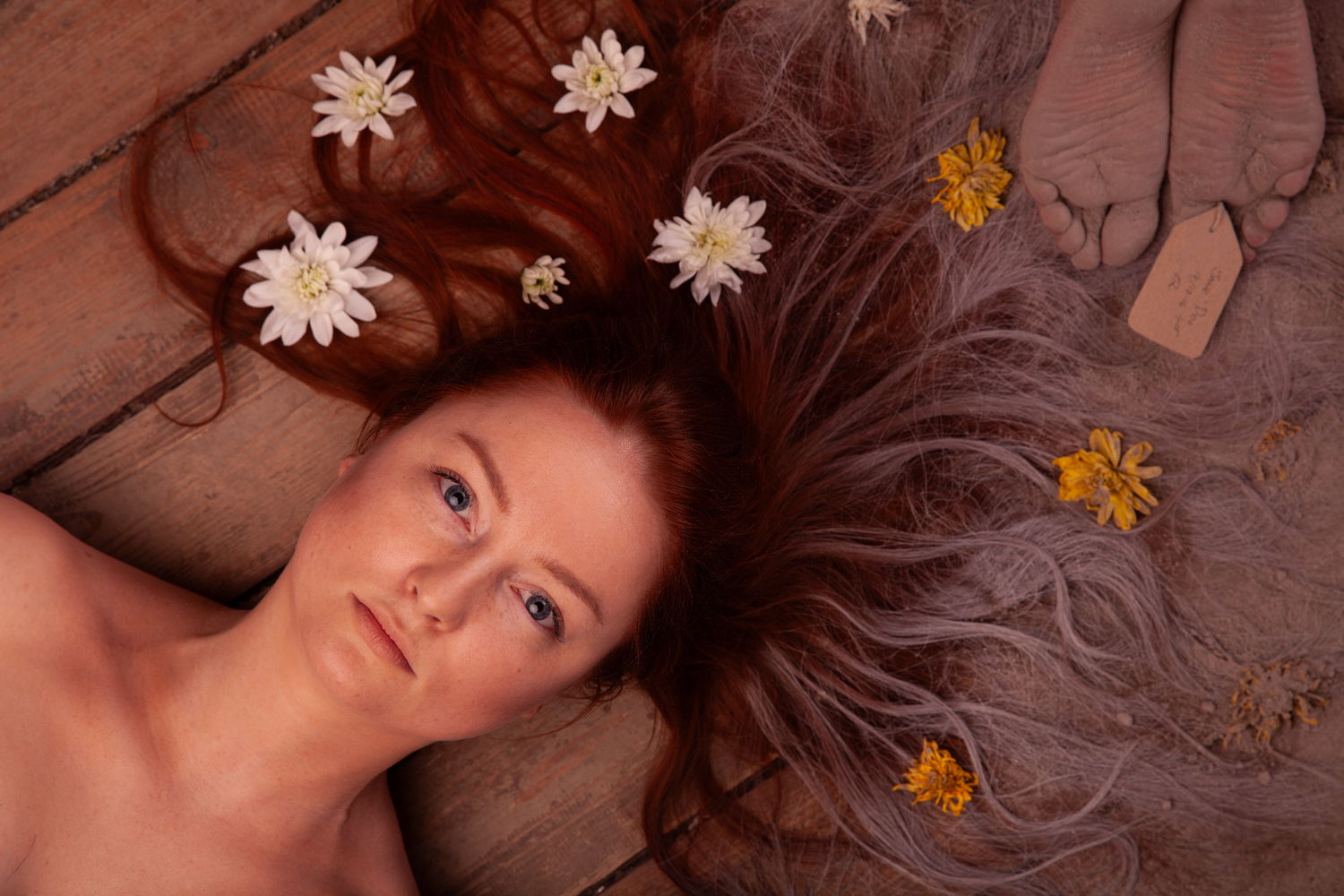
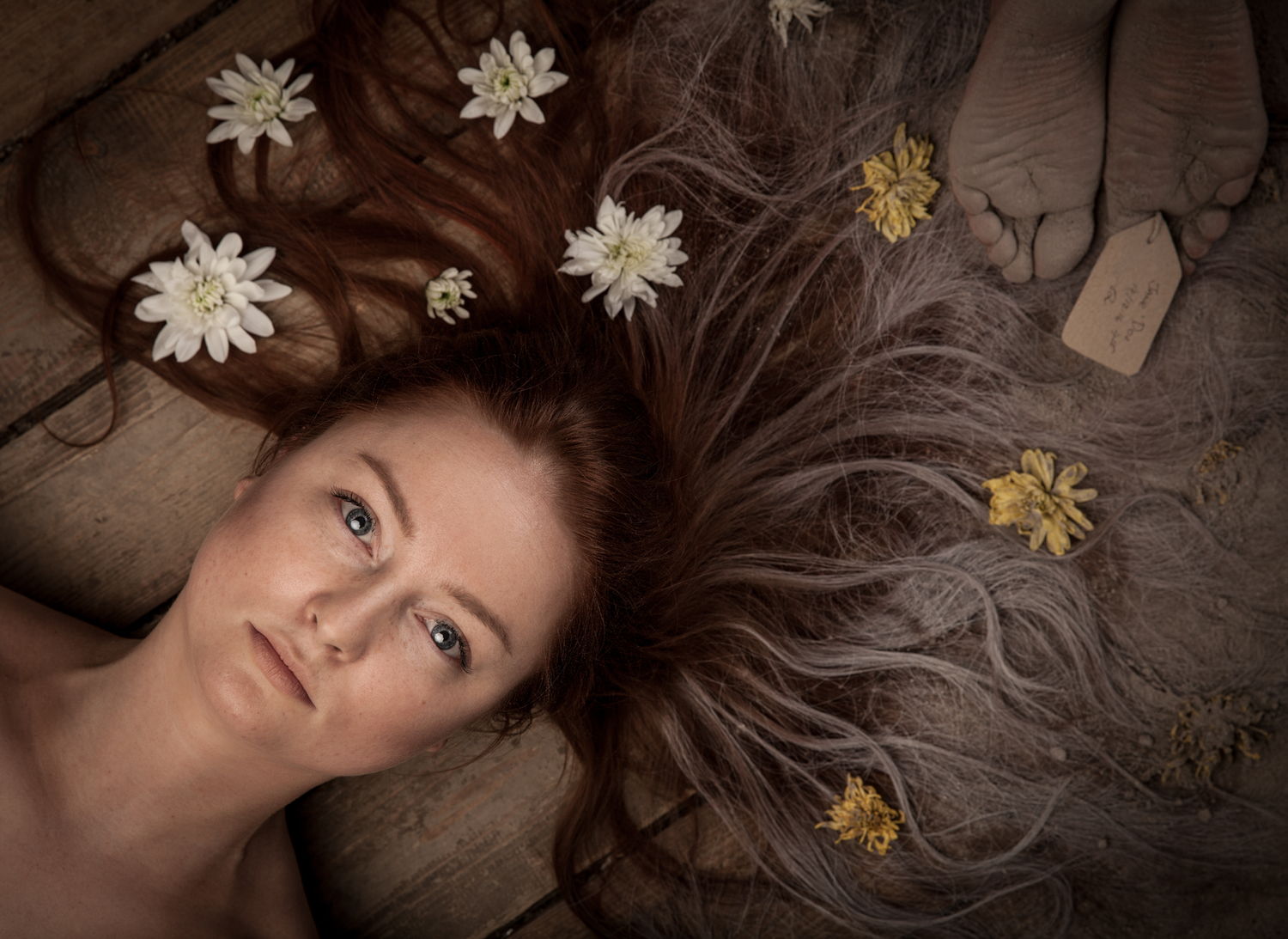
Colour work only. The wood and the hair were the same orange; pulling them apart on the red channel is what puts the face in front of the background.

Measured
  • 3:2 → 11:8
  • a* +20.4 → +7.8
  • chroma −51%
Coast, midday sun, before
Before
Coast, midday sun, after
After

Coast, midday sun

Blown sky, blocked rocks, about one stop of usable range between them. Highlight and shadow recovery first, then a crop to vertical because the horizon was the least interesting thing in the picture.

Measured
  • 2:3 → 1:1.18
  • contrast +41%
§05

Landscape, travel and drone

Flat, hazy or badly-lit originals brought back to something publishable - and, where something did not belong in the frame, taken out of it. None of these could be reshot.
Storm over a valley town, before
Before
Storm over a valley town, after
After

Storm over a valley town

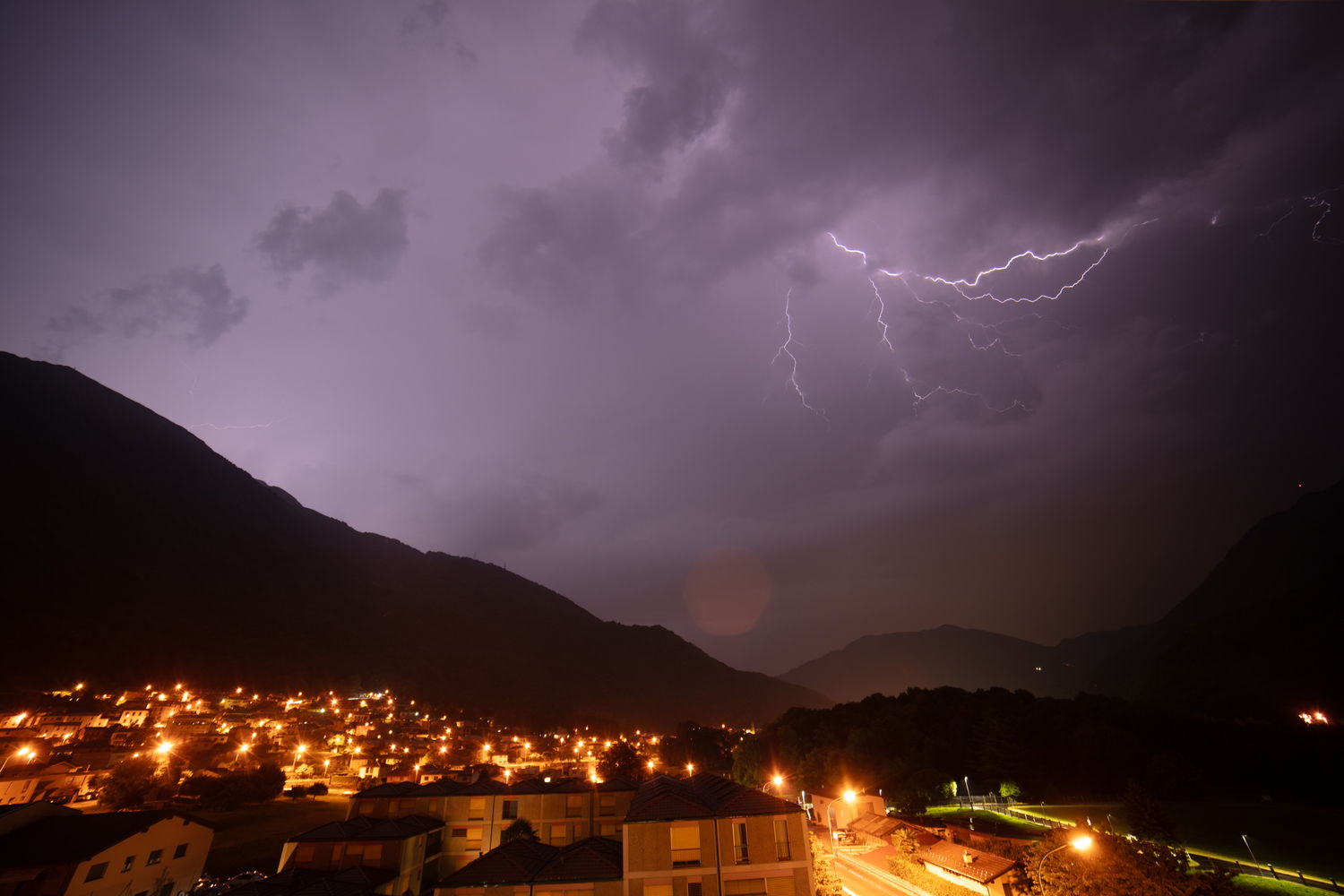
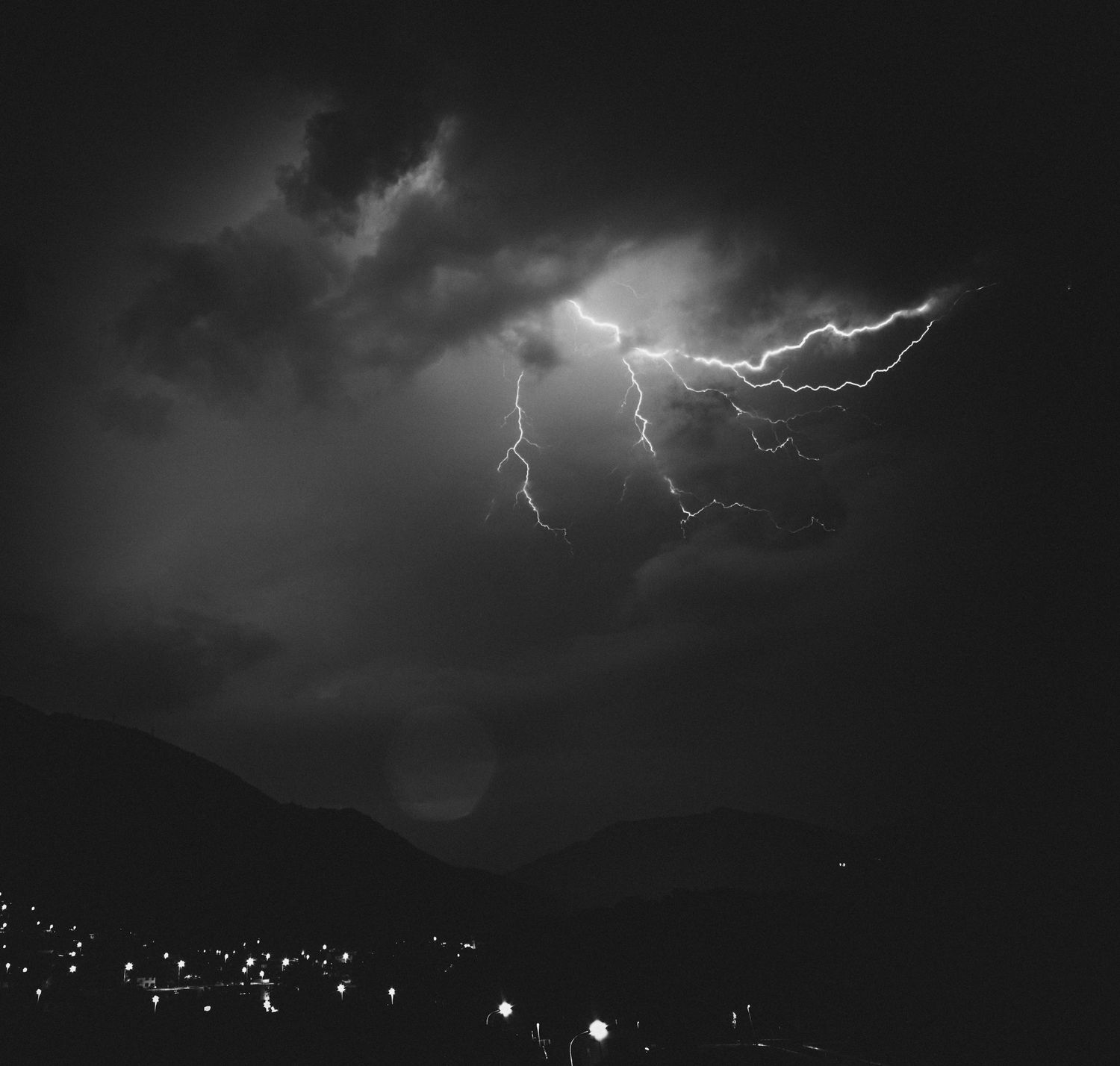
Handheld, high ISO, into a night storm. The colour was never going to survive - sodium street light below, violet cast above, lightning between them. Black and white lets the strike separate from the cloud instead of fighting the town for attention.

Measured
  • 3:2 → 1.05:1
  • converted to mono
  • L̄ 28 → 16
Volcano above a hill town, before
Before
Volcano above a hill town, after
After

Volcano above a hill town

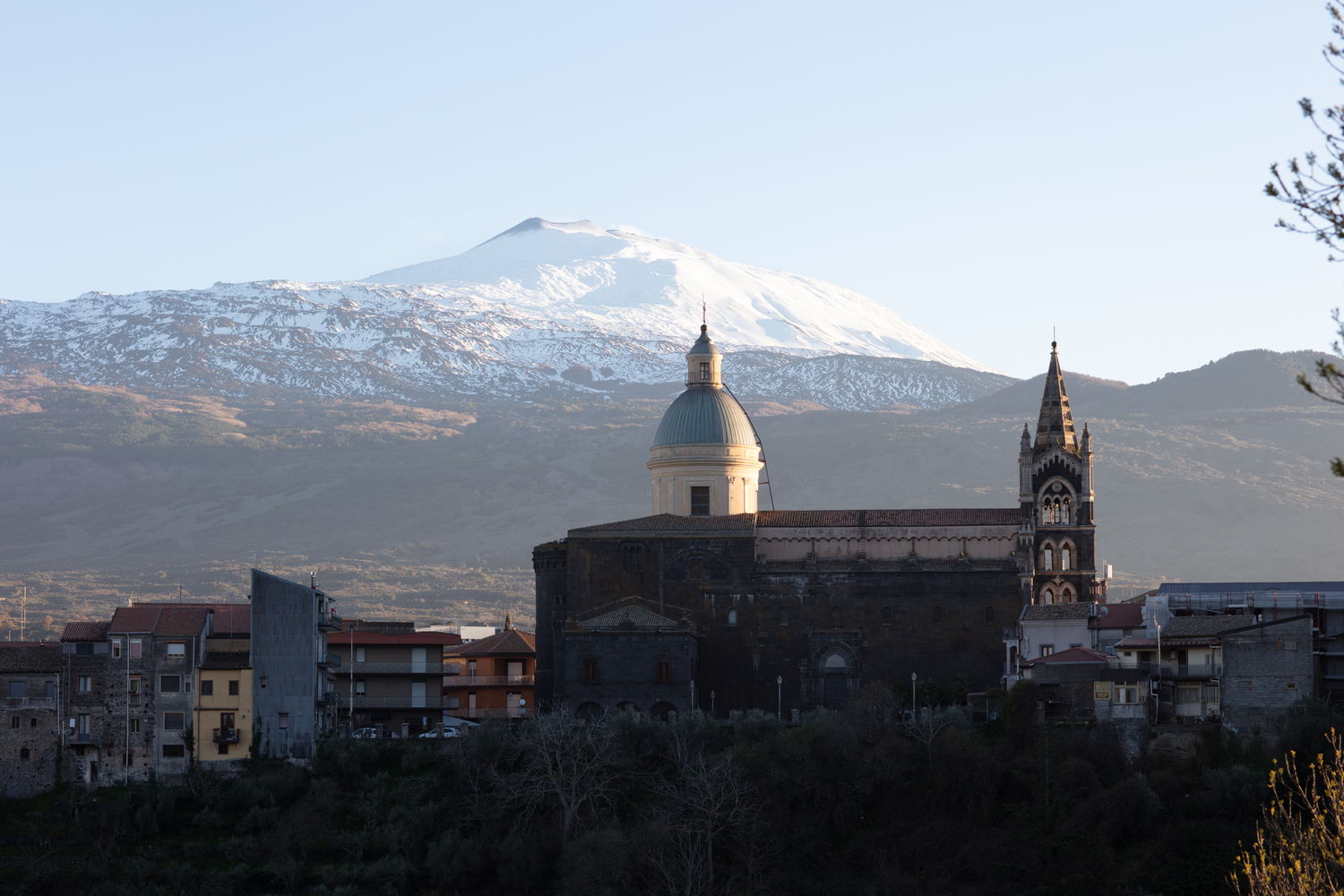
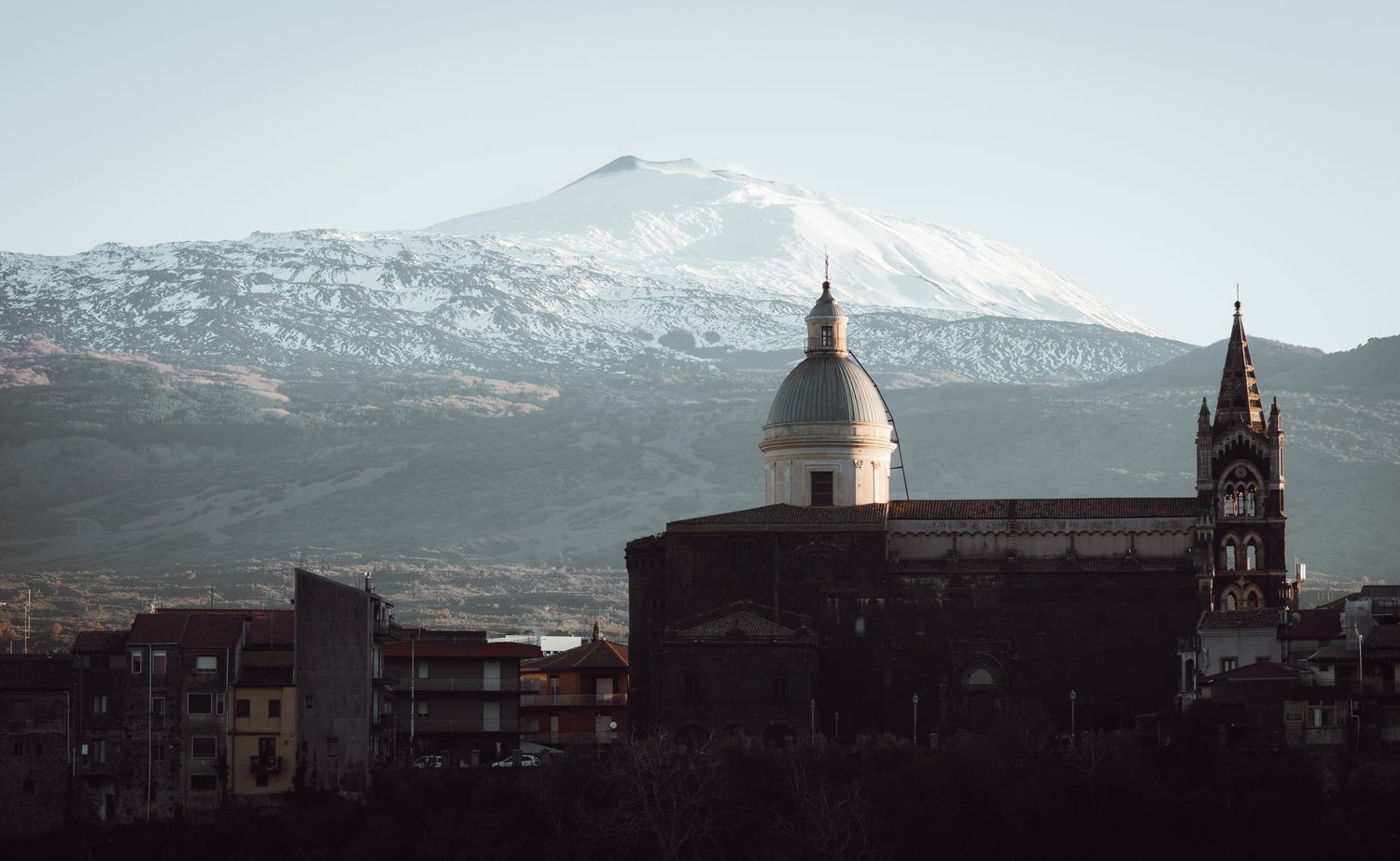
Midday haze had flattened mountain, town and sky into one plane. Dehaze plus a split tone puts them back at three distances; the crop drops a bright edge that was pulling the eye out of frame.

Measured
  • 3:2 → 13:8
  • b* −5.8 → −2.2
Town from above, dusk, before
Town from above, dusk, after

Town from above, dusk

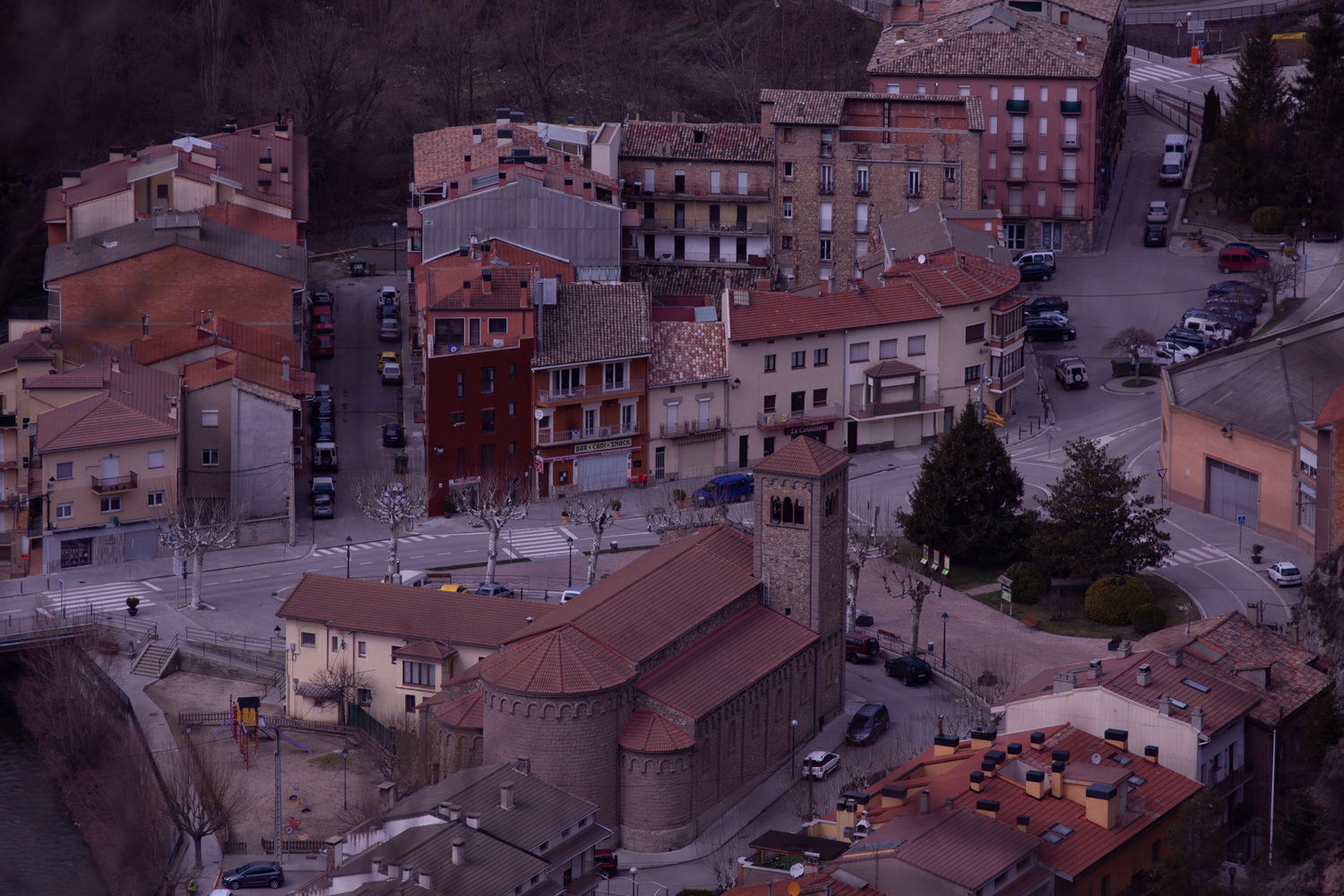
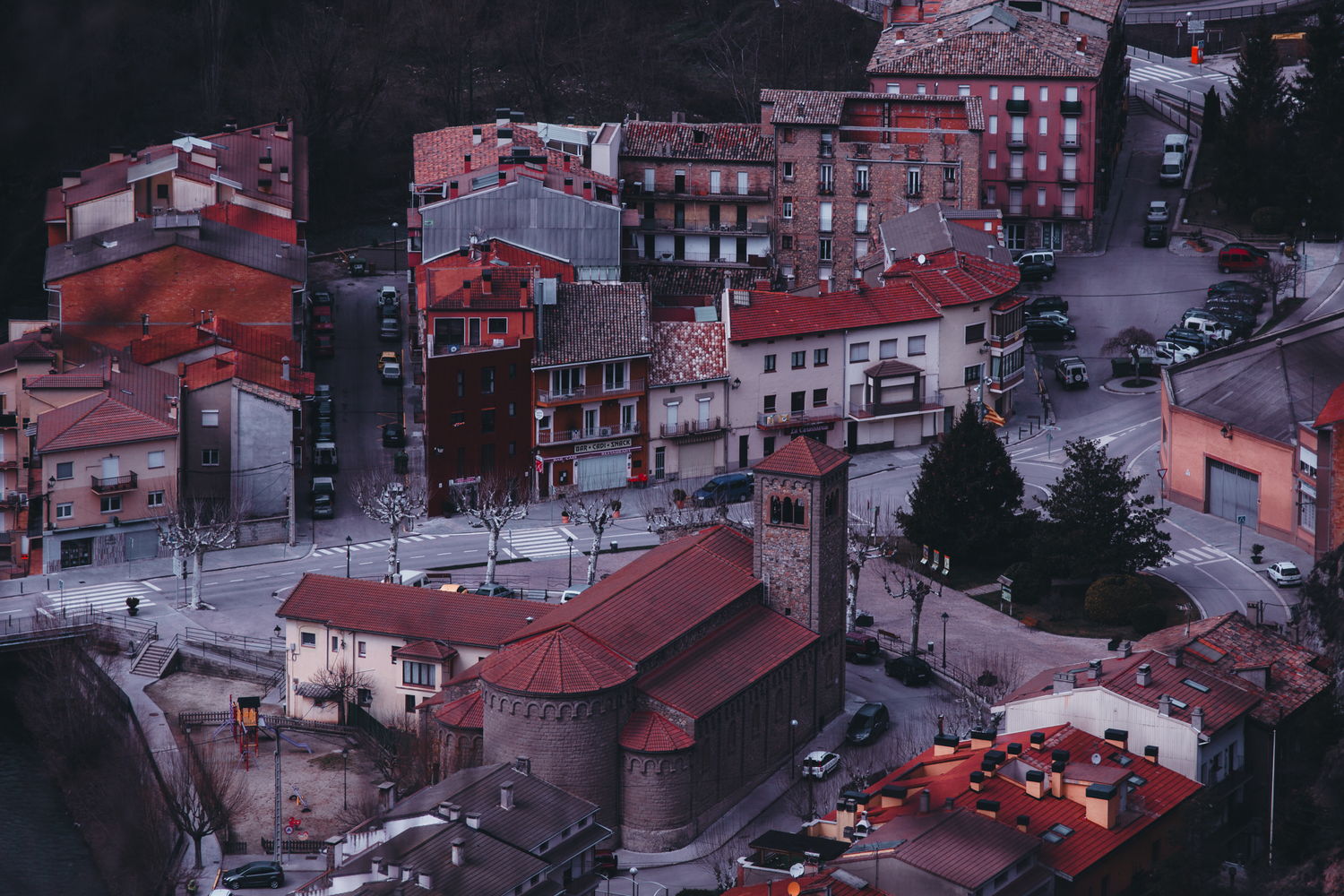
Drone frame at the end of the light, flat and murky. Red roofs kept as the only saturated thing, everything else cooled and dropped, and enough local contrast added that the streets read from that height.

Measured
  • no crop
  • contrast +26%
  • a* +12.1 → +8.4
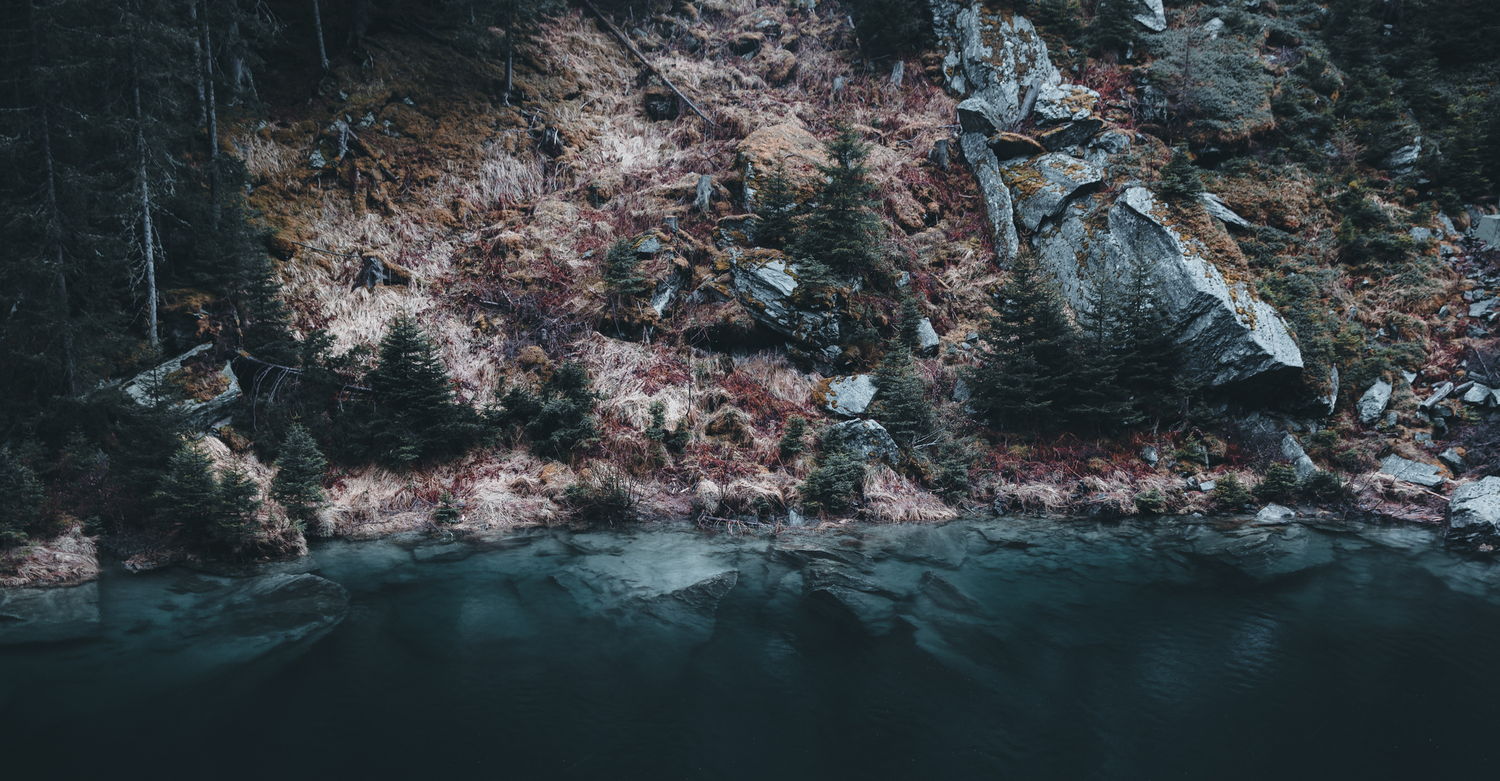
Aerial, glacial water, before
Before
Aerial, glacial water, after
After

Aerial, glacial water

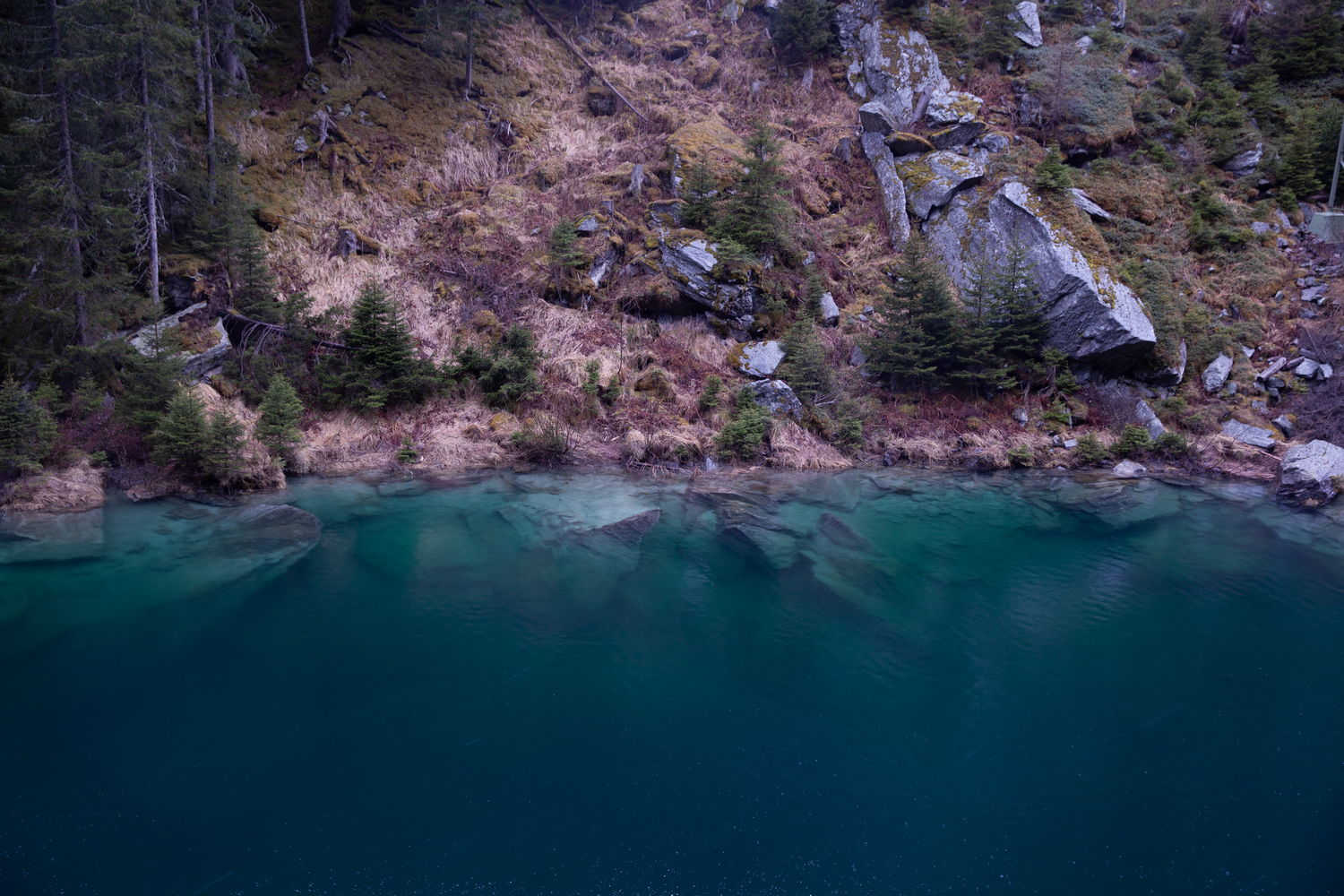
Drone frames carry their own problems: low contrast through the air column, a colour shift with altitude, and a horizon that is never quite where you left it. Straightened, cropped panoramic, and the water separated from the rock on colour rather than saturation.

Measured
  • 3:2 → 1.92:1
  • b* −10.4 → −3.0
  • chroma −58%
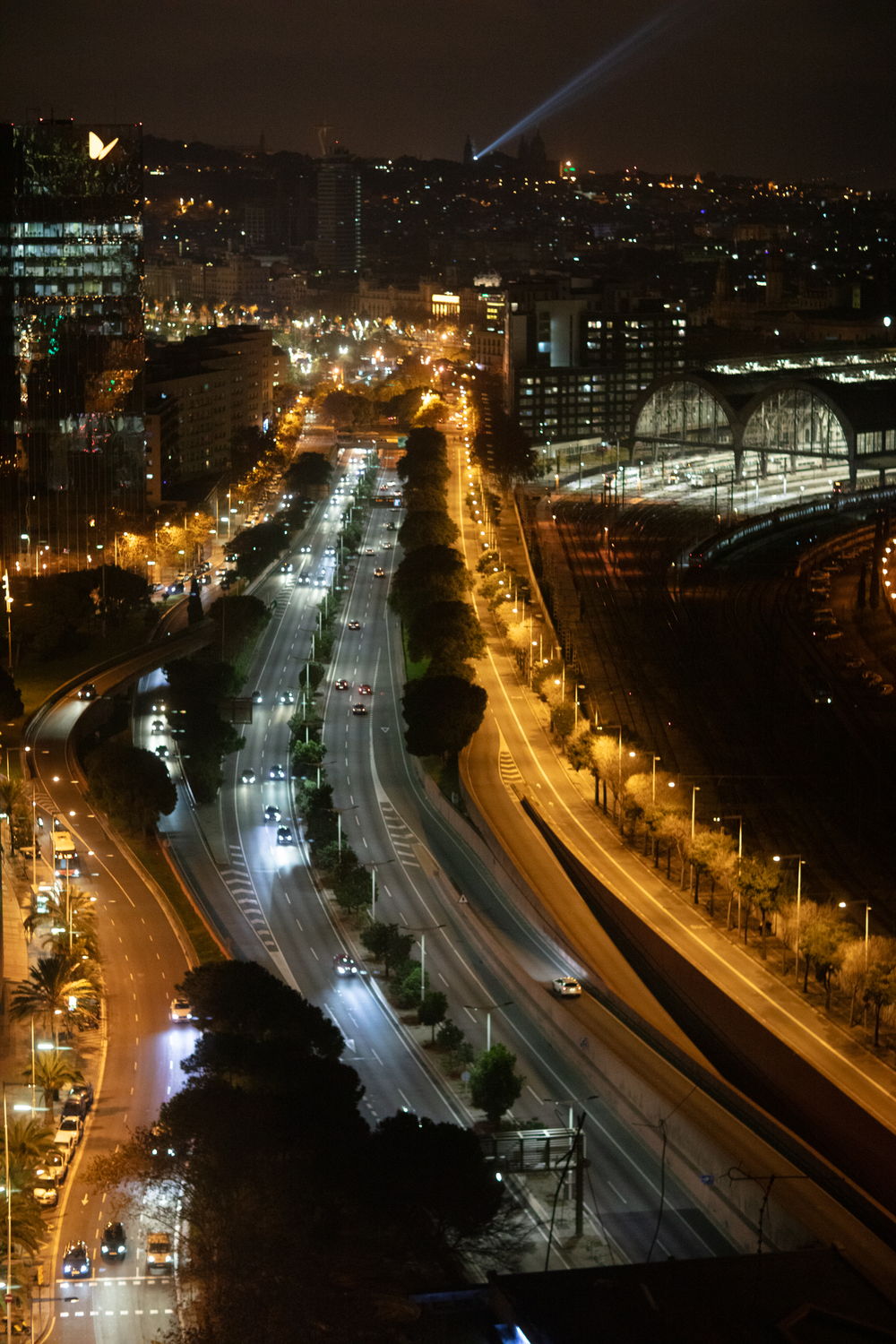
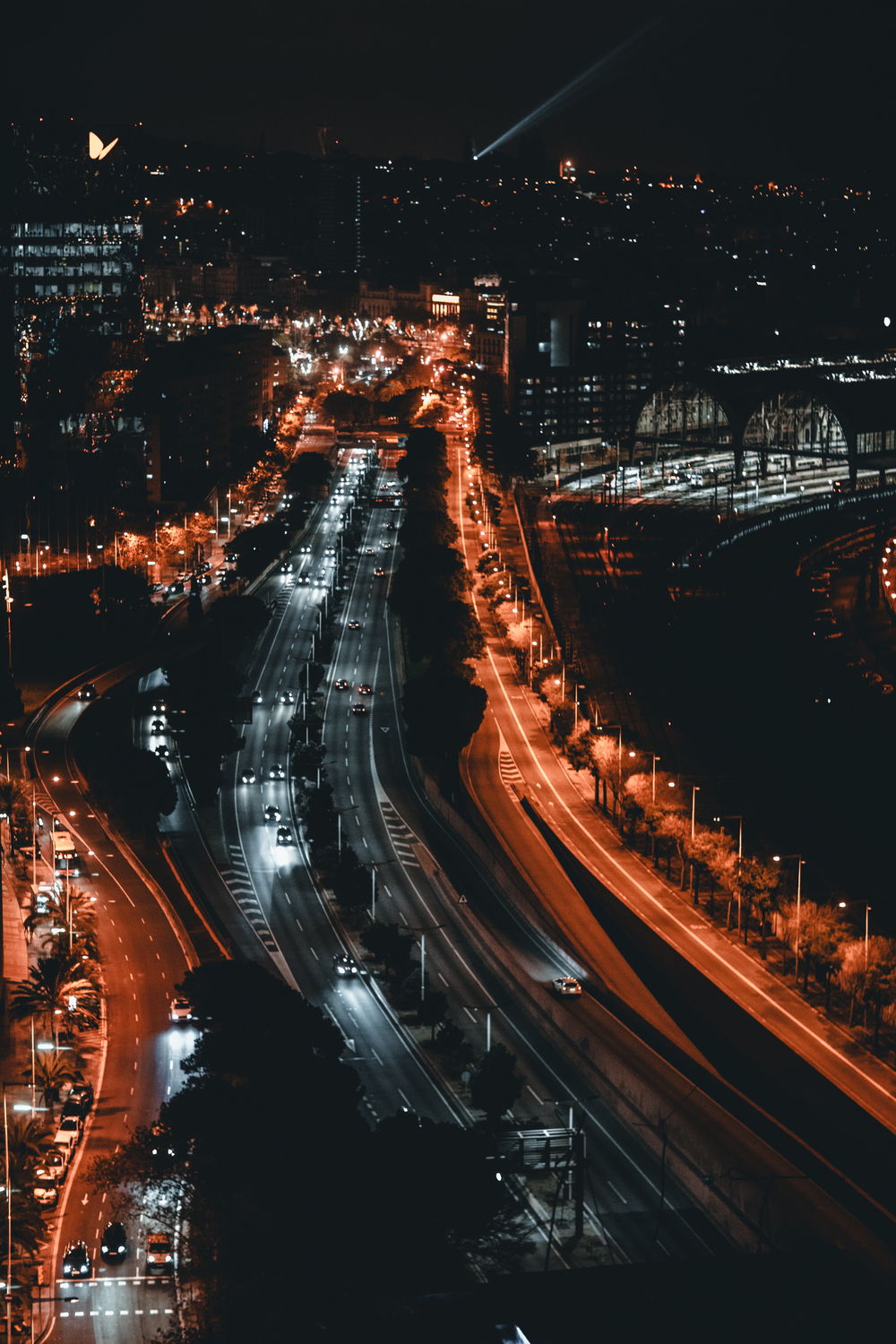
City at night, long exposure, before
City at night, long exposure, after

City at night, long exposure

Sodium street light over everything, which on a night frame means the whole picture is one colour. Balanced back, the traffic trails left warm on purpose, and the buildings dropped so the roads are what the eye follows.

Measured
  • no crop
  • b* +12.9 → +3.3
  • chroma −36%
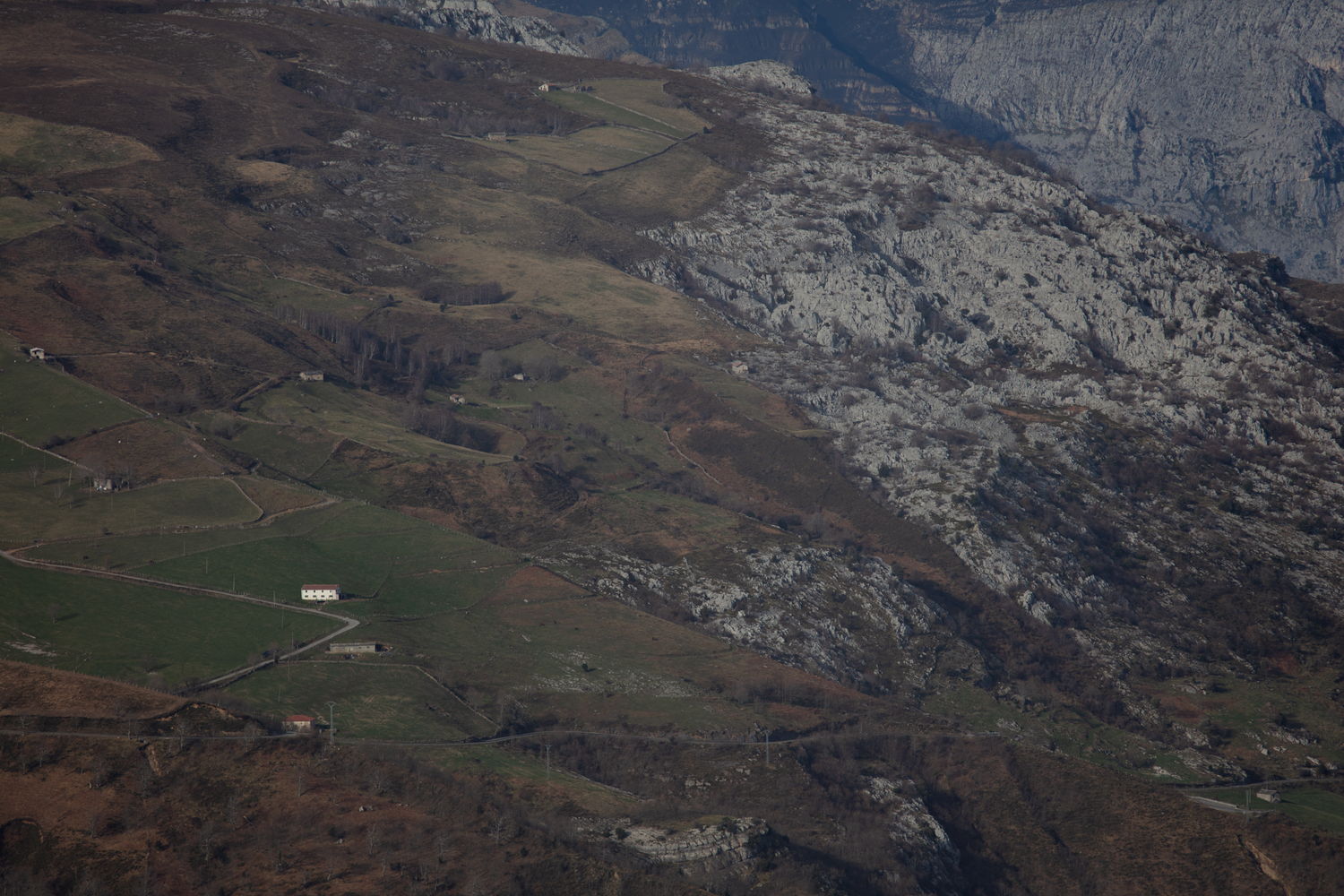
Valley wall from above, before
Valley wall from above, after

Valley wall from above

About one stop of usable contrast in the whole original. Local contrast added across the slope rather than a global curve, which is what separates the fields, the scree and the rock face into three readable things instead of one grey mass.

Measured
  • no crop
  • L̄ 28 → 18
  • contrast +13%
Ridge under cloud, before
Ridge under cloud, after

Ridge under cloud

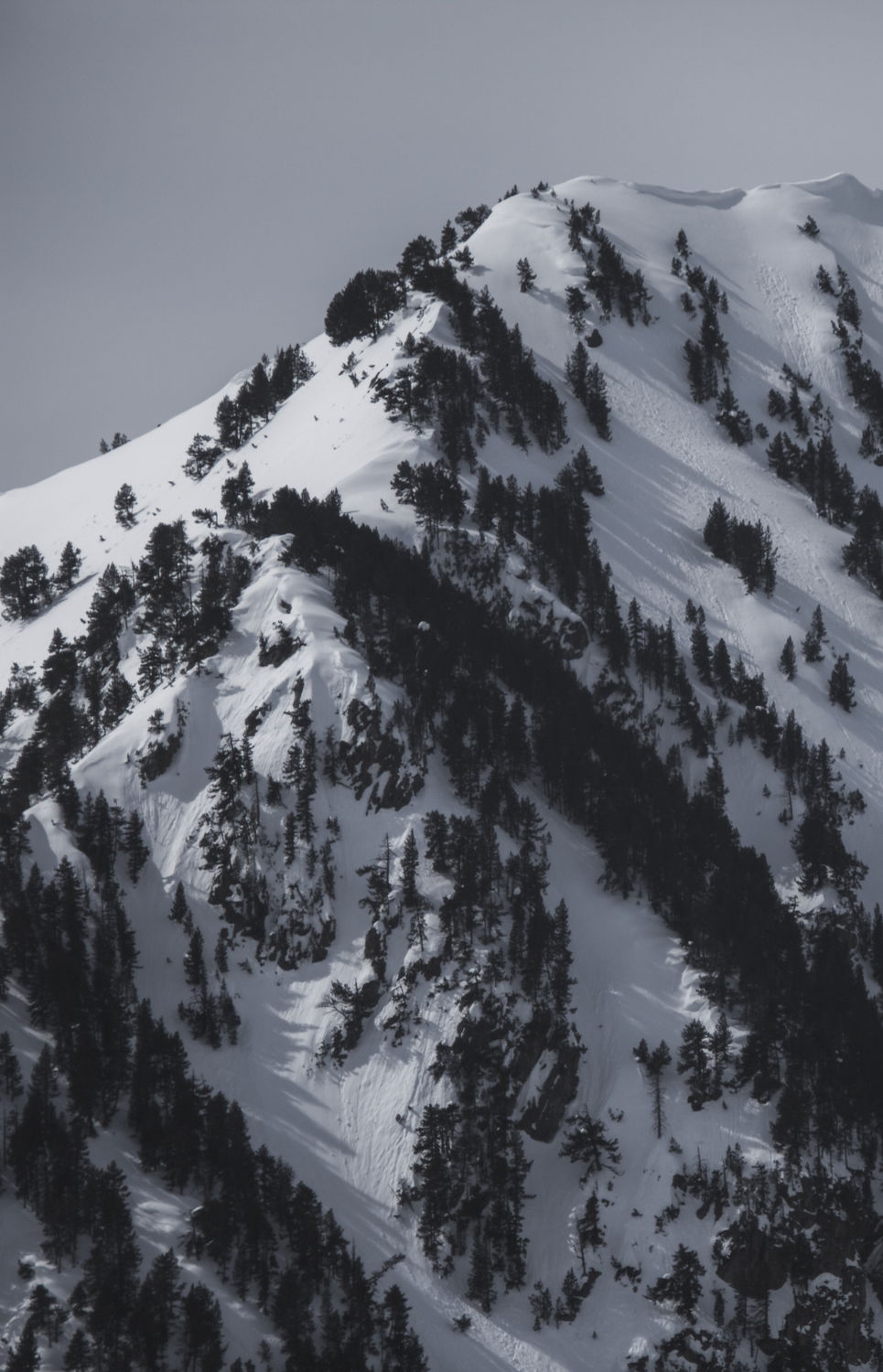
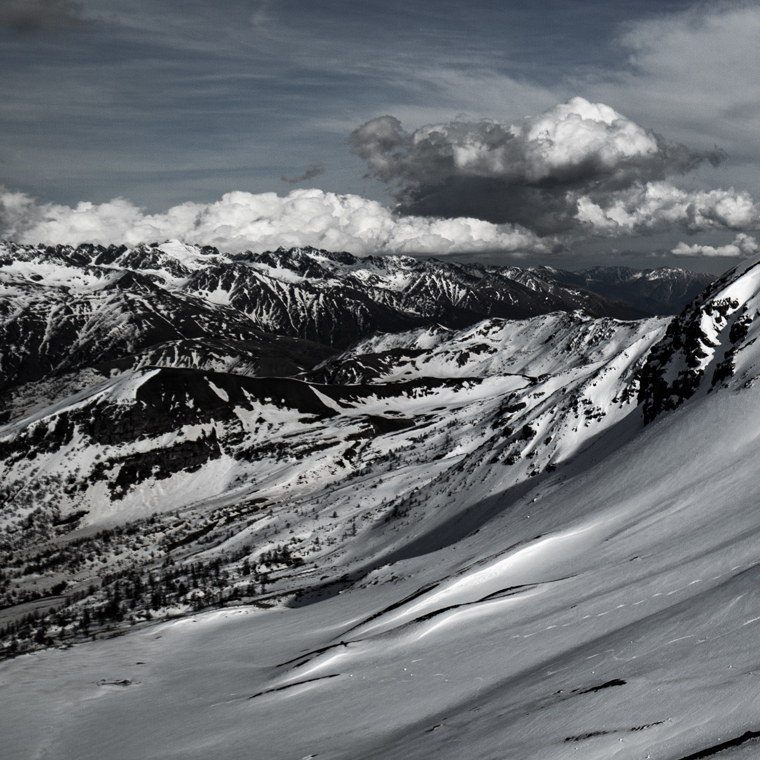
A frame where colour was working against the picture - a lilac sky flattening a mountain that is entirely about form. Nearly all of it taken out, then the exposure dropped hard so the snow does the drawing.

Measured
  • a* +9.5 → −0.2
  • chroma −78%
  • L̄ 48 → 23
§06

Detail, at full resolution

Everything above is a 1500-pixel version of a file between 2500 and 8700 pixels wide. At that size local work simply disappears - a removal, a rebuilt background, a slope pulled back apart all read as nothing at all. These are cut straight out of the files, before and after at the same scale so neither one is flattered, and they are the part of the job that usually goes unseen.
Crew member, removed, before
Before
Crew member, removed, after
After

Crew member, removed

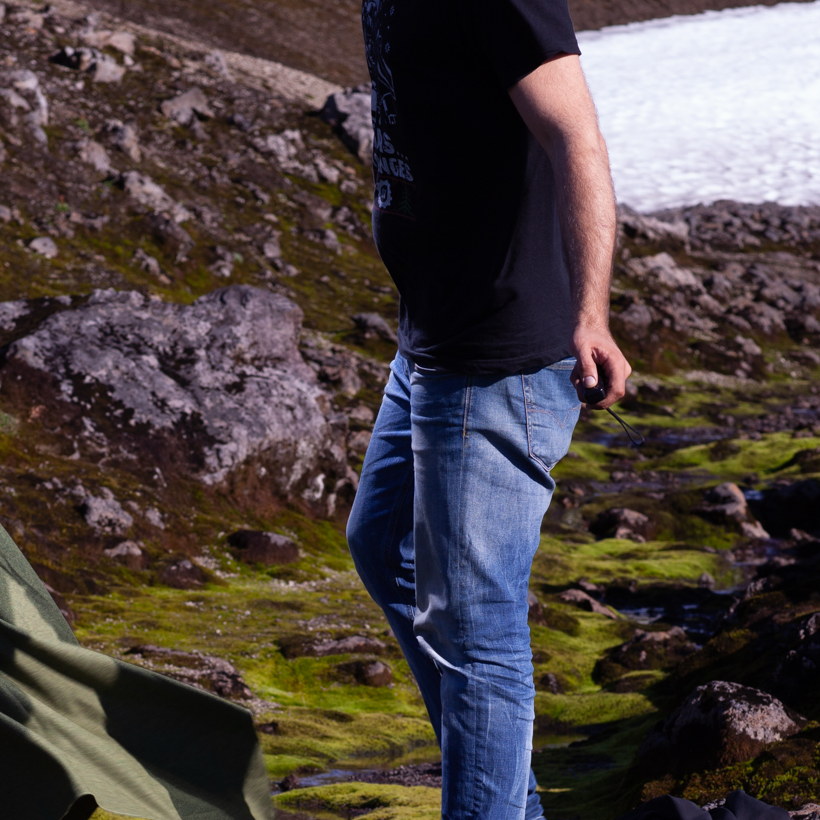
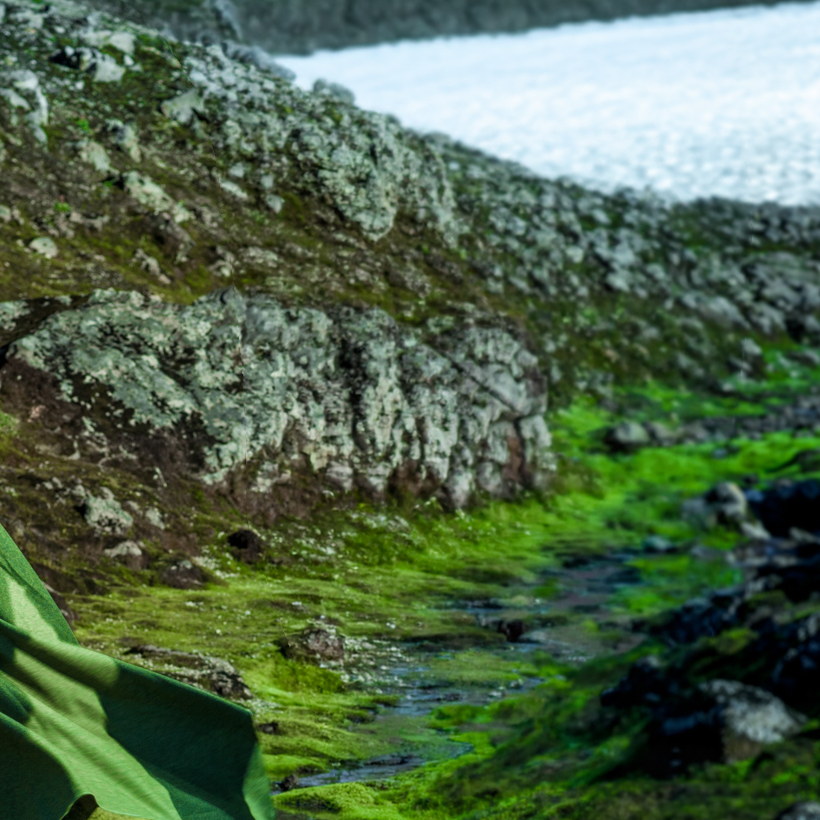
Somebody from the crew standing in the shot at the moment the frame was taken. Taking a person out is the easy half; the work is the moss, the rock edge and the meltwater rebuilt behind him, which is what has to survive being looked at closely.

Crop
  • 820 px of the frame
  • person removed
Fringing on the water, before
Before
Fringing on the water, after
After

Fringing on the water

Specular highlights on moving water are where a fast lens shows its aberration: every bright edge carries a magenta and green split. No amount of global saturation work fixes it, because it sits on edges rather than on a colour, and a grade applied over the top only makes it louder. Taken out first. The green that remains is the look, put there afterwards on purpose.

Crop
  • 340 px of the frame
  • a* > +10: 10.4% → 0.2%
The number printed on the mask, before
Before
The number printed on the mask, after
After

The number printed on the mask

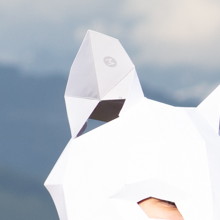
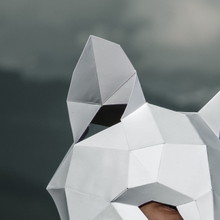
The masks were folded from printed sheets, and the sheets carry the maker's marks. On a face this size nobody sees it on a screen; at any print size it is the first thing that gives the prop away. Off, without flattening the fold it sits on.

Crop
  • 220 px of the frame
  • printed mark removed
The ring, before
Before
The ring, after
After

The ring

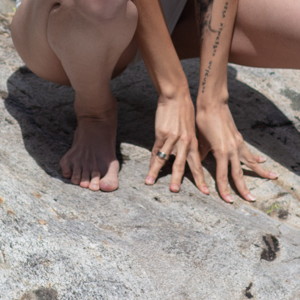
A ring on the hand that does not belong in the wardrobe. Off, with the finger and the shadow it was casting on the rock rebuilt underneath.

Crop
  • 300 px of the frame
  • ring removed
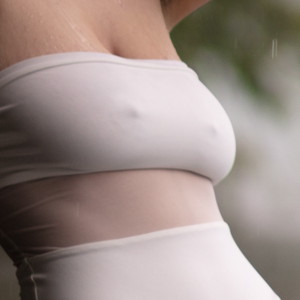
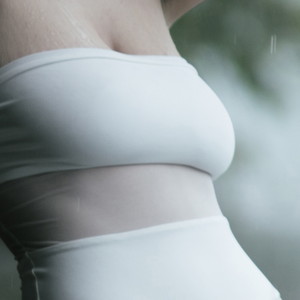
Fabric that turned sheer in the light, before
Before
Fabric that turned sheer in the light, after
After

Fabric that turned sheer in the light

Swimwear that reads as opaque on set and does not in the file, which is a wardrobe problem the camera creates rather than one anybody could see on the day. Corrected on the garment rather than on the body, so the weave holds and the light still falls across it the way it did.

Crop
  • 300 px of the frame
  • garment corrected
Snow with nothing in it, before
Before
Snow with nothing in it, after
After

Snow with nothing in it

The slope came off the card flat - the information was in the file, but nothing in it separated. No painting and nothing added: this is what was already there, pulled apart.

Crop
  • 760 px of the frame
  • contrast +63% within the crop
§07

Colour as the decision

Frames where the edit was a decision rather than a repair: convert or keep, saturate or strip, crop tight or leave the room. Each of these could have gone the other way, and choosing is the service.
Snowfield above the treeline, before
Before
Snowfield above the treeline, after
After

Snowfield above the treeline

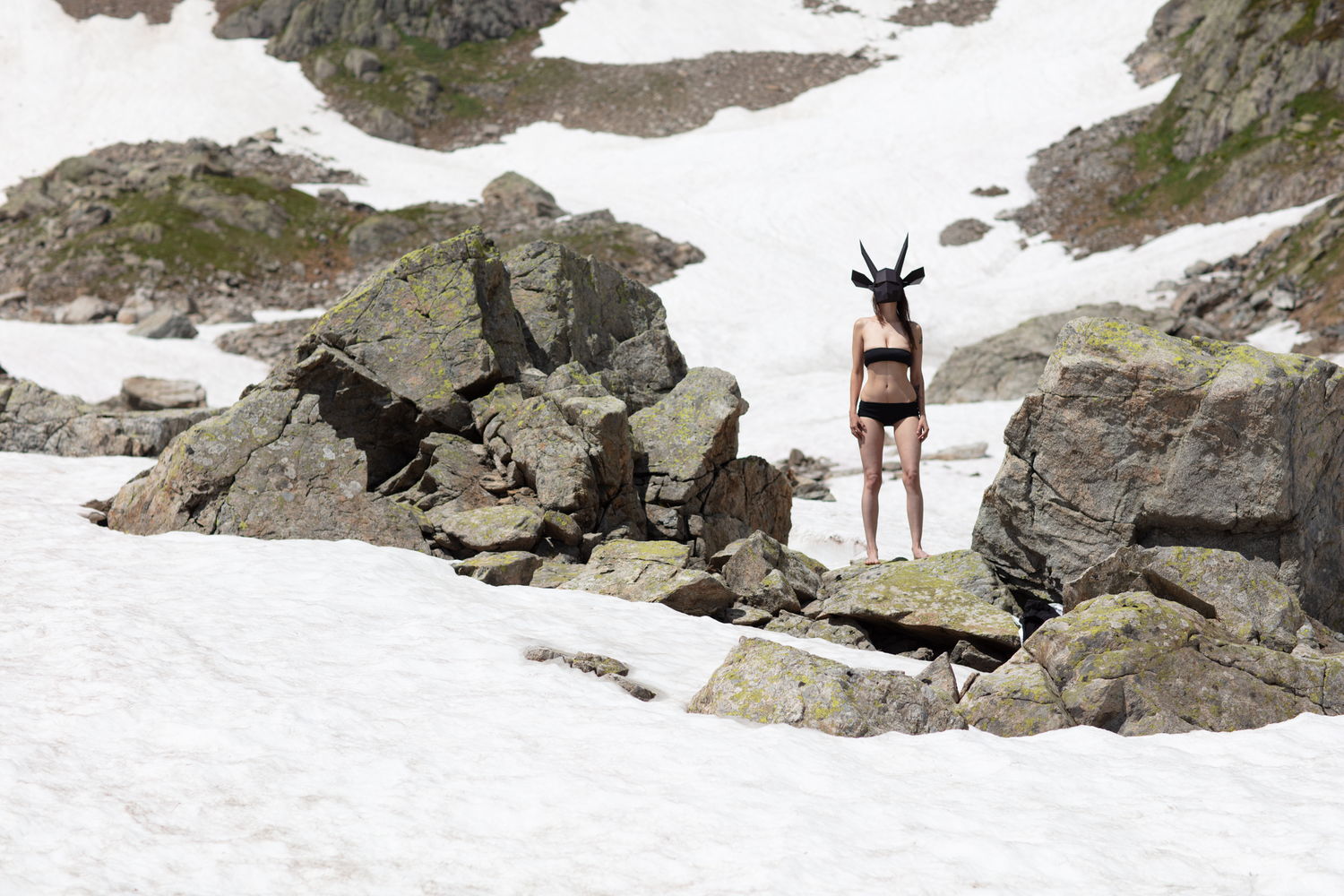
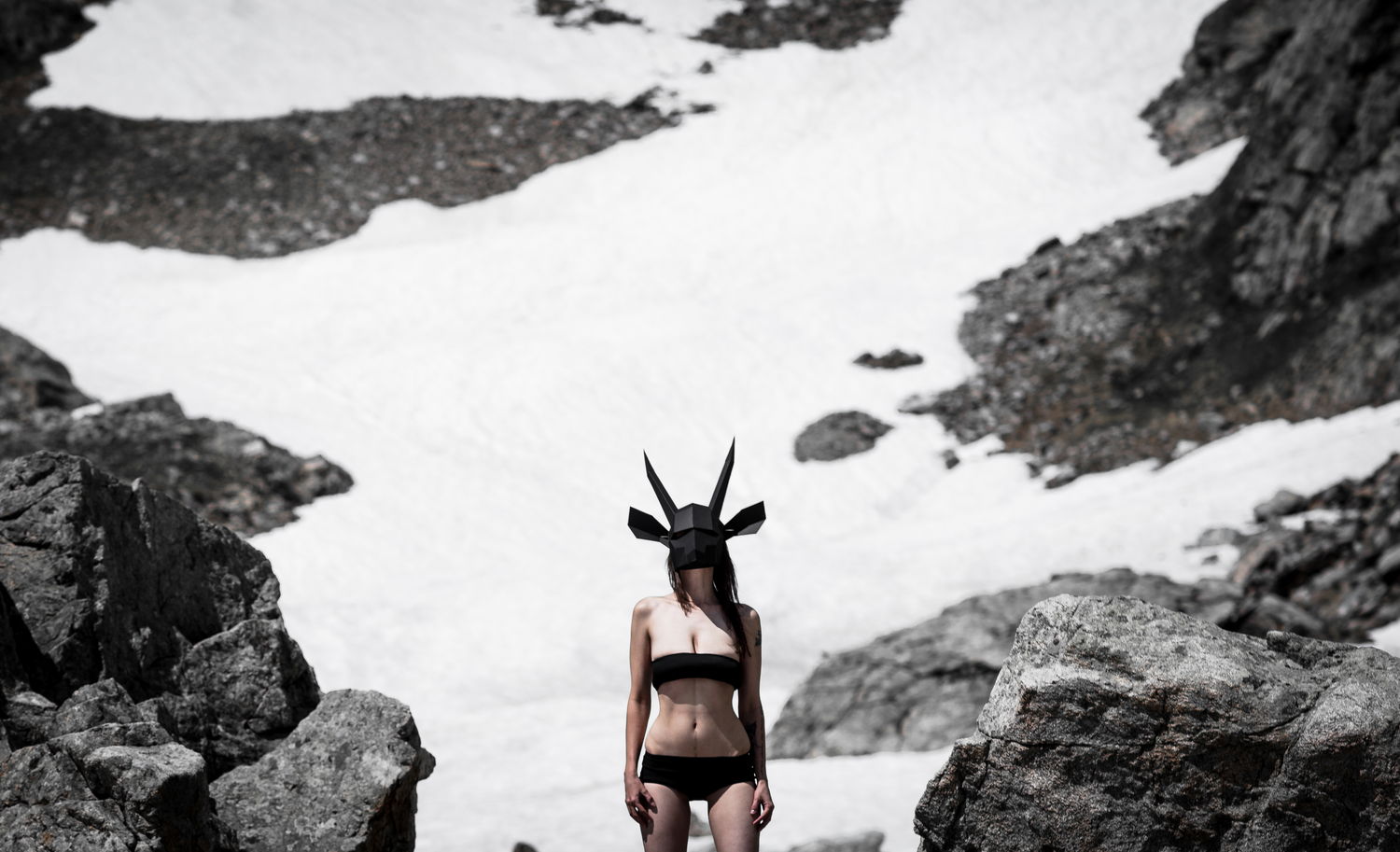
Colour was doing nothing here - green moss on grey rock under white snow. Stripped back until the rock reads as mass and the figure has somewhere to stand, with the last of the colour left in the skin so she does not become another boulder. The recrop moves her off centre and hands the diagonal to the snowfield.

Measured
  • 3:2 → 1.64:1
  • chroma −83%
  • contrast +28%
Sea cliff, cropped vertical, before
Before
Sea cliff, cropped vertical, after
After

Sea cliff, cropped vertical

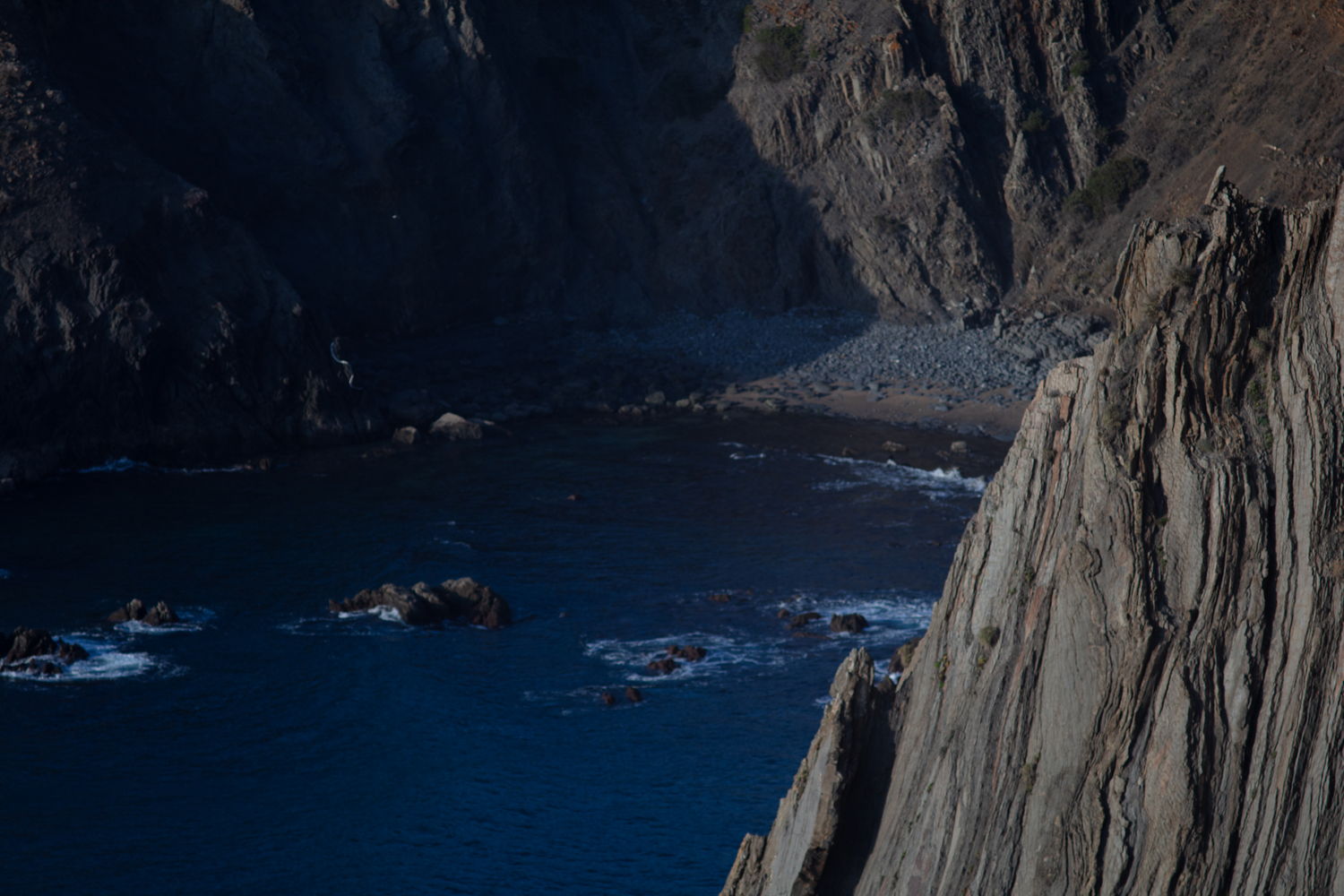
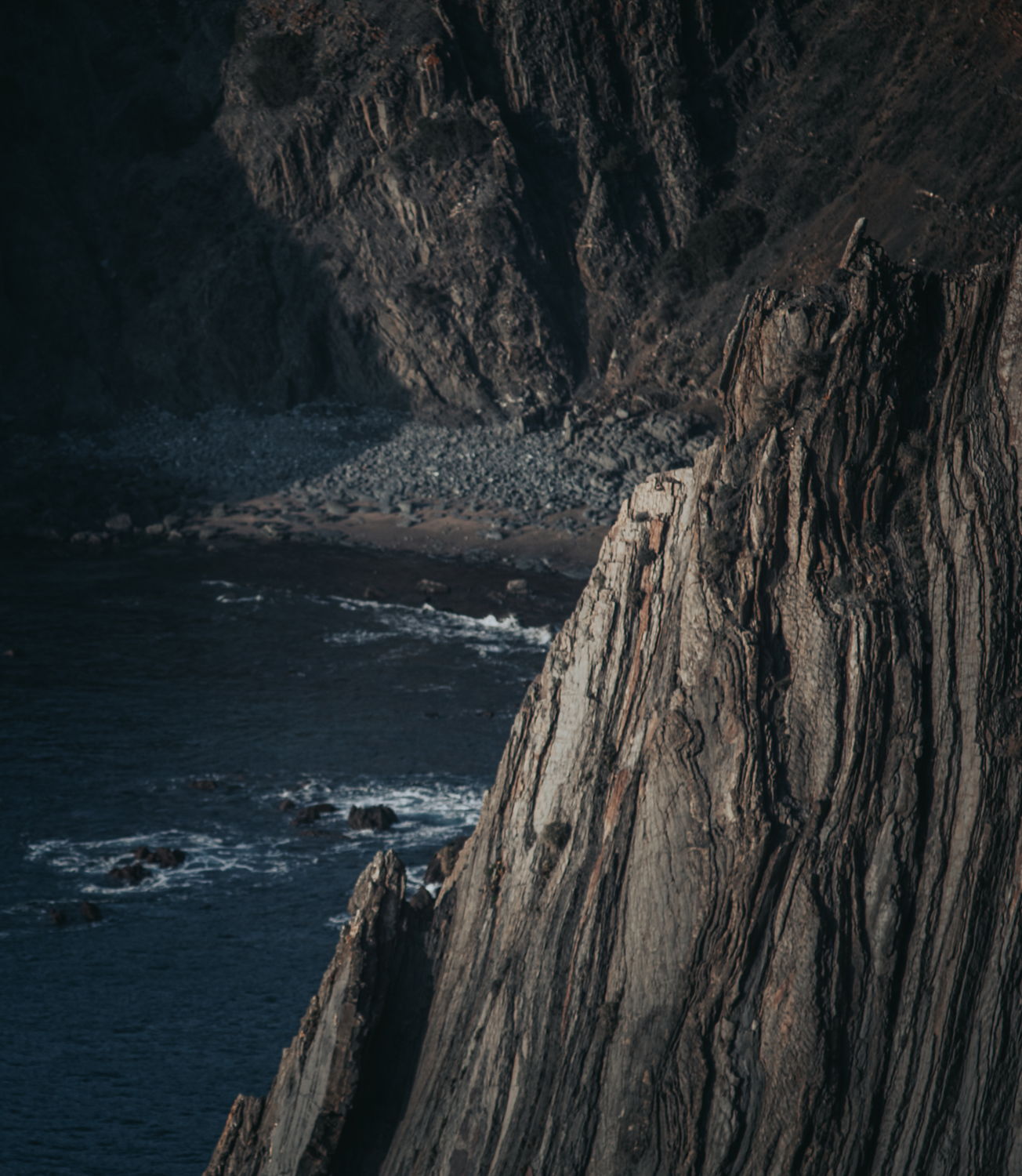
A colour decision and a crop decision in the same frame. The blue is taken almost fully out of the water so the cliff face reads as rock, and the frame is cut to 4:5 so the drop is the subject instead of the bay.

Measured
  • 3:2 → 1:1.15
  • b* −7.8 → −1.6
  • chroma −51%
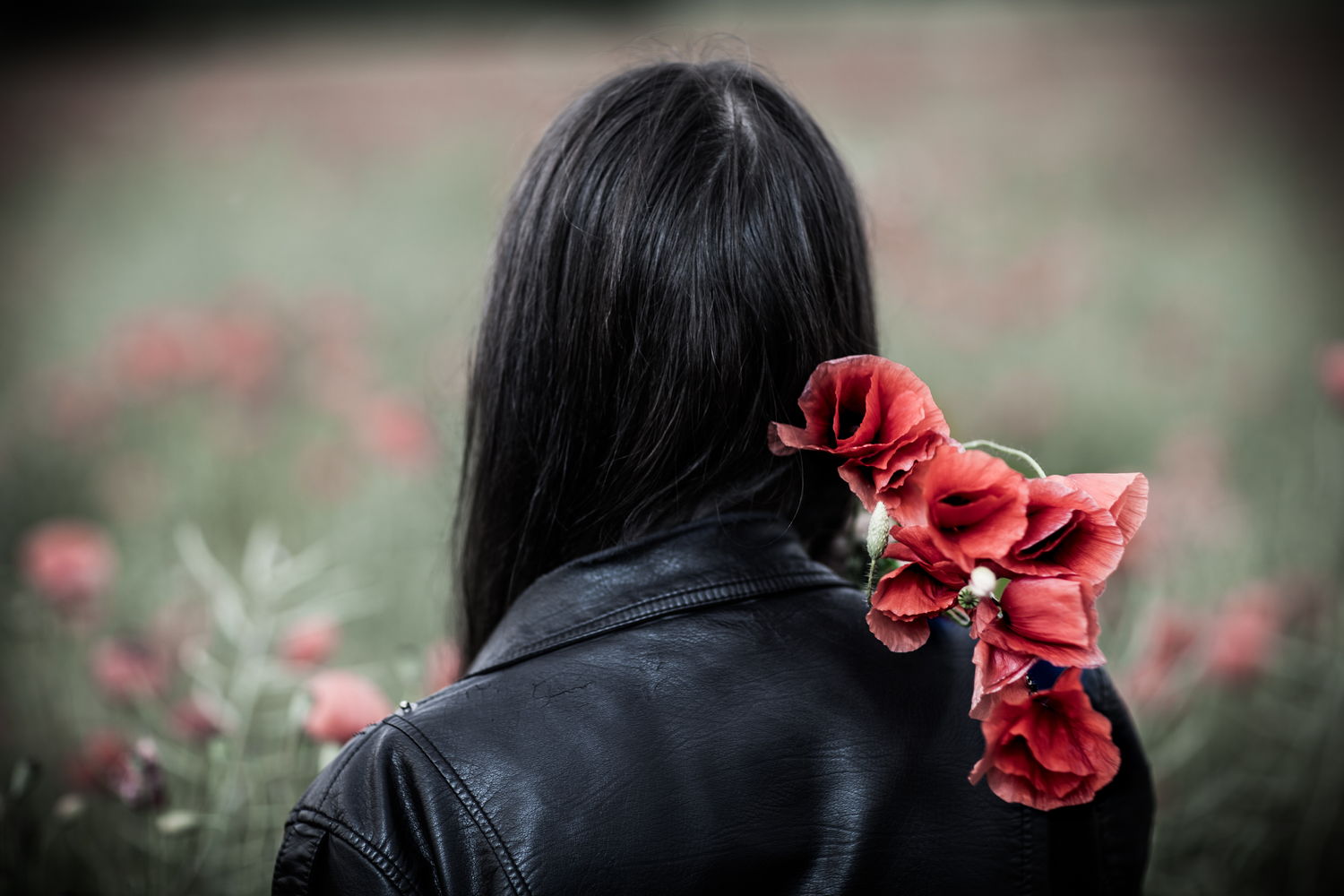
Poppy field, before
Poppy field, after

Poppy field

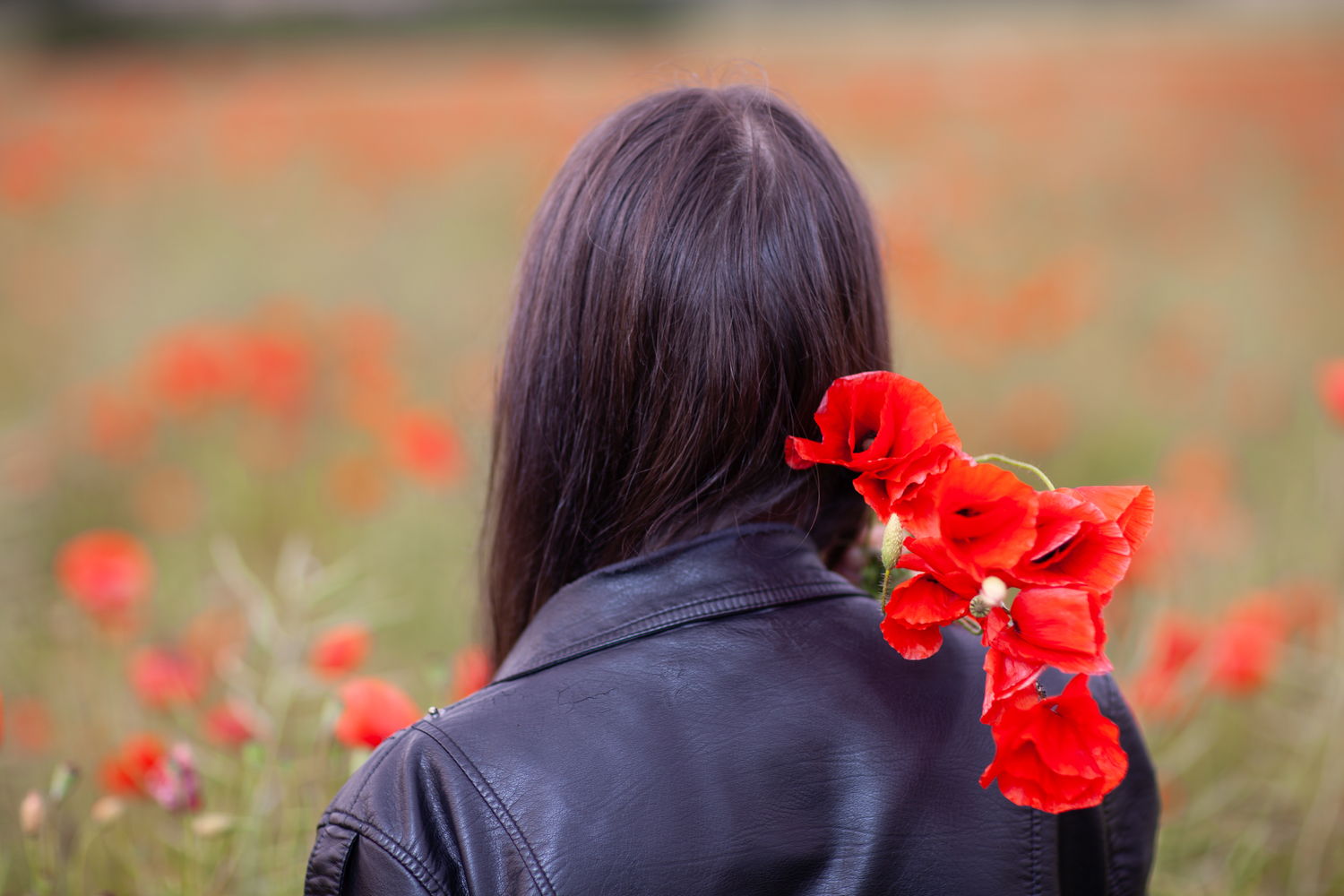
Selective colour, not a filter. The field goes back to green and grey; only the flowers she is holding keep their red, so the eye goes where the picture wants it.

Measured
  • chroma −67%
  • contrast +25%
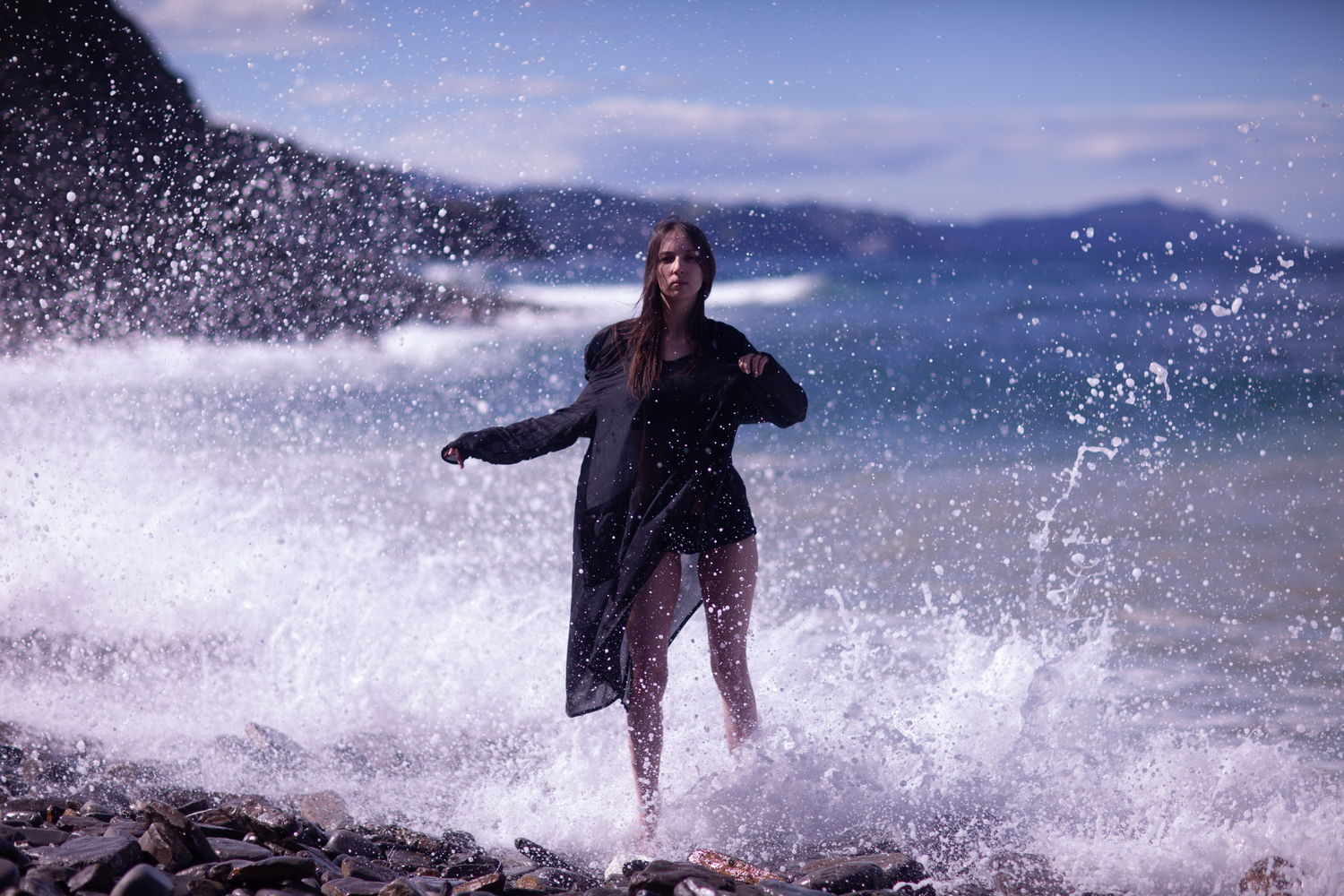
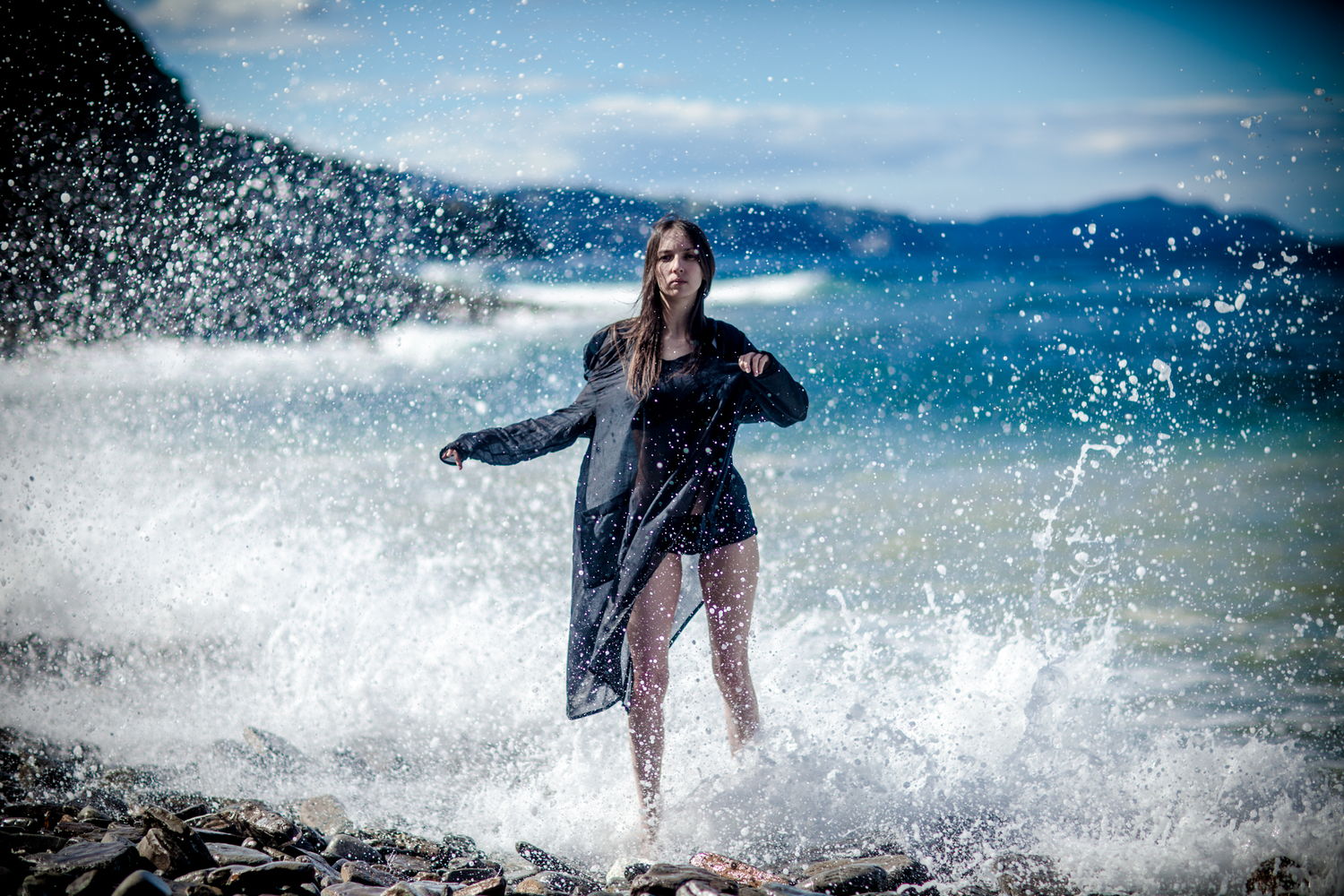
Wave, breaking, before
Wave, breaking, after

Wave, breaking

Spray frozen at the moment it breaks. The cast came off the water and the sky went back to blue; the spray keeps its edges because the contrast was added locally, not across the frame.

Measured
  • a* +7.9 → −3.0
  • chroma −40%
  • contrast +8%

How a job runs

STEP 01

Send three frames

Not the whole shoot - three files that represent it. I grade one of them free and send it back. If the look is wrong, it is wrong after one frame instead of after a hundred.

STEP 02

Agree the look, then the set

Once the reference frame is signed off, everything else is matched to it - not by running one preset over the take, but frame by frame until nothing drifts.

STEP 03

Changes, then delivery

Marked up per frame or across the set: warmer, less contrast in the shadows, crop this one wider. Two rounds included, delivered in the format and colour space you publish in.

The part worth paying for is the hundredth frame

Anyone can make one picture look good. The work is making a hundred look like they came from the same afternoon, and doing it on a deadline.

Fifteen years of never missing one - most recently running CRM operations, where the delivery either goes out on schedule or it does not go out at all. That habit is as much of the offer as the grading is.

Have a series to finish?

Get in touch

Based
Riga, Latvia · UTC+2/+3
Languages
English, Latvian, Russian
Tools
Lightroom Classic, Photoshop
Email
iampranka@gmail.com
Instagram
@pranka.vue
Hire via
Upwork, Fiverr, Freelancer